

While Tashkent, Samarkand, and Bukhara are the cultural stars of Uzbekistan, the country’s true magic extends far beyond its cities. From emerald-blue lakes to rugged mountain climbs and ancient fortresses built by Alexander the Great himself, Uzbekistan’s landscapes are as varied as its history.
Here are a few unmissable destinations to add to your itinerary — perfect for those craving a mix of nature, adventure, and ancient legend.
Lake Charvac
The Blue Gem of the Tien Shan Mountains. Nestled in the foothills, about 80 km northeast of Tashkent, lies Lake Charvac — a man-made reservoir so strikingly blue it’s hard to believe it’s real.
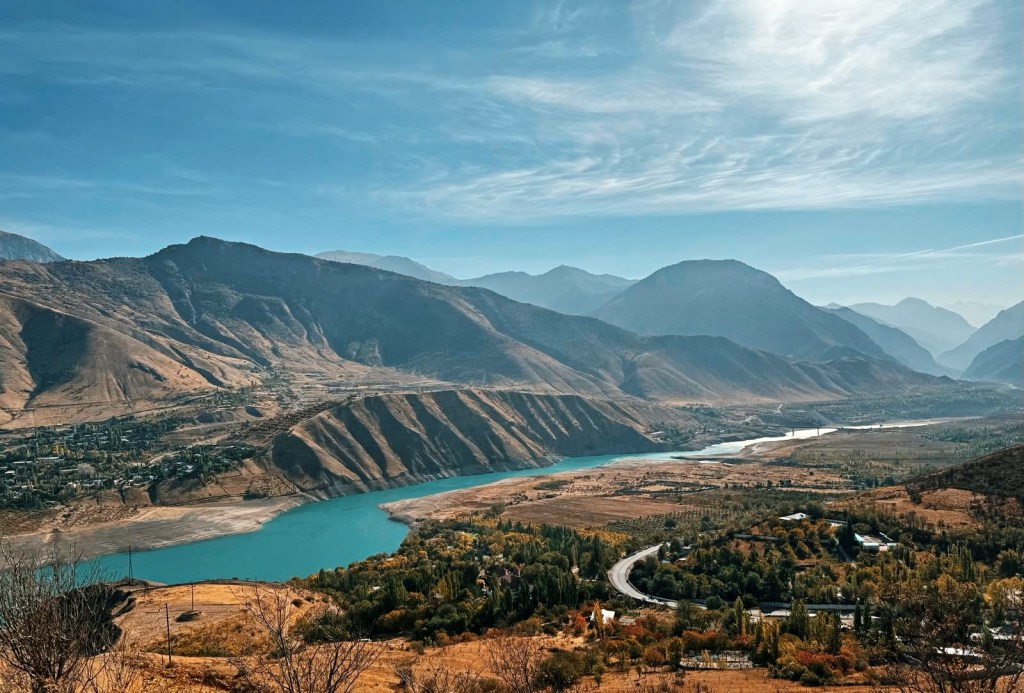
The name Charvac means “Big Garden”, and it’s easy to see why: surrounded by green slopes and mountain peaks, it’s a place of natural abundance and tranquility.
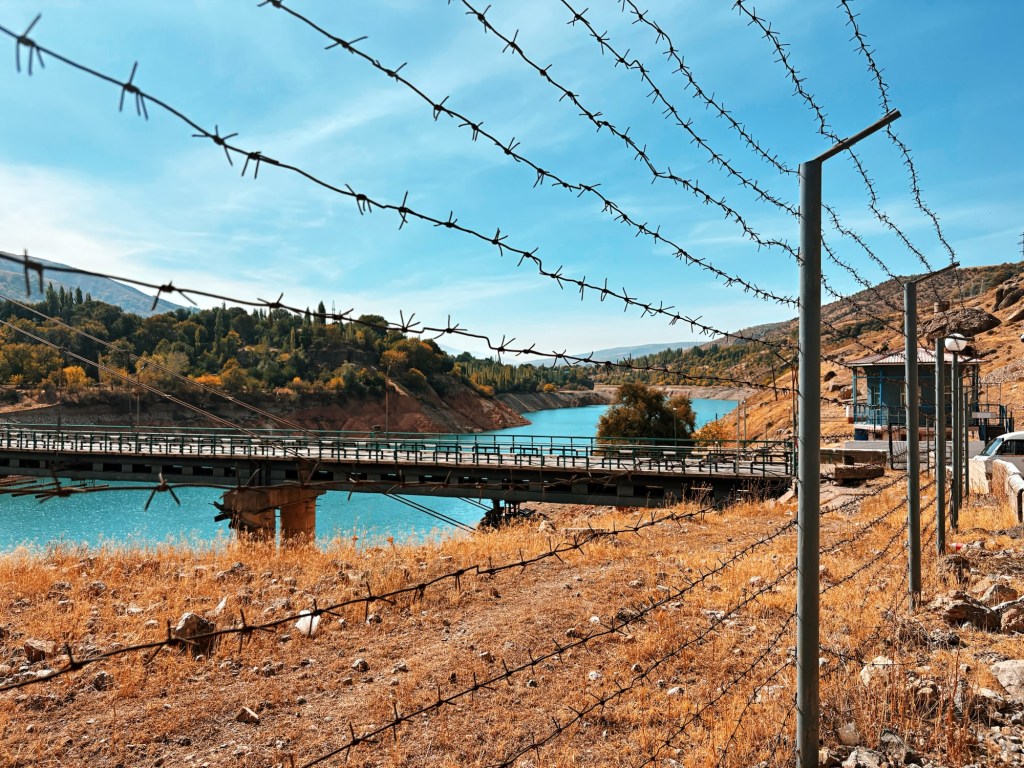
The lake was created in 1976, when the Charvac Dam was built on the Chirchiq River. Today, it serves as the main water source for the Tashkent region, while also providing a peaceful retreat for city dwellers and travelers.
The colors of the water are surreal — shimmering turquoise, sapphire, and jade all at once — and constantly changing with the light. The surrounding mountains offer challenging climbs and panoramic viewpoints, while the lake itself is perfect for swimming, kayaking, or simply relaxing on the shore.

In summer, the area buzzes with activity — family picnics by the water, cafes serving grilled shashlik, and guesthouses offering simple, scenic stays. In winter, the mountains turn white, and the air feels crisp and pure — a different kind of beauty altogether.
Zaamin National Park – Uzbekistan’s Mountain Paradise
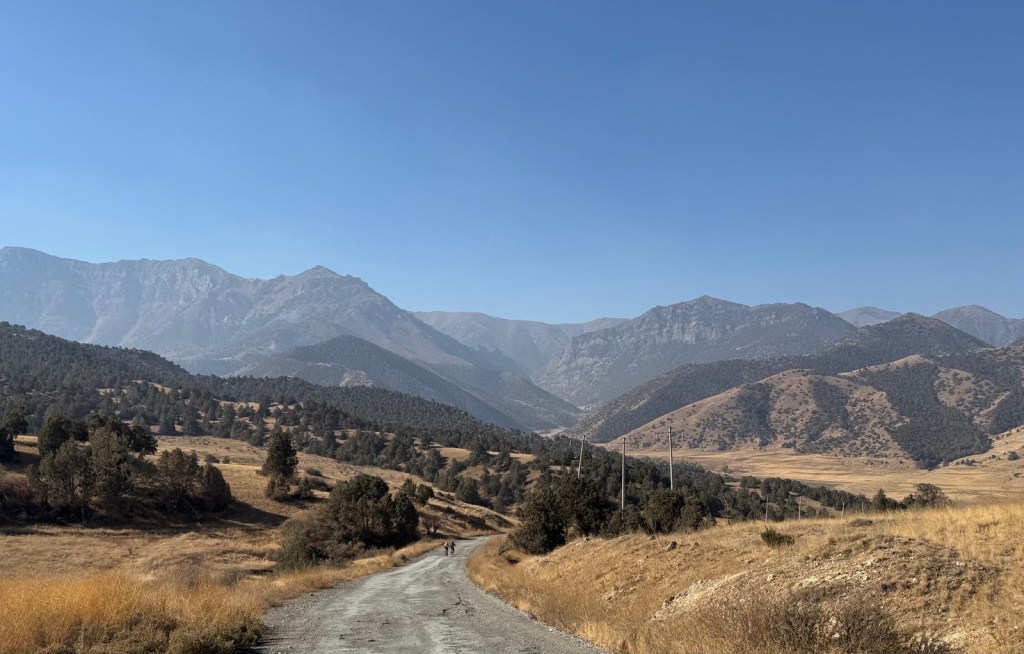
Tucked away in the Jizzakh region, Zaamin National Park is often called the “Switzerland of Uzbekistan” — a high-altitude sanctuary of pine forests, waterfalls, and mountain meadows.
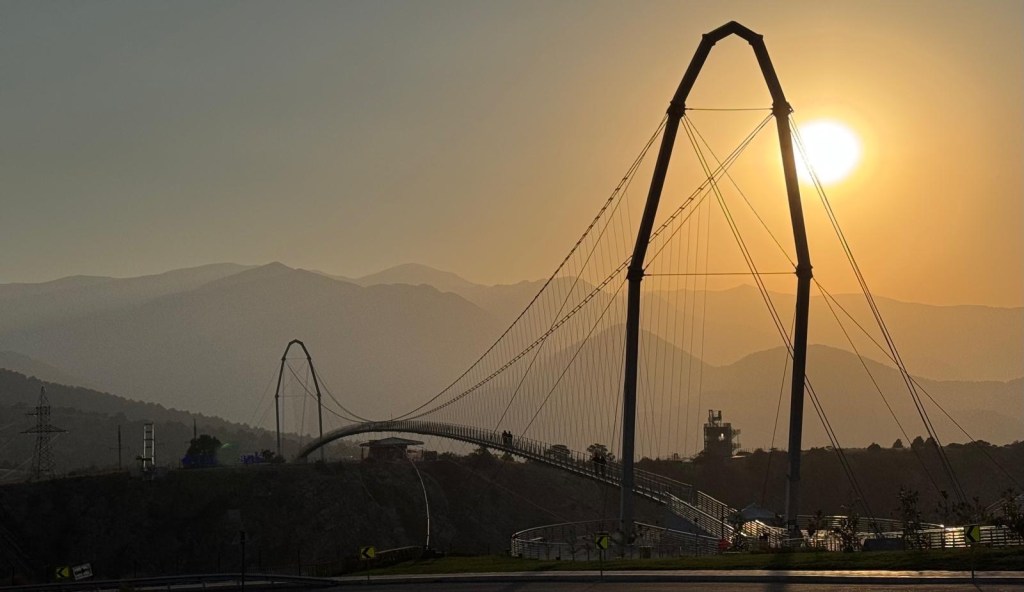
A cable car takes you up to the top, incidentally Swiss built and very efficient offering stunning views. From here you can walk the suspension bridge suspended some 150m also offering fantastic views and the chance to meet the locals who will no doubt want a photo with you! Not for the faint hearted there’s the glass section of the bridge providing views straight down!
Despite its natural beauty, Zaamin remains off the typical tourist path, offering a rare sense of solitude and authenticity. Whether you come for a short hike or a few nights in a mountain guesthouse, it’s a place that reminds you just how wild and varied Uzbekistan truly is.
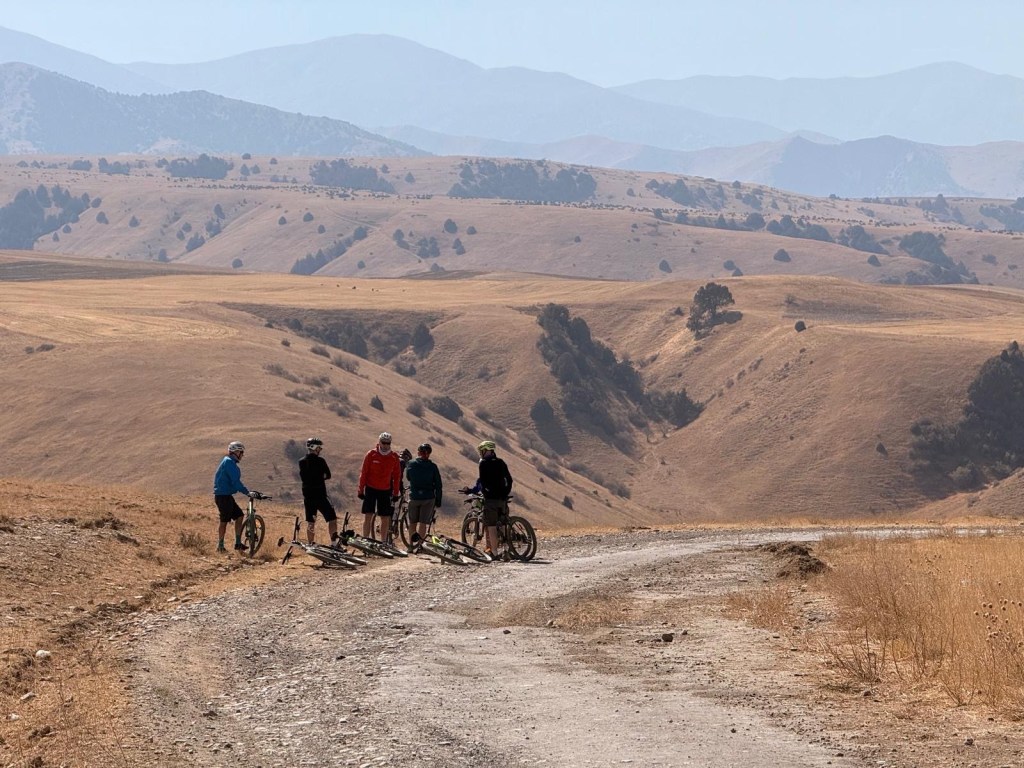
Ancient Petroglyphs
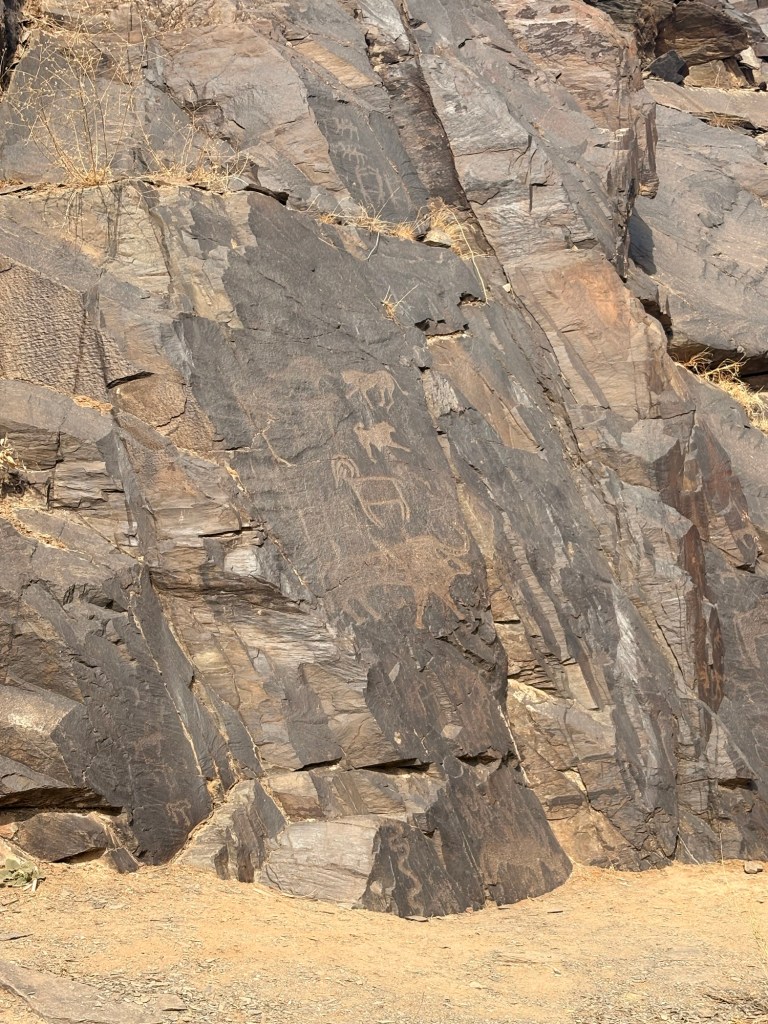
About a three-hour drive from Samarkand, you can discover one of Uzbekistan’s lesser-known treasures — a site of over 3,000 petroglyphs, etched into stone surfaces some 7,000–9,000 years ago. These prehistoric carvings offer a haunting connection to the earliest humans who called this region home.
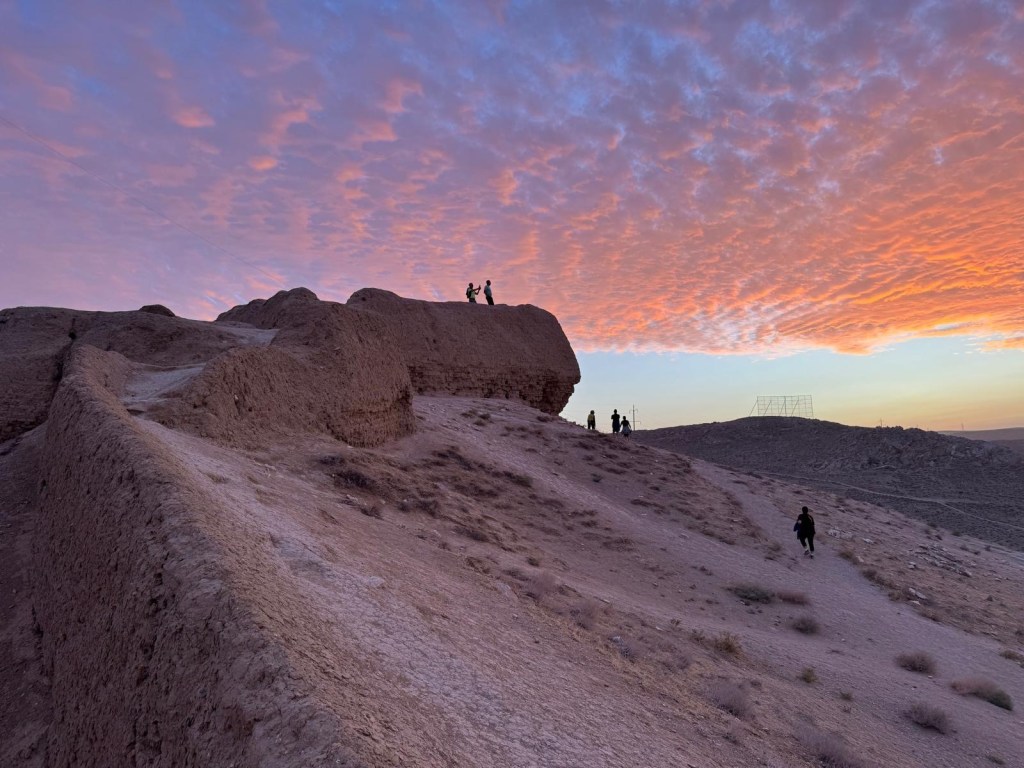
Nurata and the Fortress of Alexander the Great
Heading southwest from Samarkand, the landscape shifts from lush valleys to dry, golden hills. Here lies Nurata, a small, ancient town with deep historical and cultural significance.
Founded around the 4th century BC by Alexander the Great, Nurata’s fortress ruins still stand today — crumbling yet unmistakably majestic. Believed to be one of the oldest monuments in Uzbekistan, this ancient stronghold was built as part of Alexander’s military campaign through Central Asia, marking his farthest reach into the east before turning toward India.
The Tajik-speaking community of Nurata adds another layer of cultural richness, giving the town a unique linguistic and traditional flavor compared to other Uzbek regions.
Below the fortress, you’ll find sacred springs said to have healing properties and home to holy fish, where pilgrims come to make offerings. The entire area feels steeped in legend — a blend of history, faith, and myth that still shapes local life.
Lake Aydarkul
Not far from Nurata lies Lake Aydarkul, one of Uzbekistans most breathtaking natural sites. A vast, shimmering desert lake that stretches over 180 km in length and between 60–80 km in width, reaching almost to the border with Kazakhstan. The lake was created accidentally during Soviet-era engineering projects, but today it’s a haven for wildlife — especially migratory birds — and a peaceful retreat for travelers; its blue waters contrasting beautifully with the golden dunes that surround it.
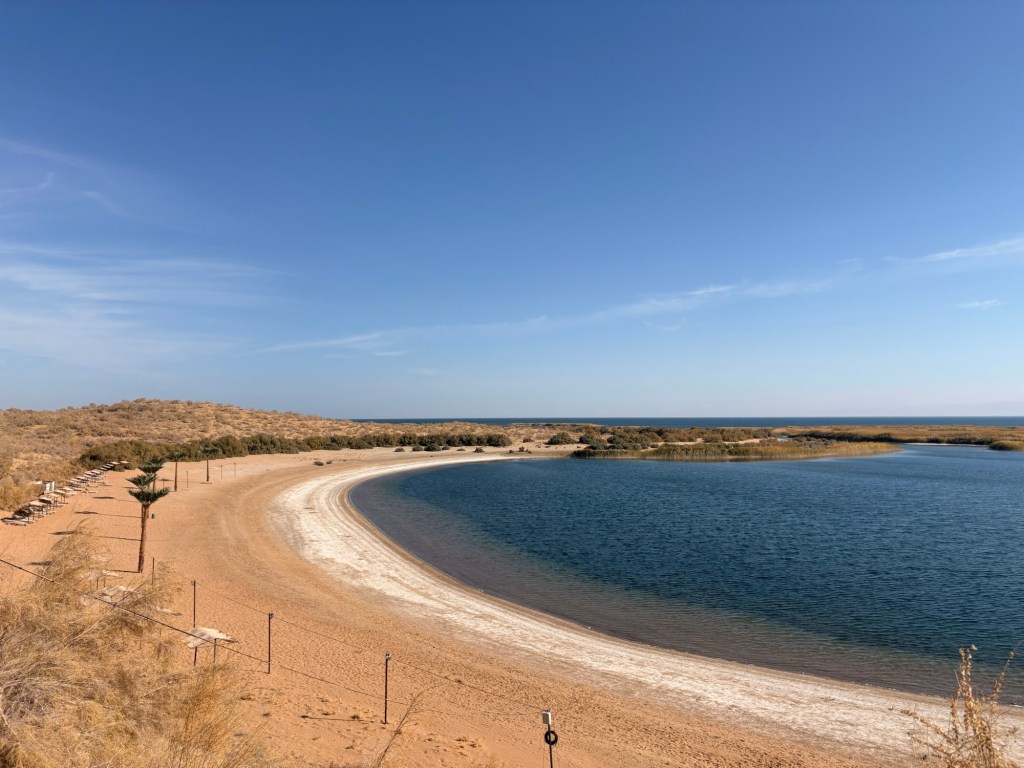
Camping on the shores of Aydarkul offers a chance to experience the silence of the desert, the soft glow of sunset on the water, and the endless canopy of stars that makes this part of Uzbekistan so unforgettable.
This protected reserve, one of the oldest in the country, is a paradise for hikers and nature lovers. The air here is incredibly clean — the park is even known for its sanatoriums, where visitors come to breathe the pure mountain air for its reputed health benefits.
The trails lead through juniper-covered slopes and past crystal-clear rivers, with views of snow-capped peaks that rival anywhere in Central Asia. Spring and summer bring carpets of wildflowers, while autumn paints the mountains in gold and red.
Wildlife enthusiasts may even spot ibex, golden eagles, or lynx in the more remote areas of the park.
The most unforgettable way to experience Aydarkul is by spending a night at a yurt camp nearby.
Desert Yurt Camp
A short drive from the lake is a yurt camp offering a traditional experience in the dunes with fantastic sunset opportunities.
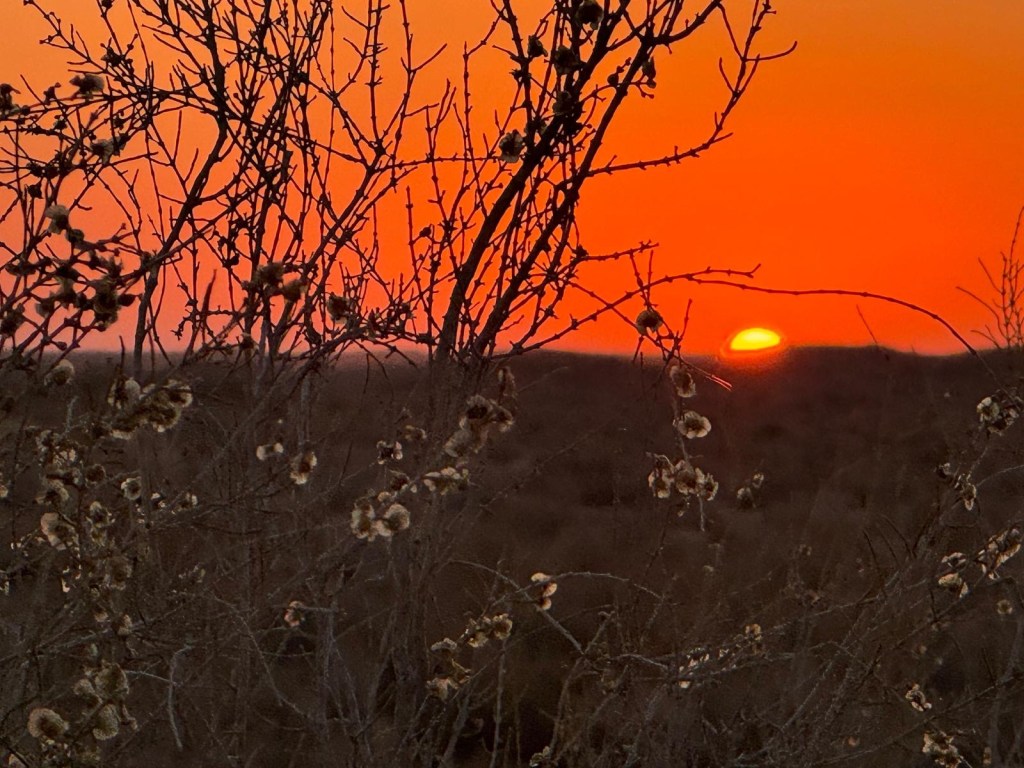
Traditional Kazakh-style yurts, made of felt and wood, offer a simple yet magical place to stay. As evening falls, the desert cools, and the stars begin to fill the sky — a glittering canopy stretching endlessly above.
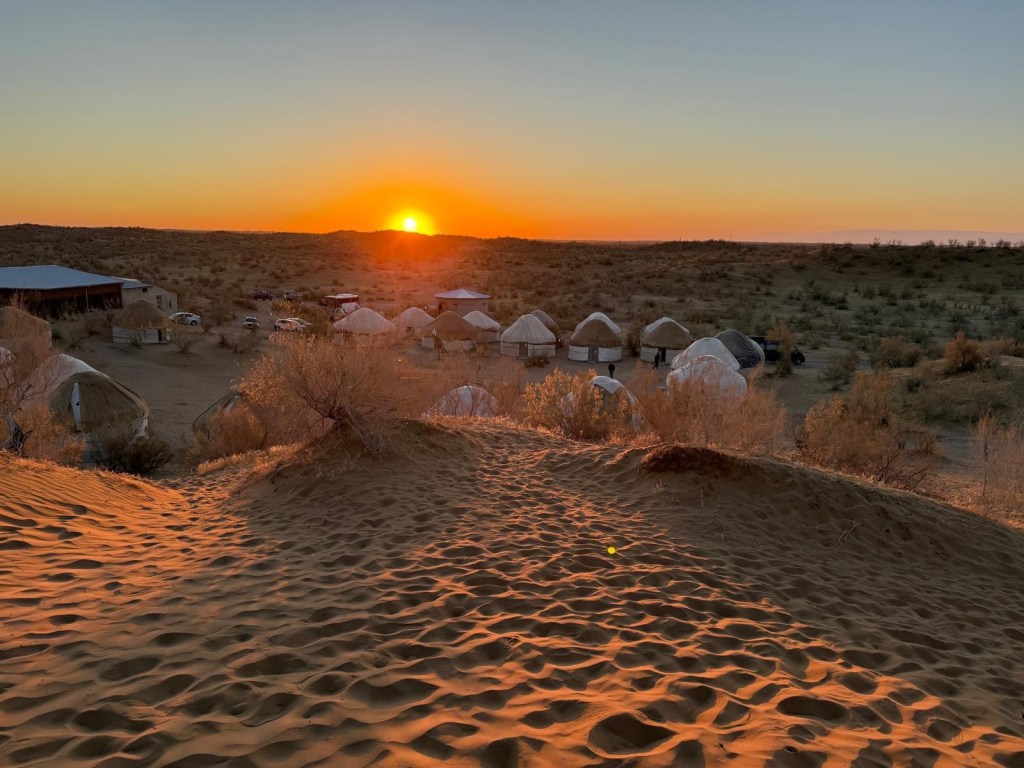
Dinner is often cooked over an open fire — plov, grilled meat, or fresh fish from the lake — accompanied by tea, music, and stories shared by local hosts. Some camps even offer camel rides across the dunes at sunrise, when the sand glows pink and gold.
There are few places in the world where you can feel such peaceful isolation, surrounded only by the whisper of the wind and the distant call of birds. It’s an experience that connects you not just to nature, but to the nomadic traditions that have shaped this land for centuries.
The biggest adventure you can take is to live the life of your dreams
A Country of contrasts and connections
From the turquoise waters of Charvac to the ancient stones of Nurata, the sweeping Aydarkul Lake, and the alpine beauty of Zaamin, Uzbekistan offers far more than its famous cities.
Each place reveals a different side of the country — its landscapes, legends, and layers of history. Together, they form a journey that connects the human spirit with nature and time itself.
So while the Silk Road cities may draw you in, venture further. Uzbekistan’s heart doesn’t just beat in its mosques and squares — it pulses in its mountains, lakes, and the timeless quiet of its deserts.
It was an epic journey, visit my travel blog for more posts on Uzbekistan and other interesting trips!
Next stop Bukhara!
And Instagram for more photos! https://www.instagram.com/mysolofootprints/
Links to other Uzbekistan posts below:
Tashkent: https://wanderlustwithktravel.wordpress.com/wp-admin/post.php?post=3667&action=edit
Samarkand: https://wanderlustwithktravel.wordpress.com/wp-admin/post.php?post=3673&action=edit
Bukhara: https://wanderlustwithktravel.wordpress.com/wp-admin/post.php?post=3684&action=edit
 My Solo Footprints