
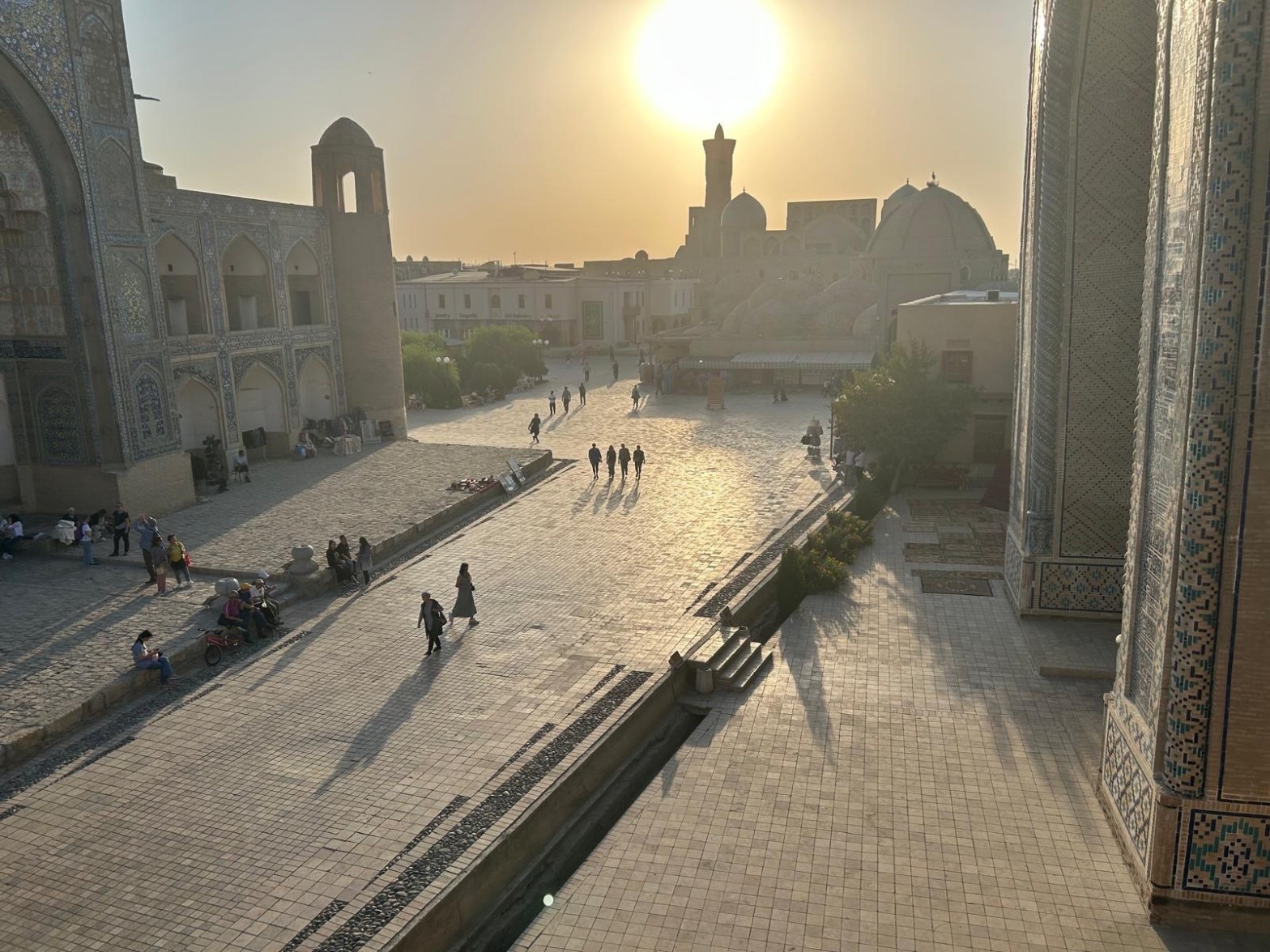
If Samarkand is the dazzling jewel of the Silk Road, then Bukhara is its beating heart — a city where every cobblestone and courtyard whispers centuries of stories. With its sand-colored walls, bustling bazaars, and peaceful courtyards, Bukhara feels like stepping straight into a living museum of Central Asia.
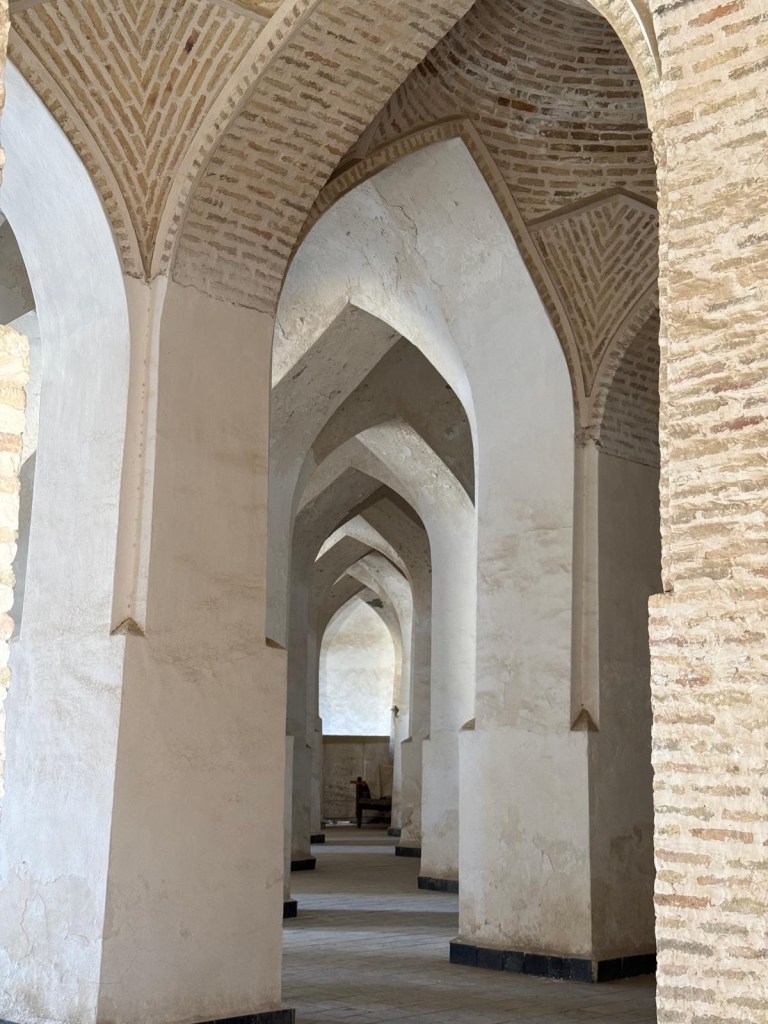
It’s a place that captures the soul of the Silk Road — not with grandeur, but with authenticity.
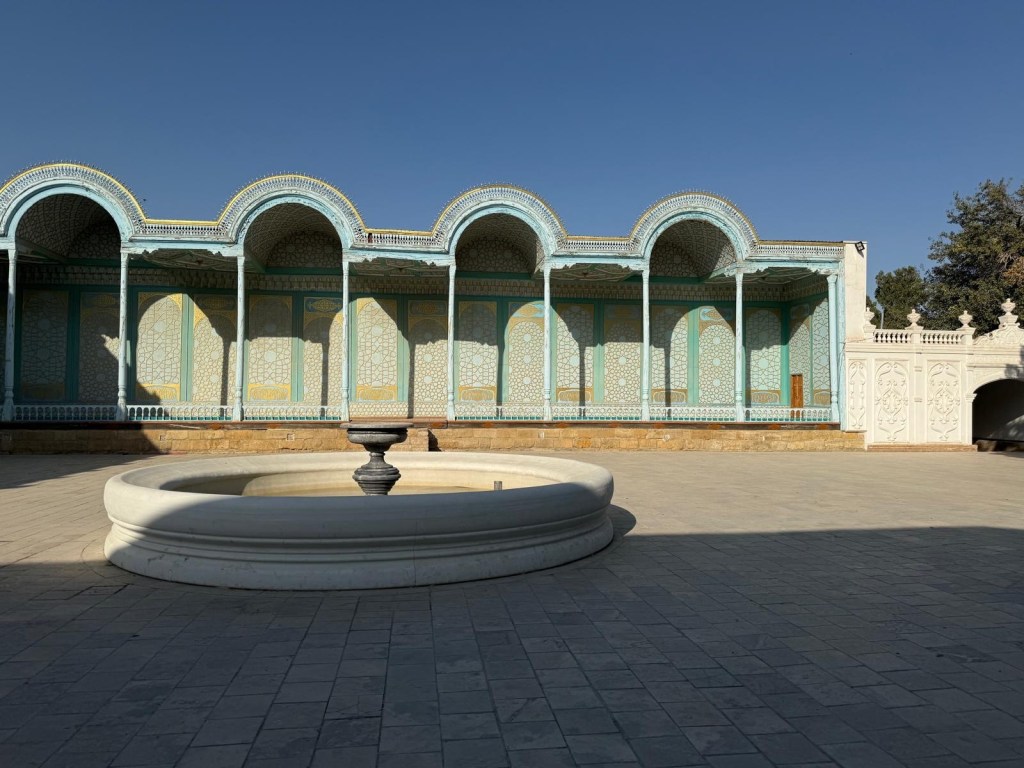
A UNESCO world heritage site and one of the oldest and best preserved Silk Road cities of Central Asia.
An Ancient City Built on Legends
Bukhara’s origins are steeped in myth. Local legend tells of a time when the founders divided the carcass of an animal into four parts and buried each piece in a different corner of the area. They waited to see which piece would take the longest to decay, and when one finally did, they chose that very spot to build the city.
Today, that city still stands — a walled oasis surrounded by desert, its old town beautifully preserved and easily explored on foot. Within its walls, Bukhara feels like a maze of mosques, madrasahs, and markets — yet it’s surprisingly compact. You can spend an entire day simply wandering its narrow streets, discovering hidden courtyards, artisans’ workshops, and cafés tucked behind wooden doors.
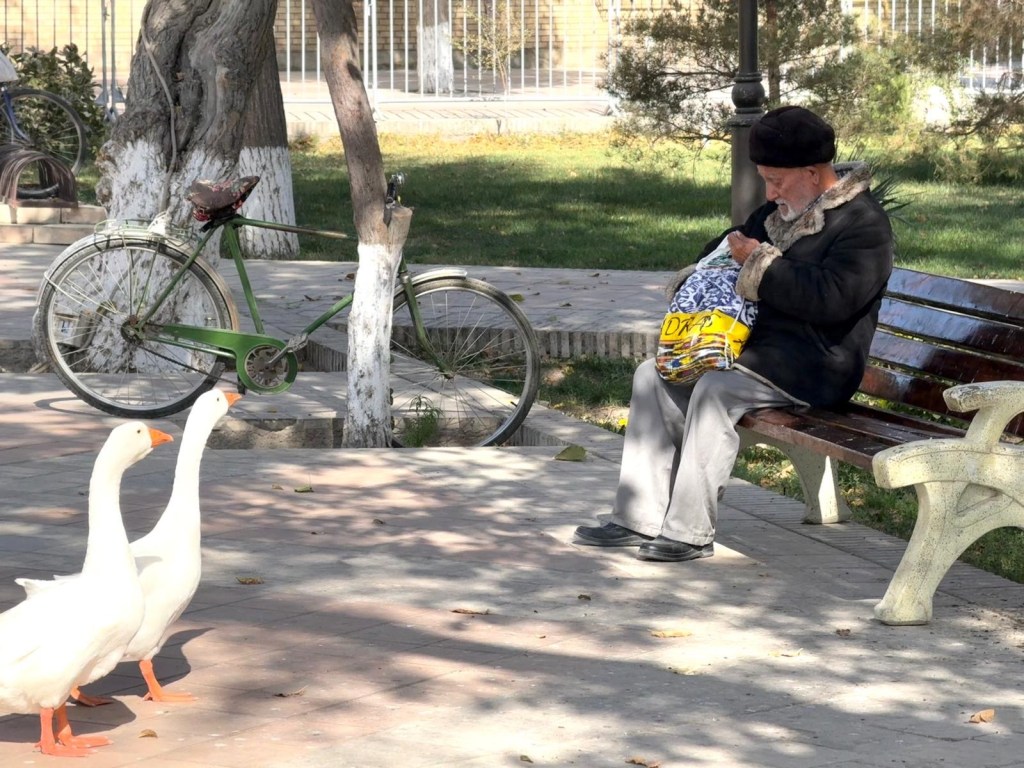
A Living Museum of Faith and Trade
For centuries, Bukhara was a vital stop on the Silk Road, where traders and merchants from across Asia and the Middle East gathered to exchange goods, stories, and ideas. It also became a sacred destination — a place of pilgrimage for Muslims, with shrines and citadels scattered across the old city.
At its heart lies the Ark of Bukhara, the city’s ancient fortress, once home to emirs and scholars. Beyond its gates, you’ll find a network of covered bazaars — domed trading halls that once sold everything from silk and spices to gold and horses.
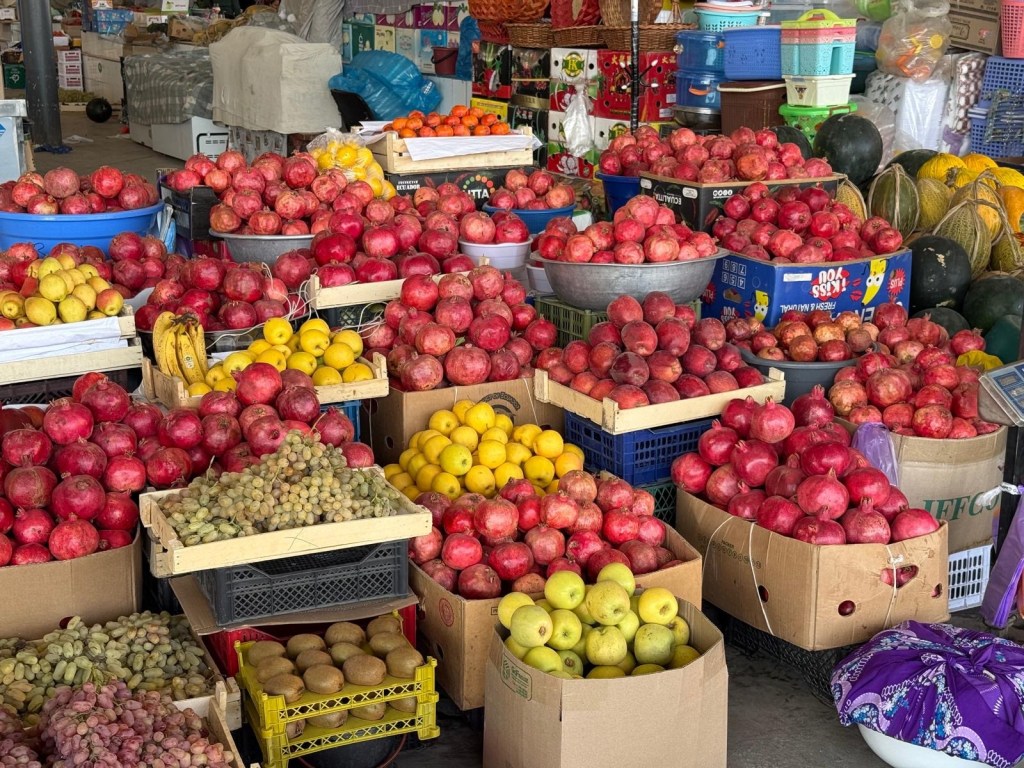
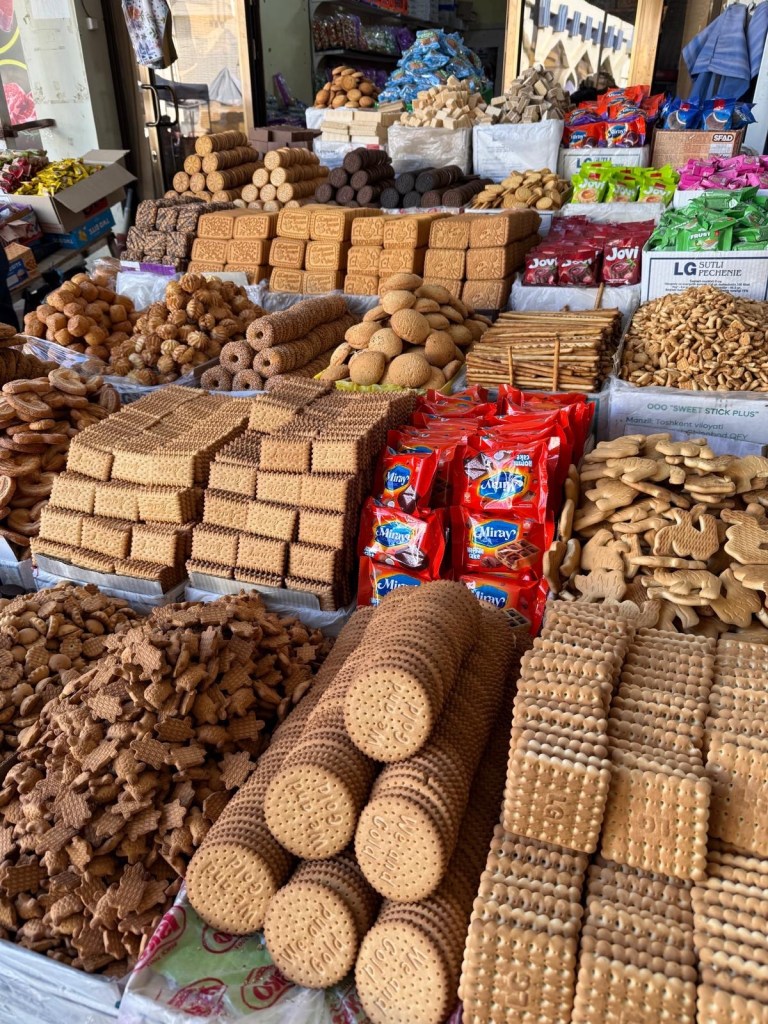
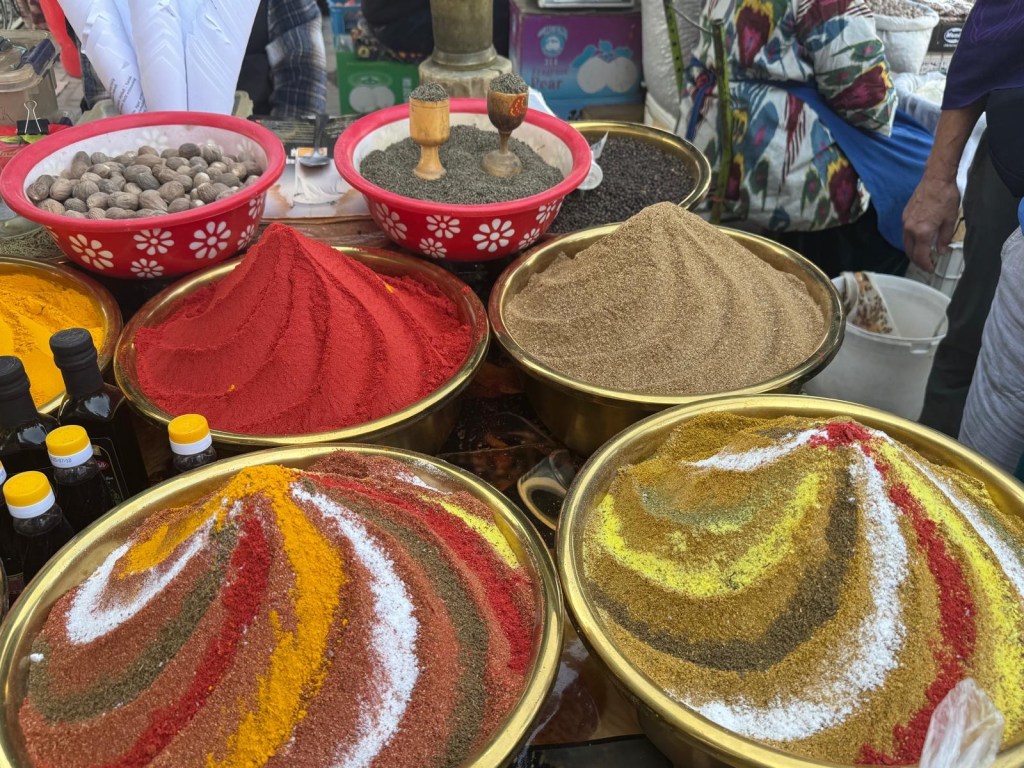
Today, the markets still hum with life. The scent of fresh bread and spices drifts through the air, alongside the sounds of bargaining and laughter. It may be more touristy than in centuries past, but it hasn’t lost its charm.
Exploring the Old Town
One of the best ways to experience Bukhara is simply to walk. The city is wonderfully compact, its highlights clustered within easy reach.
The most beautiful thing in the world, is of course, the world itself
Lyabi-Hauz Square
The heart of the old city, Lyabi-Hauz, is a peaceful square built around a reflective lake shaded by ancient mulberry trees. Locals and travelers alike gather here to sip tea, chat, or simply watch the world go by. It’s particularly beautiful at sunset, when the light softens and the water glows gold.
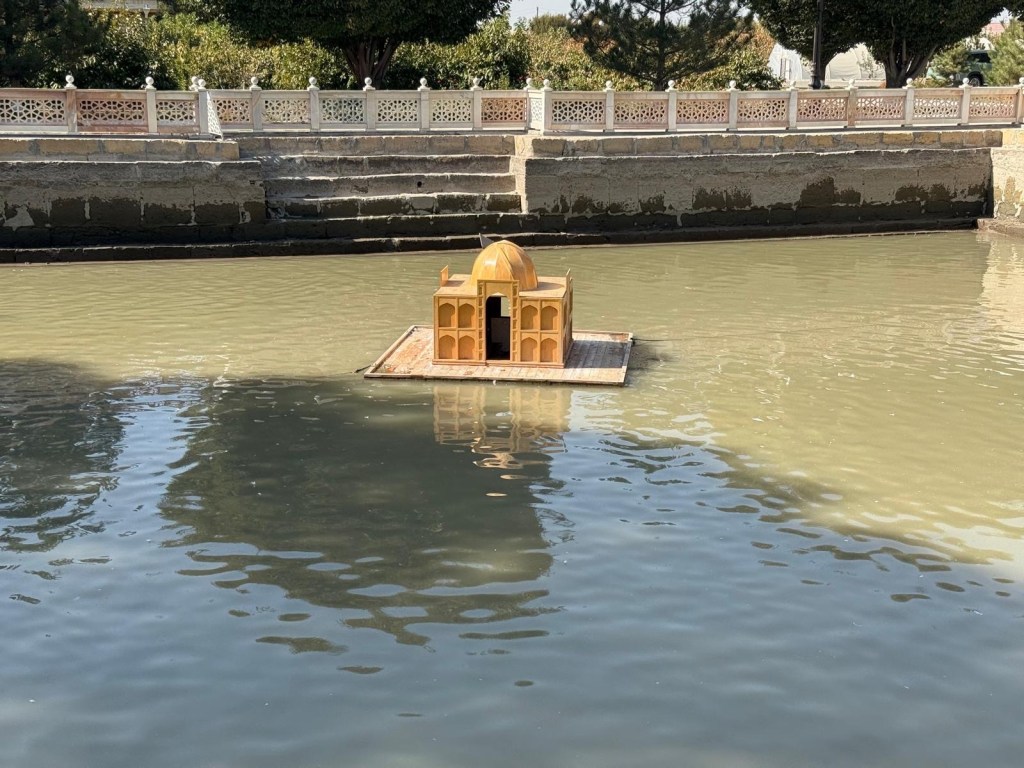
Nearby, a handful of terrace cafés and restaurants serve excellent Uzbek food, perfect for an evening meal or a mid-afternoon coffee.
House Museums and Hidden Treasures
All around the old town, you’ll find house museums tucked inside centuries-old buildings. For a small entry fee, you can step through heavy wooden doors into another era — beautifully decorated interiors with carved ceilings, embroidered textiles, and glimpses into the life of Bukhara’s merchants and artisans.
Each one tells a different story, offering a rare chance to see the city not just as a collection of monuments, but as a home that has been lived in for over a thousand years.
Chor Minor Monument
Chor Minor, tucked away in a quiet neighborhood of Bukhara, is one of the city’s most charming and distinctive monuments. Built in the early 19th century as part of a larger madrasa complex, it features four slender turquoise-domed towers that give it a whimsical, almost fairy-tale appearance. Each tower is said to reflect architectural influences from different parts of the world, symbolizing the diversity of ideas brought along the Silk Road.
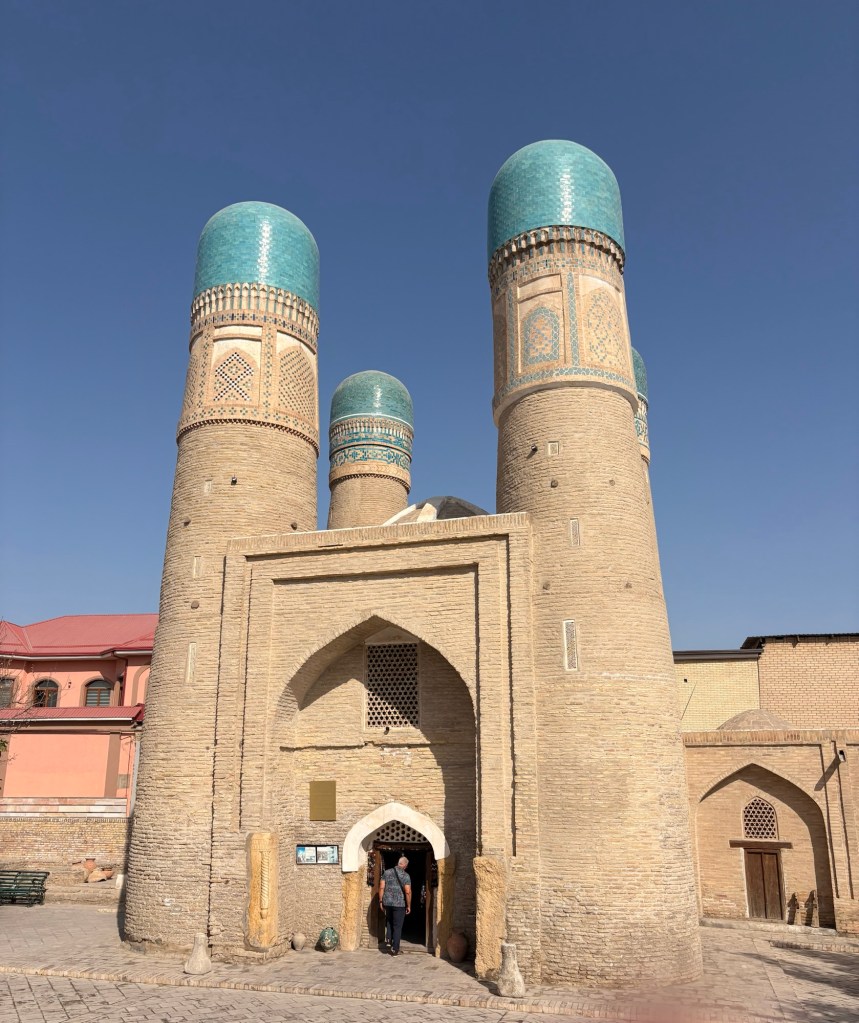
Though modest in scale, Chor Minor exudes a peaceful atmosphere and offers a picturesque glimpse into Bukhara’s rich cultural tapestry.
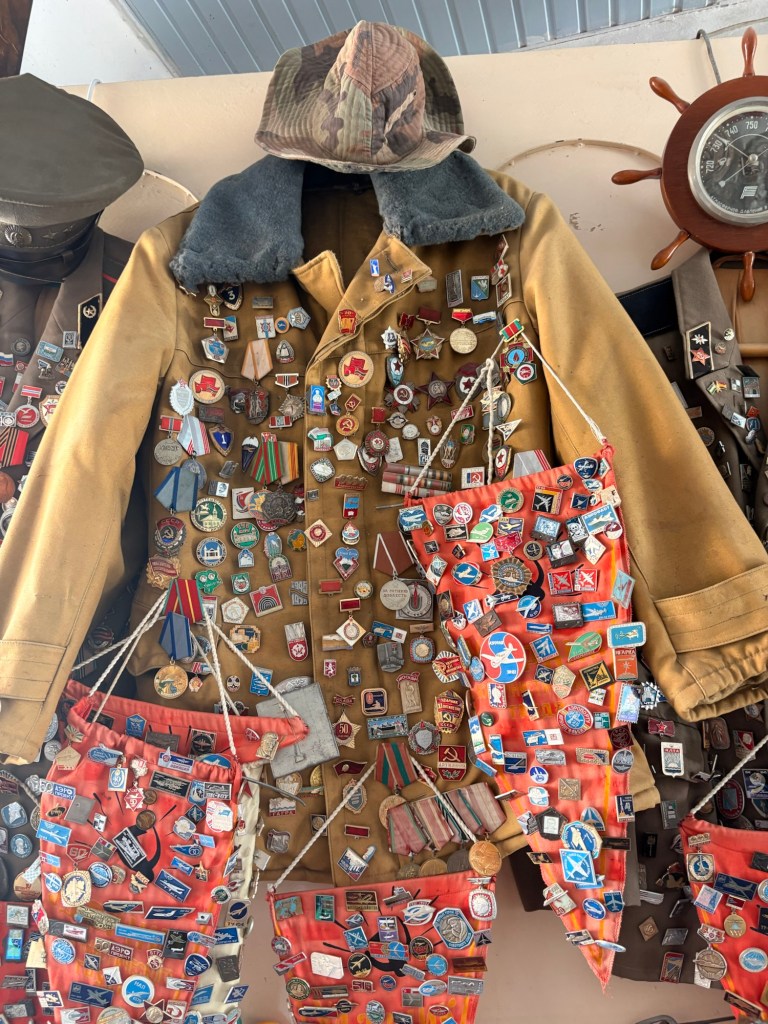
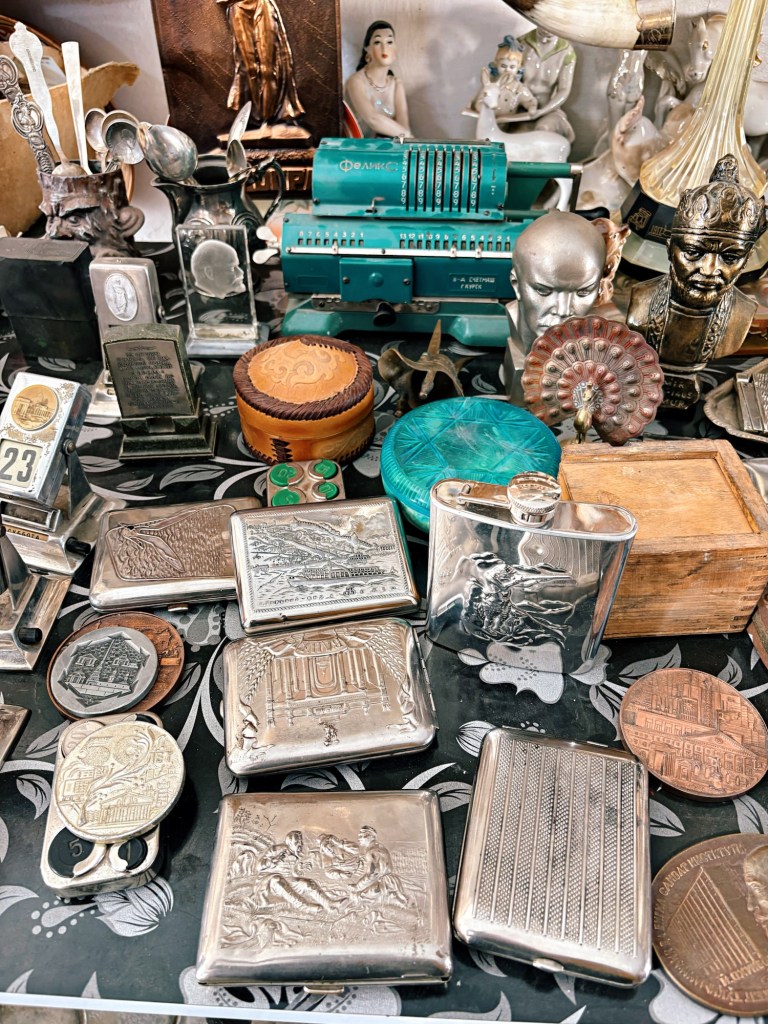
There’s also a great selection of Soviet memorabilia nearby.
Markets, Coffee, and Easy Living
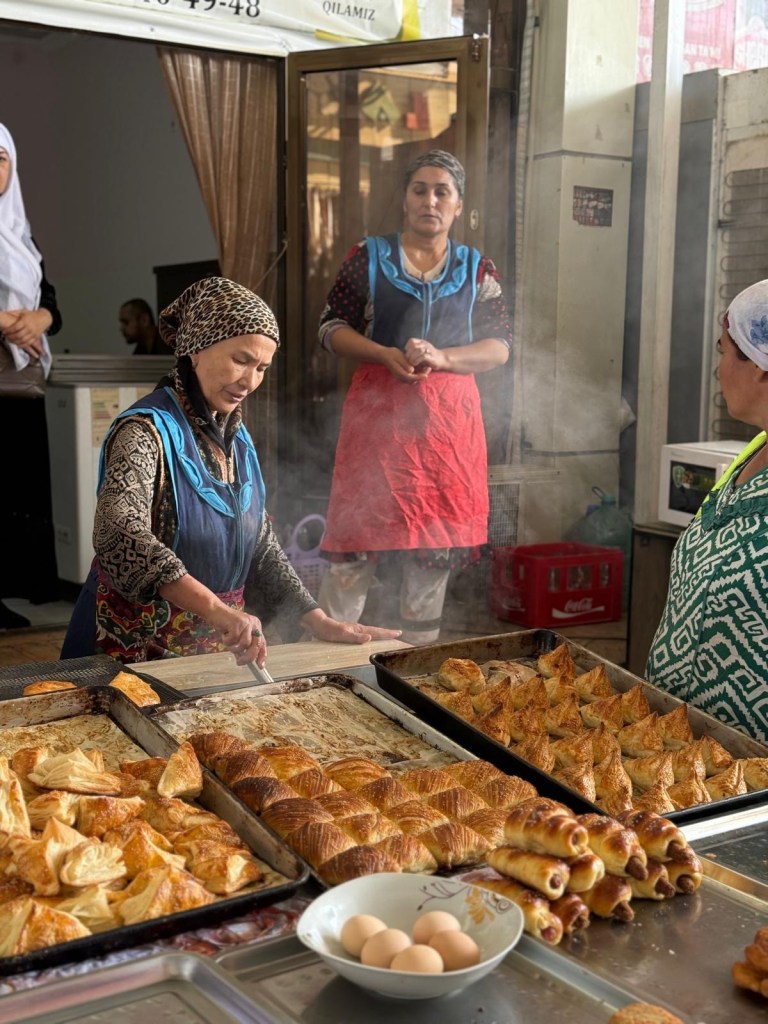
Bukhara’s bazaar scene is irresistible — full of color and craftsmanship. Wander through stalls of handwoven carpets, silk scarves, ceramics, and spices, and don’t be afraid to bargain; the vendors are friendly and enjoy the conversation as much as the sale.
When you need a break, head to one of the city’s coffee spots. There’s a relaxed, bohemian atmosphere here — you might find yourself with a coffee and donut in hand, sitting under the shade of a mulberry tree, watching the afternoon pass slowly by.
For dining, Joy and Bon Bon are great local favorites — Joy for its welcoming atmosphere and tasty Uzbek fare, and Bon Bon for its casual, semi-outdoor setting, perfect for a leisurely lunch. For something more romantic, find a terrace restaurant and enjoy a glass of wine or tea as the sun sets over the domes and minarets.
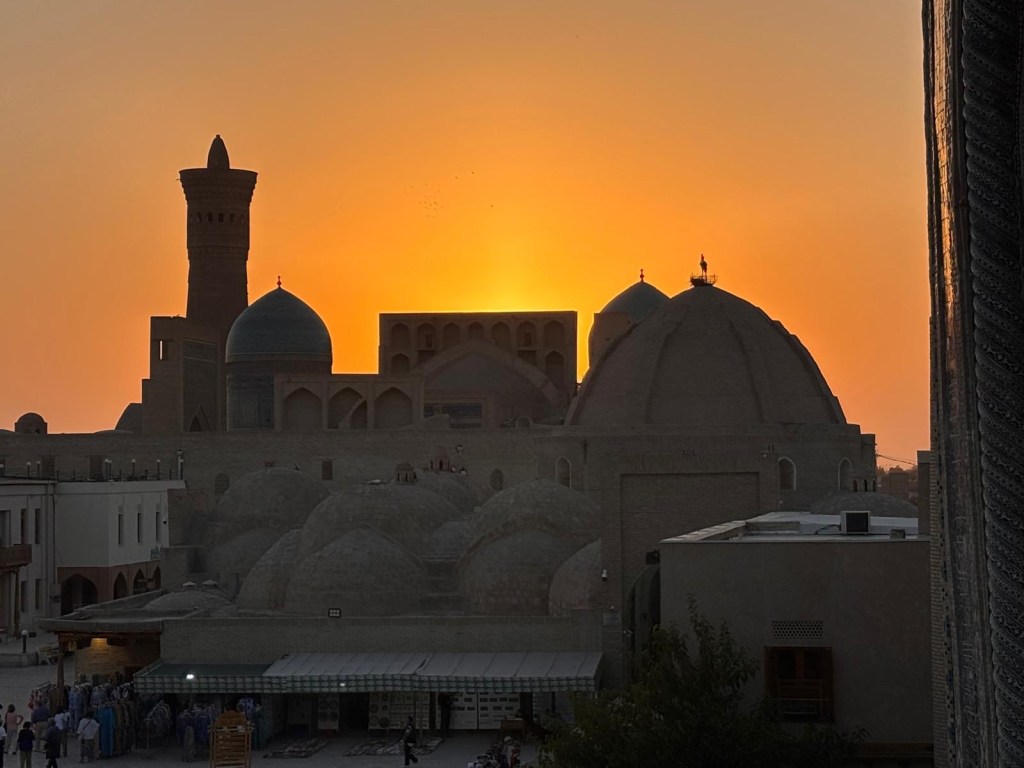
Oriental Tea House offers delicious yet cheap local dishes in a nice chilled environment near the centre.
Beyond the Walls
Just outside the city lies a fascinating open-air museum showcasing Bukhara’s ancient history and culture. It’s a reminder that while the city feels timeless, it’s also evolving — blending preservation with pride.
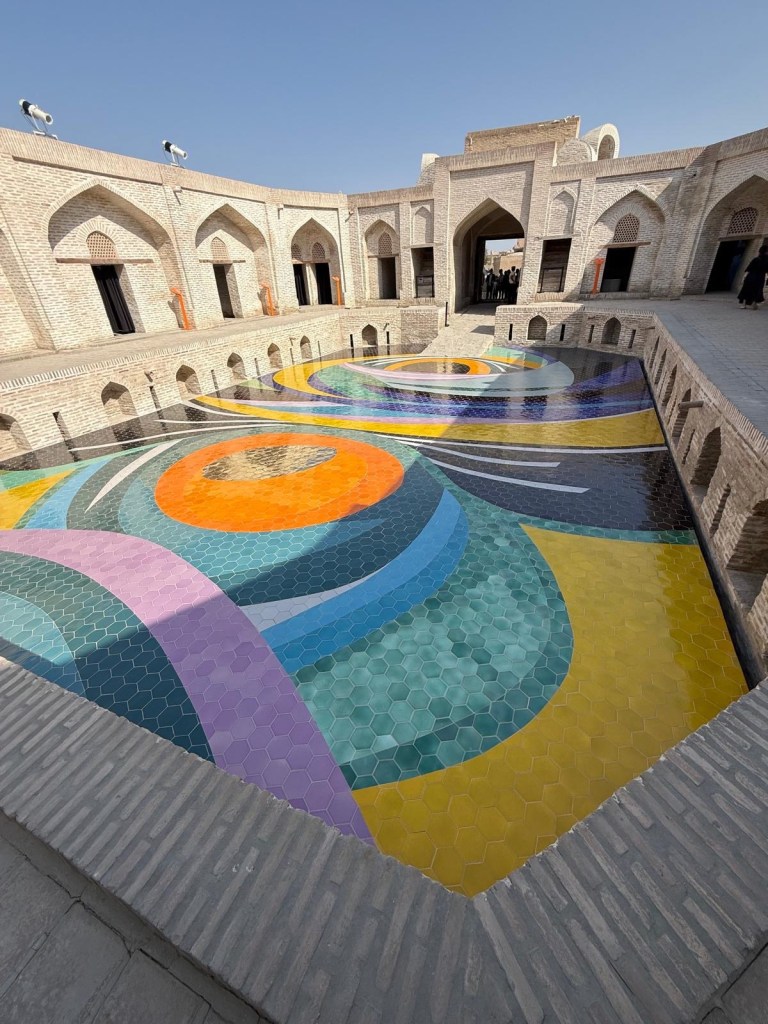
Why Bukhara Captivates
Bukhara doesn’t try to impress you with size or spectacle. Instead, it invites you to slow down, to feel its rhythm, to listen to its stories.
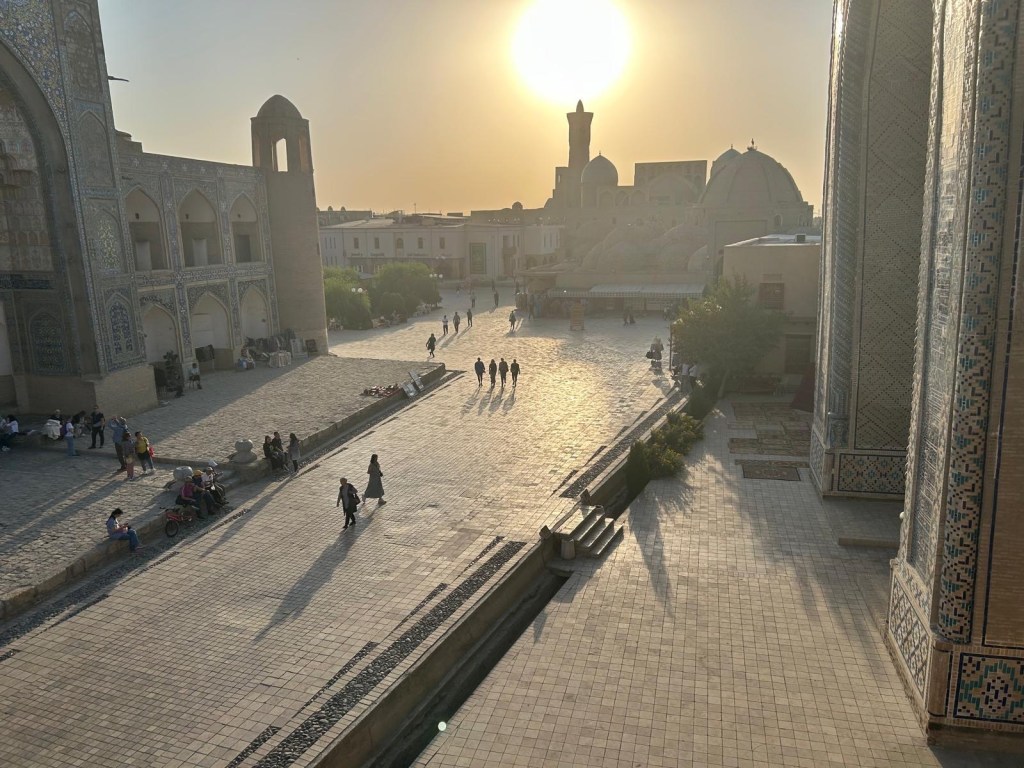
It’s a city where you can walk in the footsteps of traders and scholars, sip tea beside a centuries-old pool, and watch the call to prayer echo across the rooftops.
Quiet yet full of life, Bukhara is more than just a stop on the Silk Road — it’s a place that captures the essence of Uzbekistan: history, hospitality, and heart.
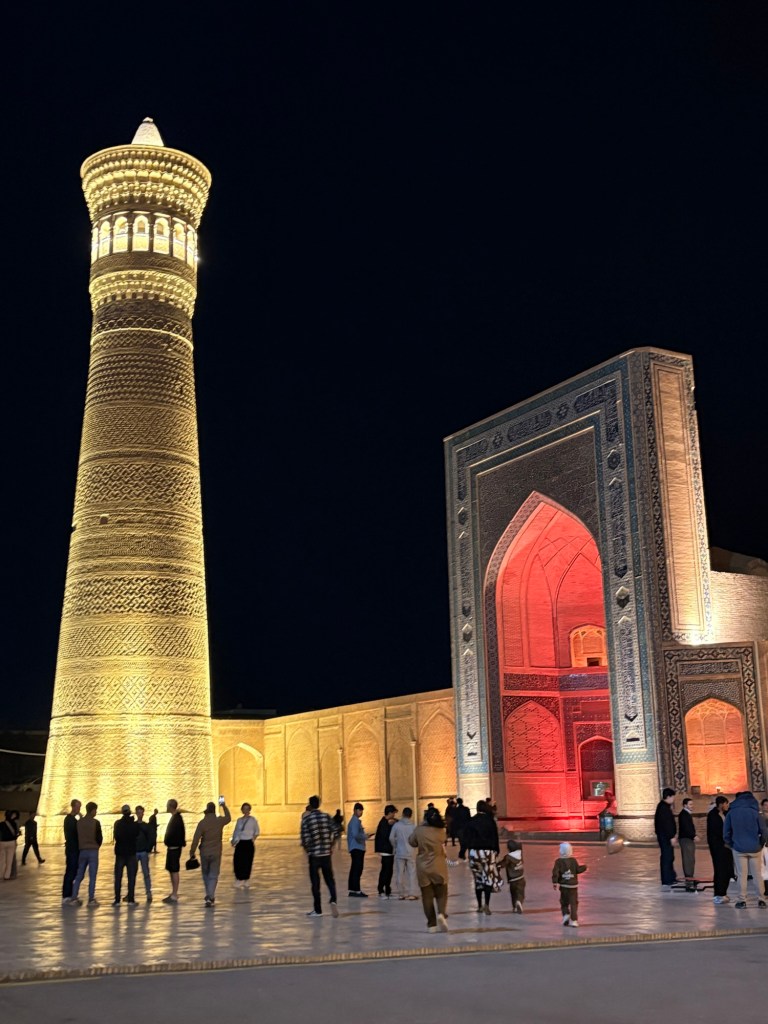
Visit my instagram page for more pictures and other travel photos: https://www.instagram.com/mysolofootprints/
Links to other Uzbekistan posts below –
Tashkent: https://wanderlustwithktravel.wordpress.com/wp-admin/post.php?post=3667&action=edit
Samarkand: https://wanderlustwithktravel.wordpress.com/wp-admin/post.php?post=3673&action=edit
Beyond the cities: https://wanderlustwithktravel.wordpress.com/wp-admin/post.php?post=3703&action=edit
 My Solo Footprints
Bukhara is certainly inspiring, following in the footsteps of Samarkand, making this region of Central Asia a new magnet for travellers. Thank you for sharing your best impressions.
LikeLiked by 1 person
It’s a beautiful part of the world, I loved Samarkand but think I enjoyed Bukhara a little more!
LikeLiked by 1 person