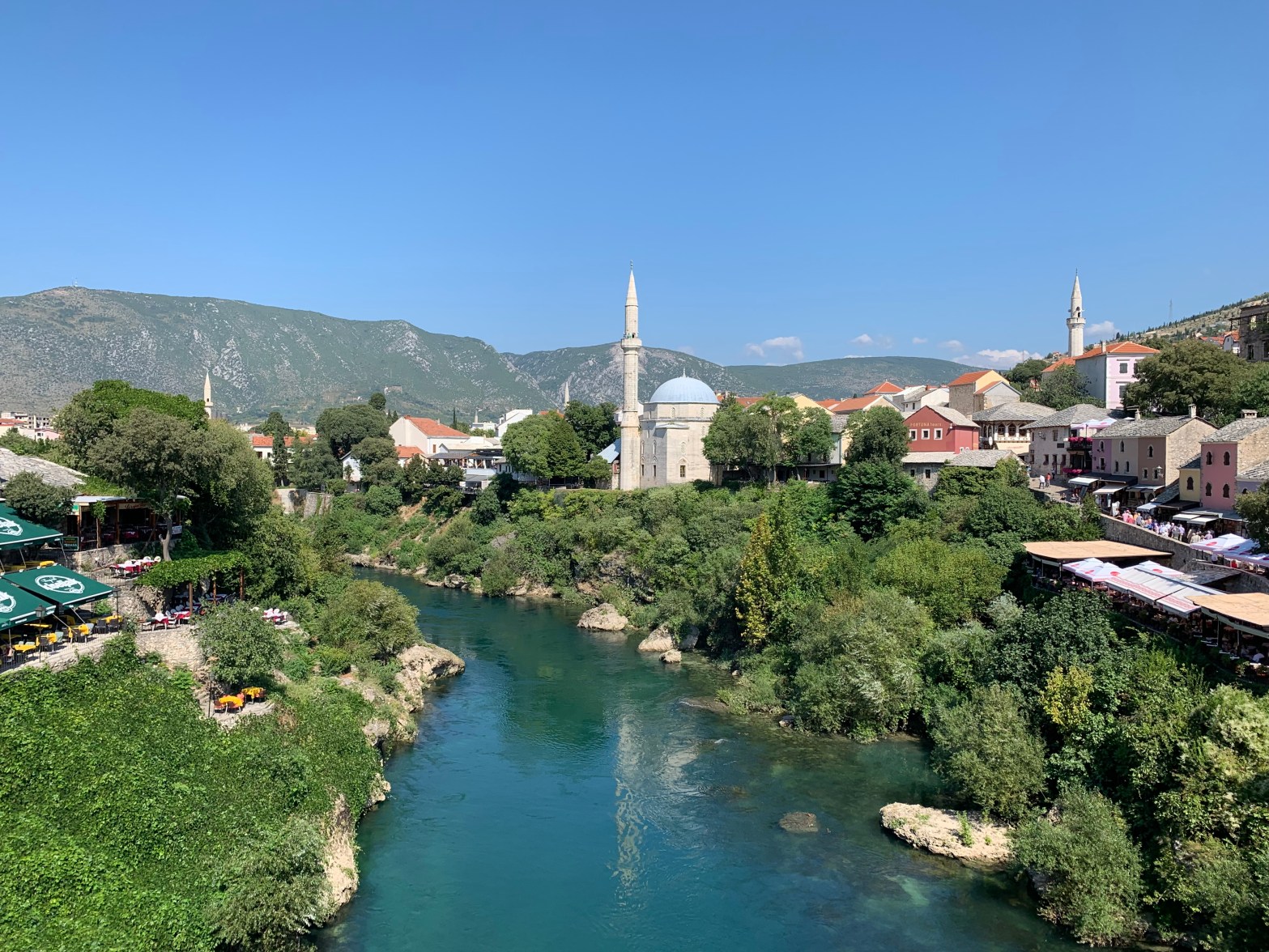
Beautiful Bosnia

Where to begin on this very sad yet beautiful country steeped with so much history. I found my visit very emotional, the below quote seems apt for Bosnia and Herzegovina. I’d definitely recommend a visit to Sarajevo if you get chance. It has a history with much sorrow, yet is a really beautiful and interesting place, and the people are lovely. I really can’t recommend the city highly enough.

Wherever you go becomes a part of you somehow

– Anita Desai
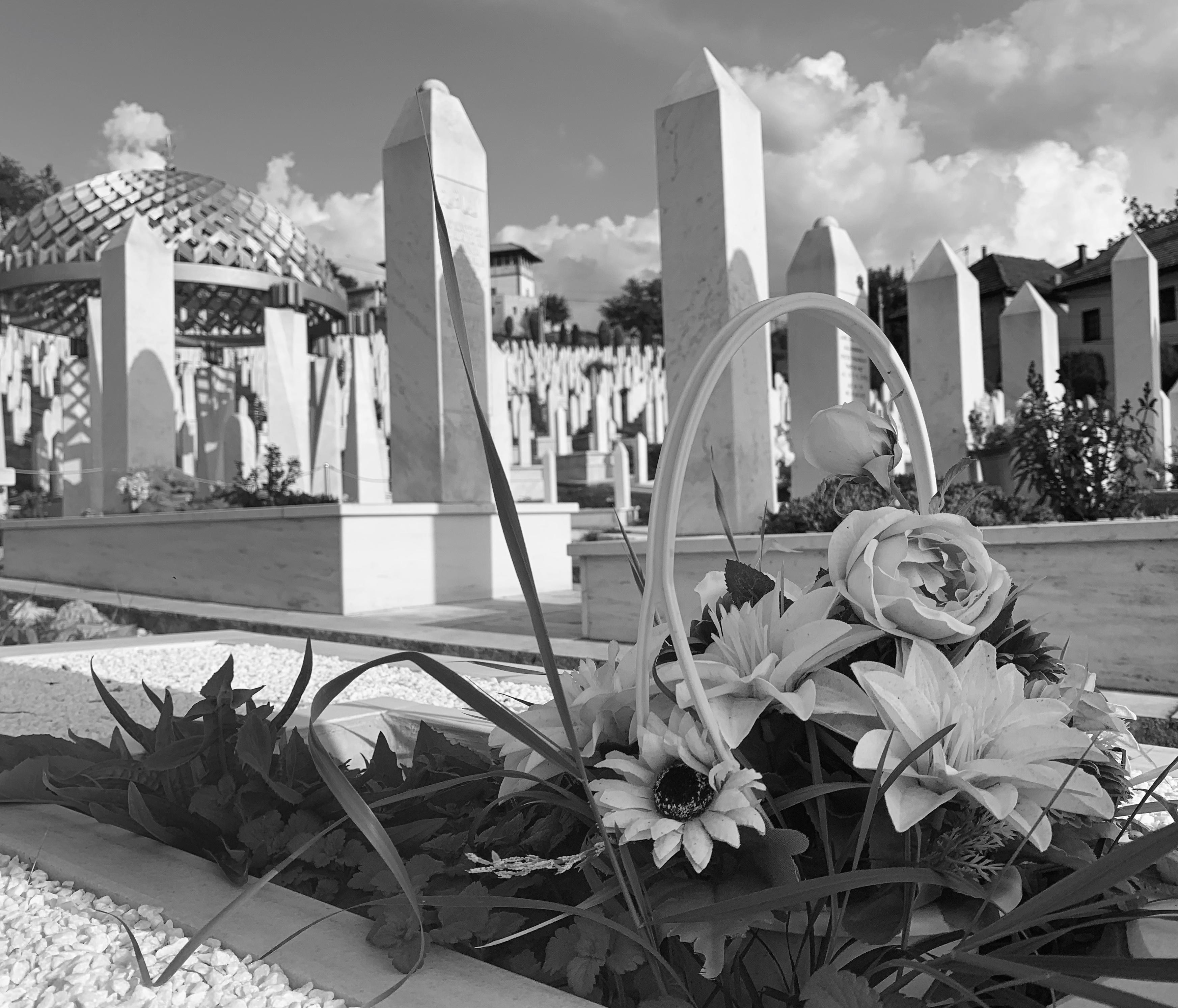
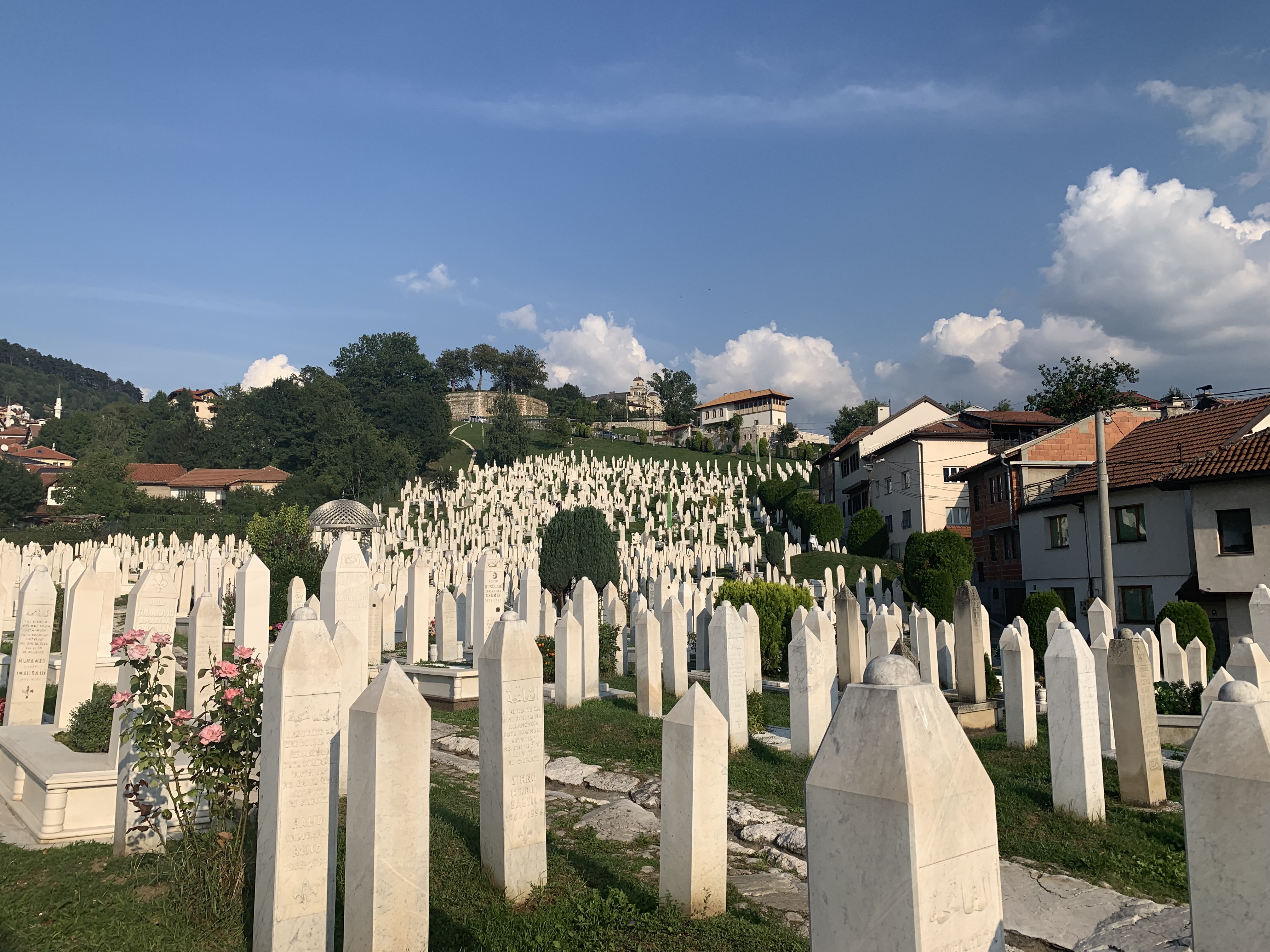
One of the many cemetery’s in Sarajevo

Train Journeys

I got the train down from Zagreb, a bus across the Croatia / Bosnia and Herzegovina border then a train to Sarajevo. About a 9 hour journey in total. Be prepared for a slow journey, and a novel take on air conditioning! The scenery is magnificent with beautiful mountains and views of the river. The first train had a 1 hour delay leaving us very tight to get over the border and get the next train in time. The driver really put his foot down!! Whilst having a chat to the person behind him, with some interesting overtaking manoeuvres! But he got us there with a couple of minutes to spare!
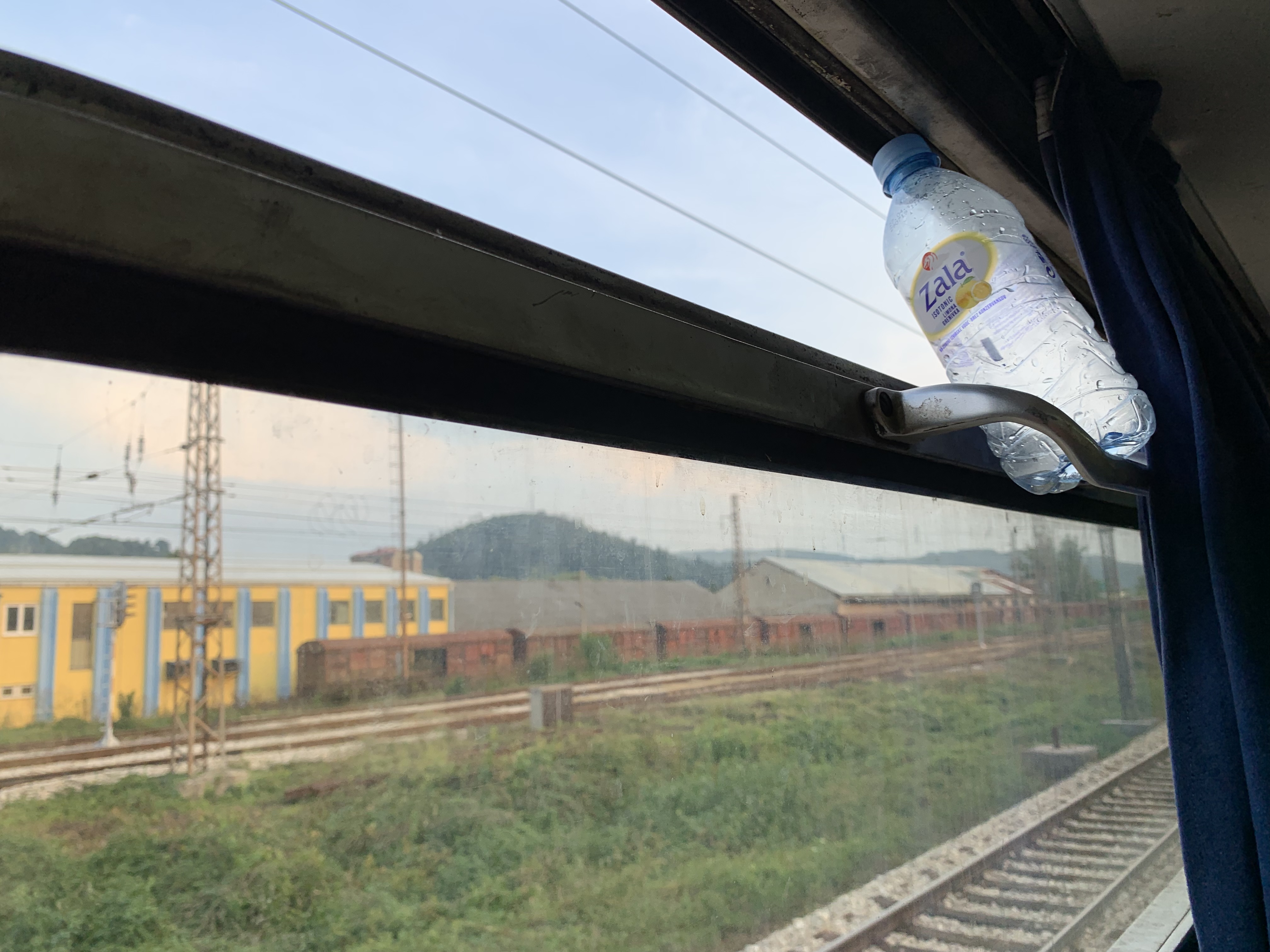
‘Air conditioning’ on the train in Bosnia! The driver came round handing out empty plastic bottles to keep the windows open!

As with almost all trains in The Balkans I recommend taking tissues or toilet roll, hand sanitizer, water, snacks and some wine or beer! Wine bottles are often a cork not a screw top so worth carrying a bottle opener too!
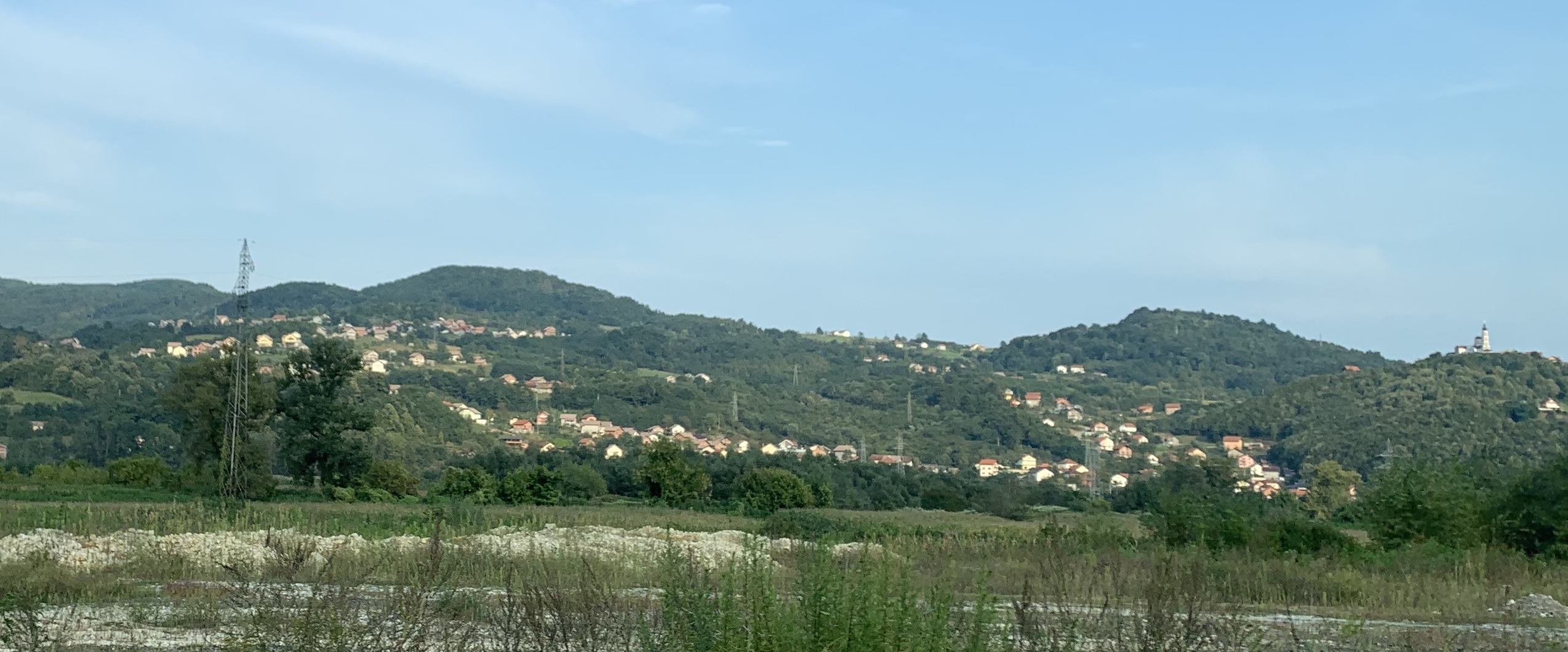
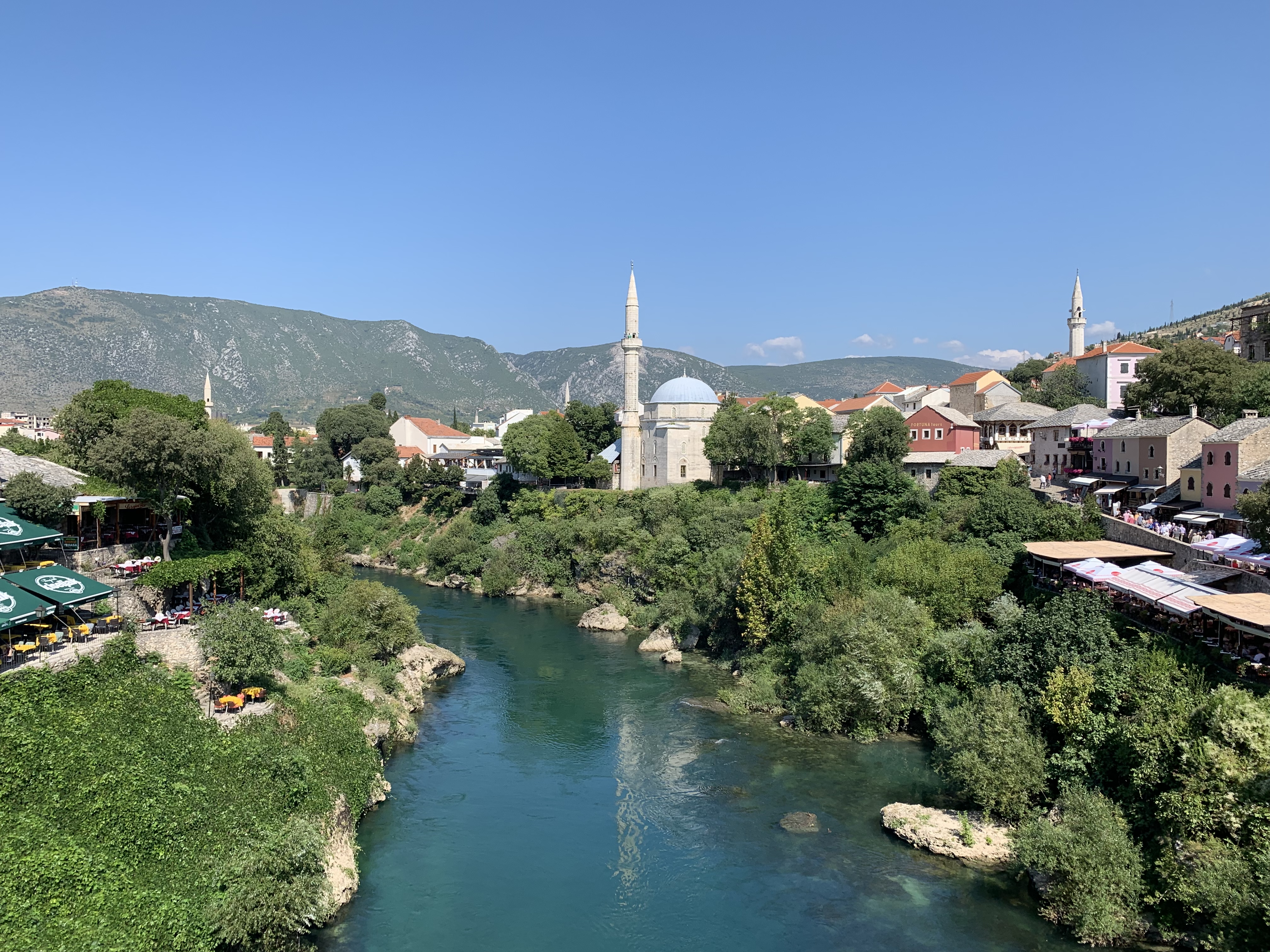
Scenic views from the train – my photos really can’t do the beautiful scenery justice.

The local people

I found the people to be open, friendly and chatty, with a good sense of humour. They are pushing to move forward and forget the past, though the scars are clearly still there just beneath the surface.

History

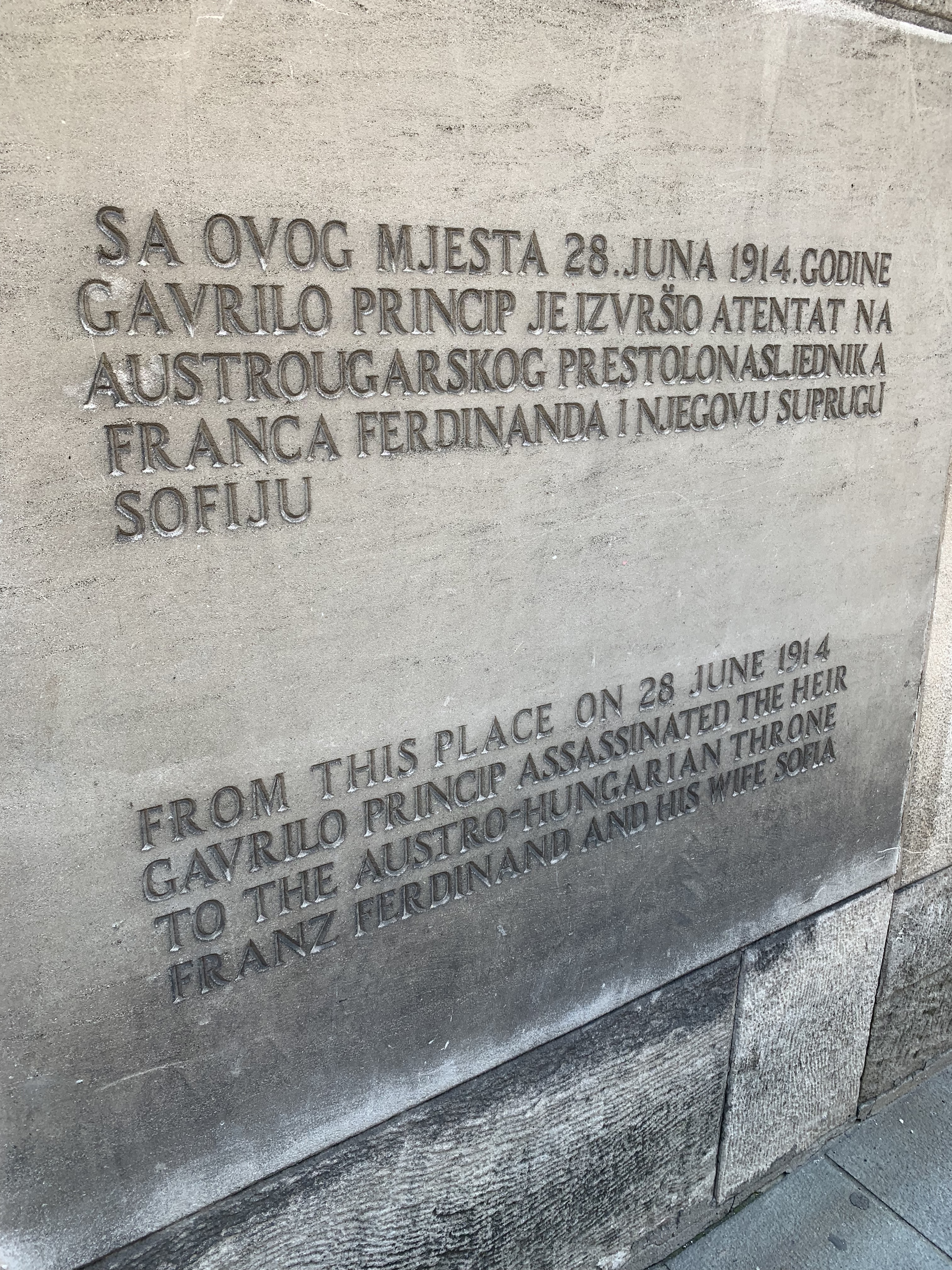
Until the late 1800’s Sarajevo was under Ottoman rule. Then became part of Austro-Hungary until WW1. The assassination of Franz Ferdinand by Latin Bridge in Sarajevo triggered the start of World War 1. The museum of Sarajevo near the bridge tells the story. There is a memorial on the street where it happened. Sarajevo has such a sad past, yet is such a beautiful place.
Yugoslavia was one country regardless of religion or nationality. A firm believer in unity. Tito is celebrated in countries of the former Yugoslavia as being a good president and leader.

From speaking to local people in Bosnia they believe that when Tito died the problems started. I’ll detail the information I have from chatting to locals and guides, so apologies if anything is mis-represented in any way.

The new president wanted a centralised country with everything run from Belgrade in Serbia, leading to civil unrest as some people disagreed. In 1992 Bosnia chose to be an independent country – the 4th Yugoslavian country to claim independence. More than 60% voted for independence. There was political unrest over whether to be loyal to Serbia or Croatia.

A few months after independence, the attacks on the city started. Serbia tried to take territory near the Serbian border, as well as Sarajevo being the capital. The belief being take the capital and the rest will follow.
The initial spark that started the war is said to be an incident at a wedding of a Bosnian boy and a Serbian girl. They were shot by a sniper whilst crossing Vrbanja bridge. Since said to be the ‘Romeo and Juliet’ of Sarajevo. Though the family dislike the term as they allowed and blessed the love of the young couple. Others however were not happy that a Bosnian and a Serb were marrying, the couple tried to flee the city, and on the way out were shot in ‘no mans land’ between the two territories.

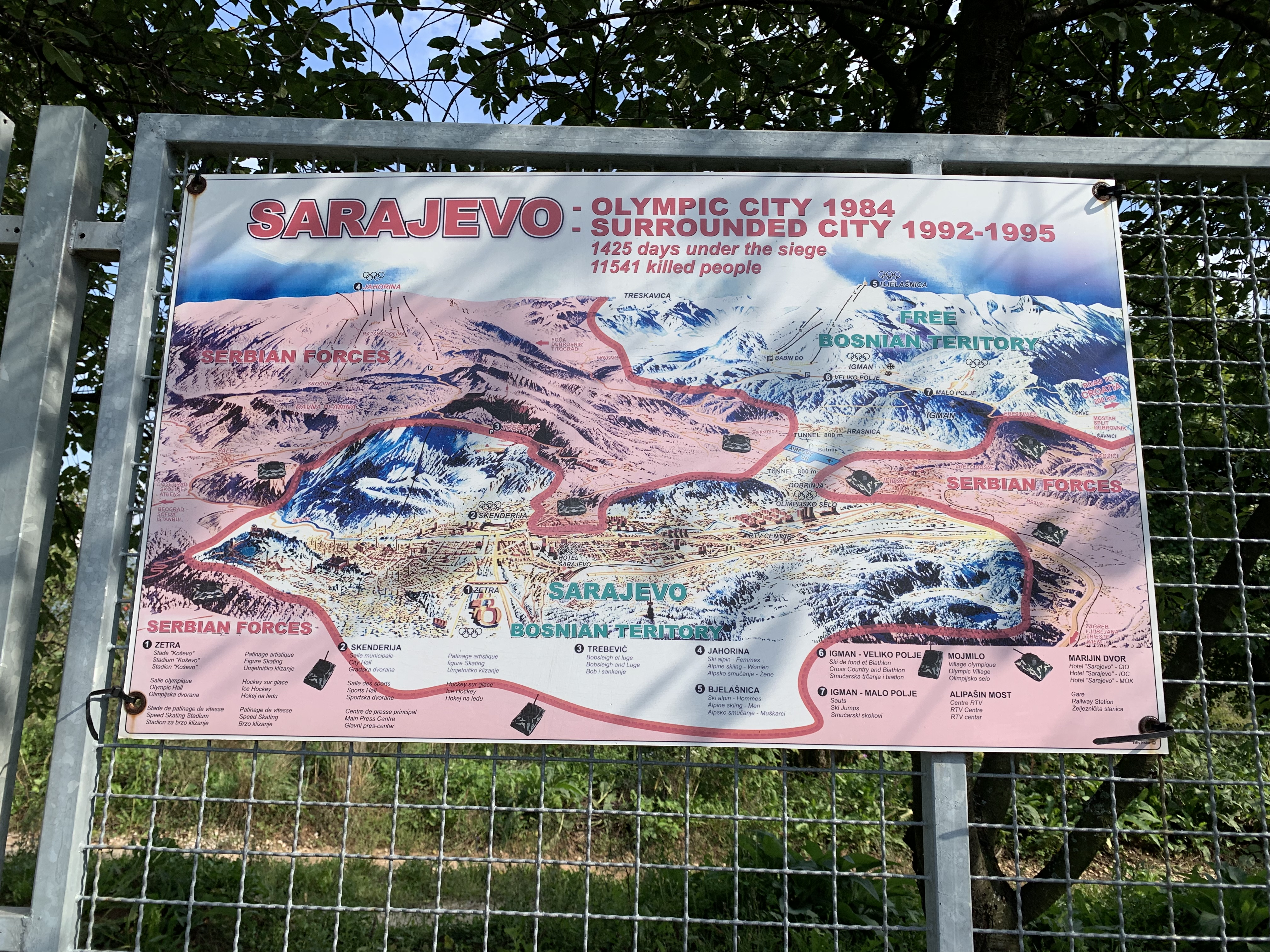
The civil war lasted 3 years from 1992 – 1995. Sarajevo was under seige while the conflict continued. Despite being a big Yugoslavian city, there was not enough supplies, food or clean water.

The first buildings to be attacked were those that provided electricity and telecommunications, important buildings for survival, including a maternity hospital. Facilities such as the Olympic stadiums were destroyed to try and break the people’s spirit. Places of worship such as Mosques and Churches were attacked to destroy the multicultural city.

Children were given colouring books in school with shapes of mines so they can recognise them and potentially help save their lives.

Where shells hit the ground have been marked red to remember the people that lost there lives. You’ll see them all over the city. They’re called the Sarajevo Rose. Approximately 300 shells fell per day in 1992.
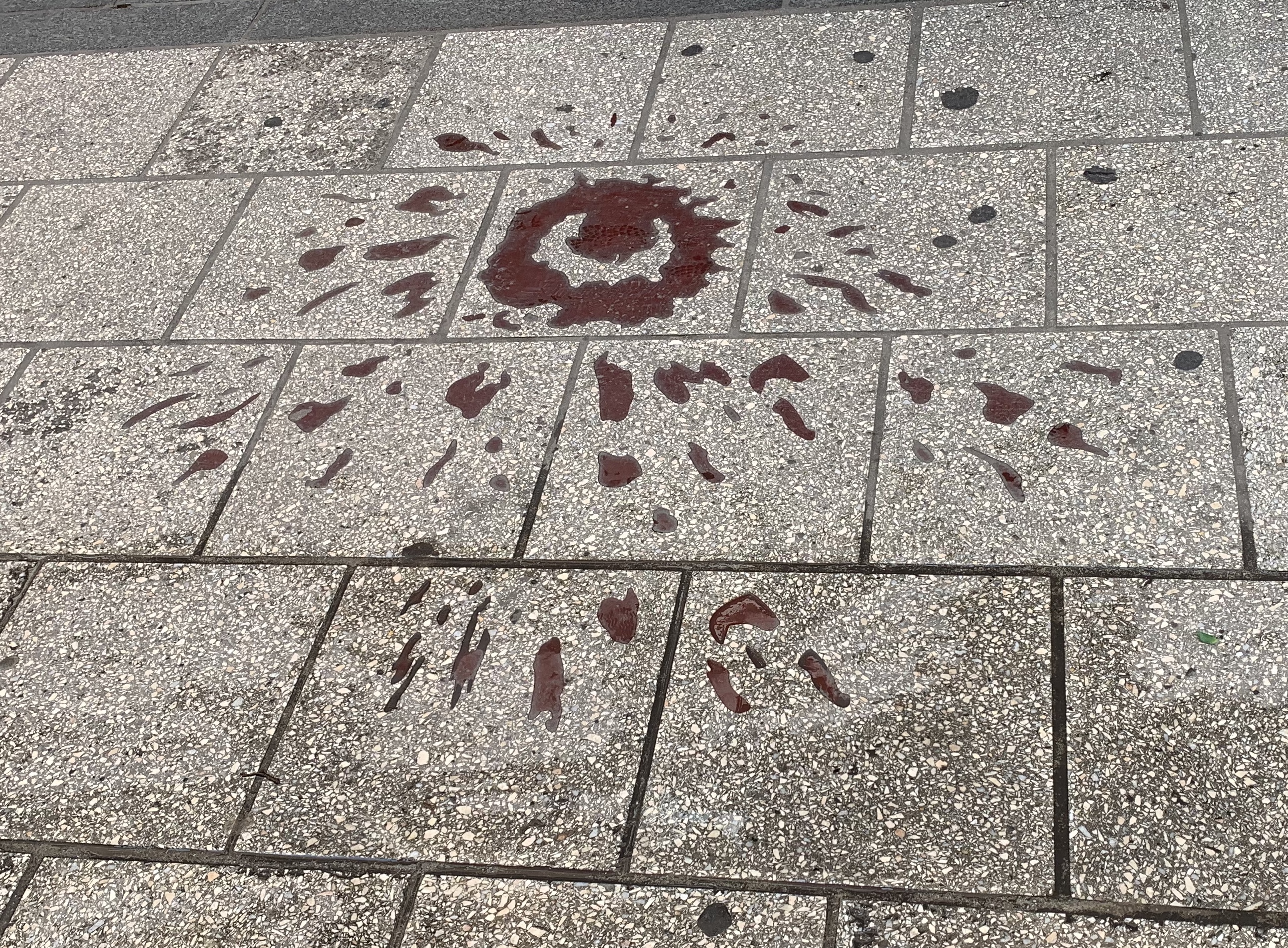
Sarajevo Rose

The peace agreement was signed in 1995 and put an end to a war that lasted over 3 years. The Government is now made up of 3 presidents one Bosnian representative one Croat Bosnian and one Serb Bosnian. They serve for 4 years, and rotate leading for 8 months each. So little gets done as what can 1 person do in 8 months for one country. Though no one complains or intervenes as it was part of the peace agreement. And no one wants to go back to a time without peace.

Sarajevo
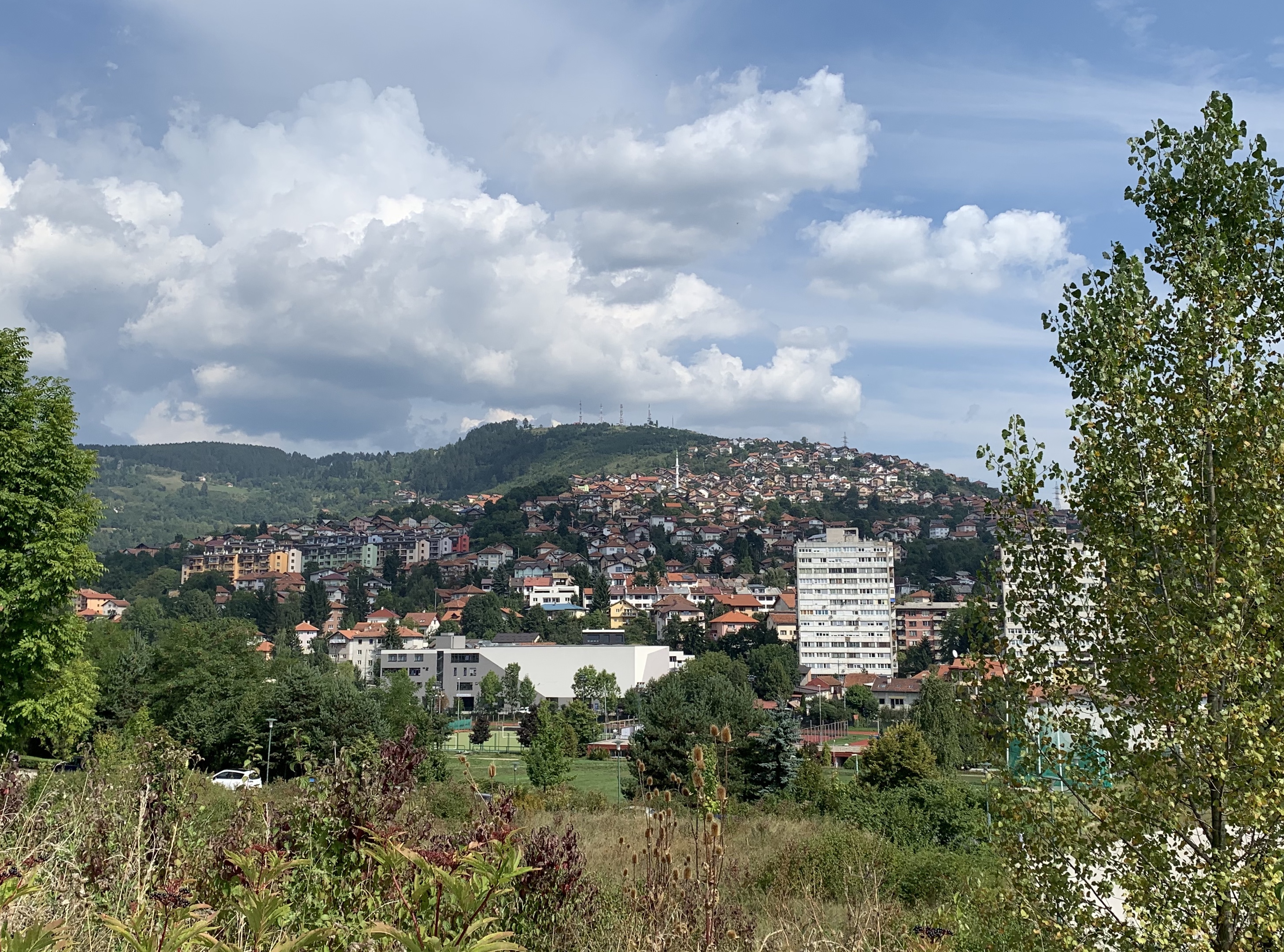
The views of Sarajevo are stunning – again it can’t be fully captured and appreciated in a photo

Sarajevo is once again a multicultural city where people of different backgrounds and religions live together peacefully. There is a Cathedral, a Synagogue, Orthodox Churches and Mosques. It’s a beautiful city with much to offer.

Muslims are around 55% of the population in Bosnia, increasing to 70% in Sarajevo. Catholic is around 15-20% and Orthodox 10-15%. The rest are minority groups.
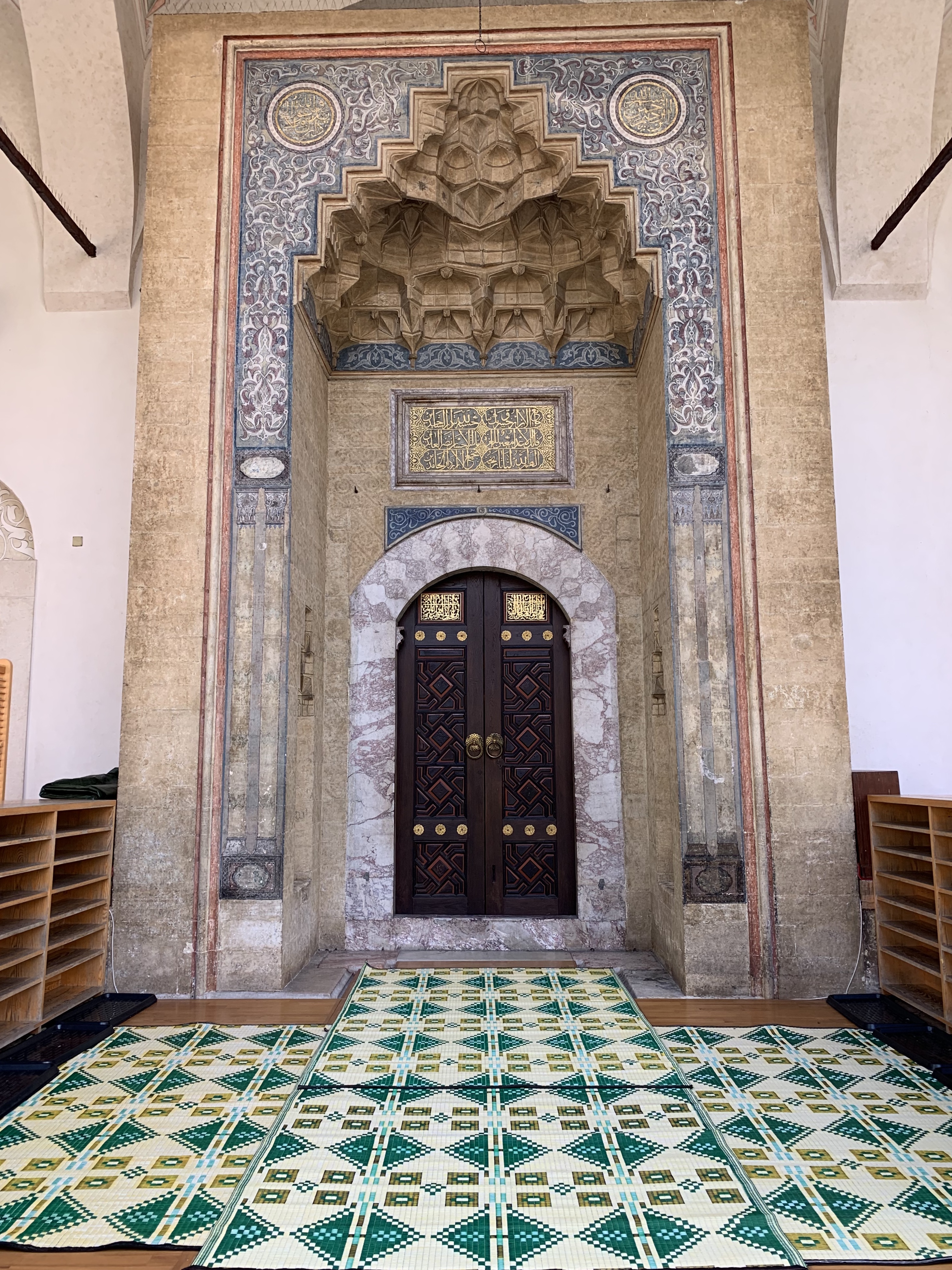
Mosque entrance in Sarajevo

Jews came to Sarajevo in the 13th century and there is a pretty Jewish quarter. They built the first Synagogue which is now a museum. Before WW2 there was around 14,000 Jews. Many died in the war and the rest fled the city. Muslims and people of other religions helped where they could hiding them in there houses. Jews are a minority now with only around 700 Jewish people living in Sarajevo and 1000 in Bosnia.
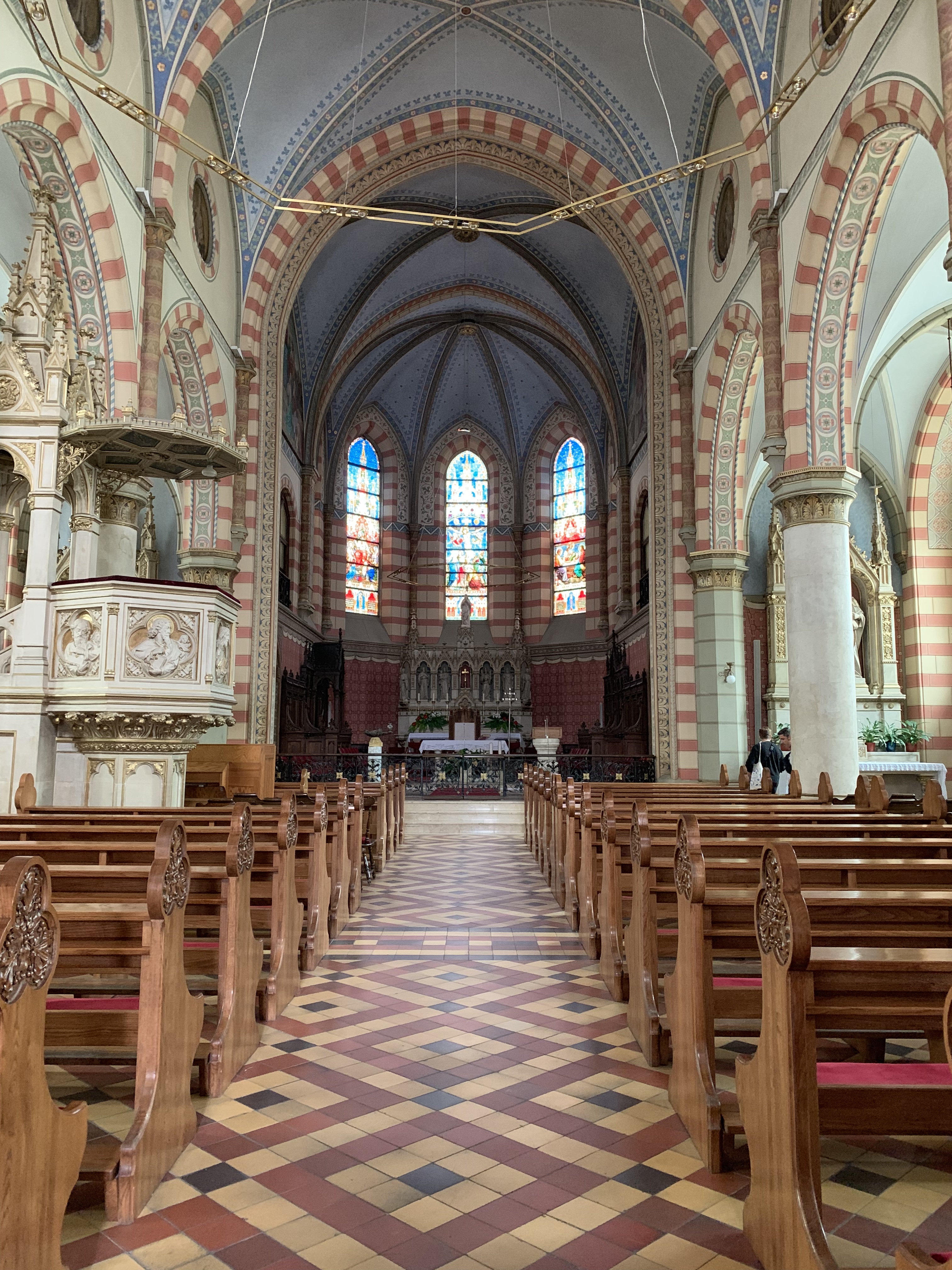
Beautiful interior of the Cathedral

The city hall, a beautiful Austro- Hungarian building and more recently a library. Shells went through the roof during the war, damaging the interior and some 2 million books. It’s repair started in 1996 and was completed in 2014. It’s now a museum and used for small concerts and events.
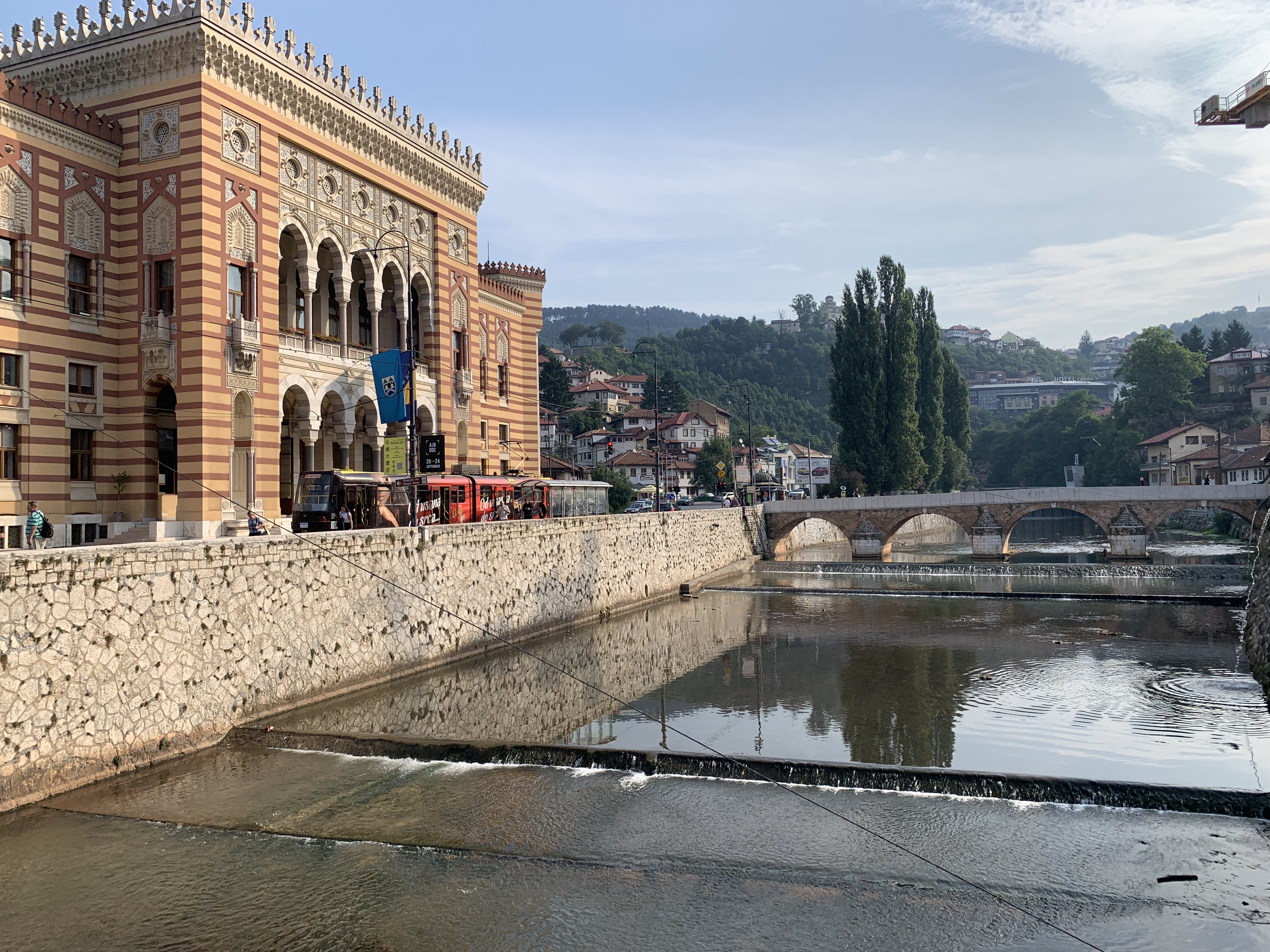
Sarajevo City Hall

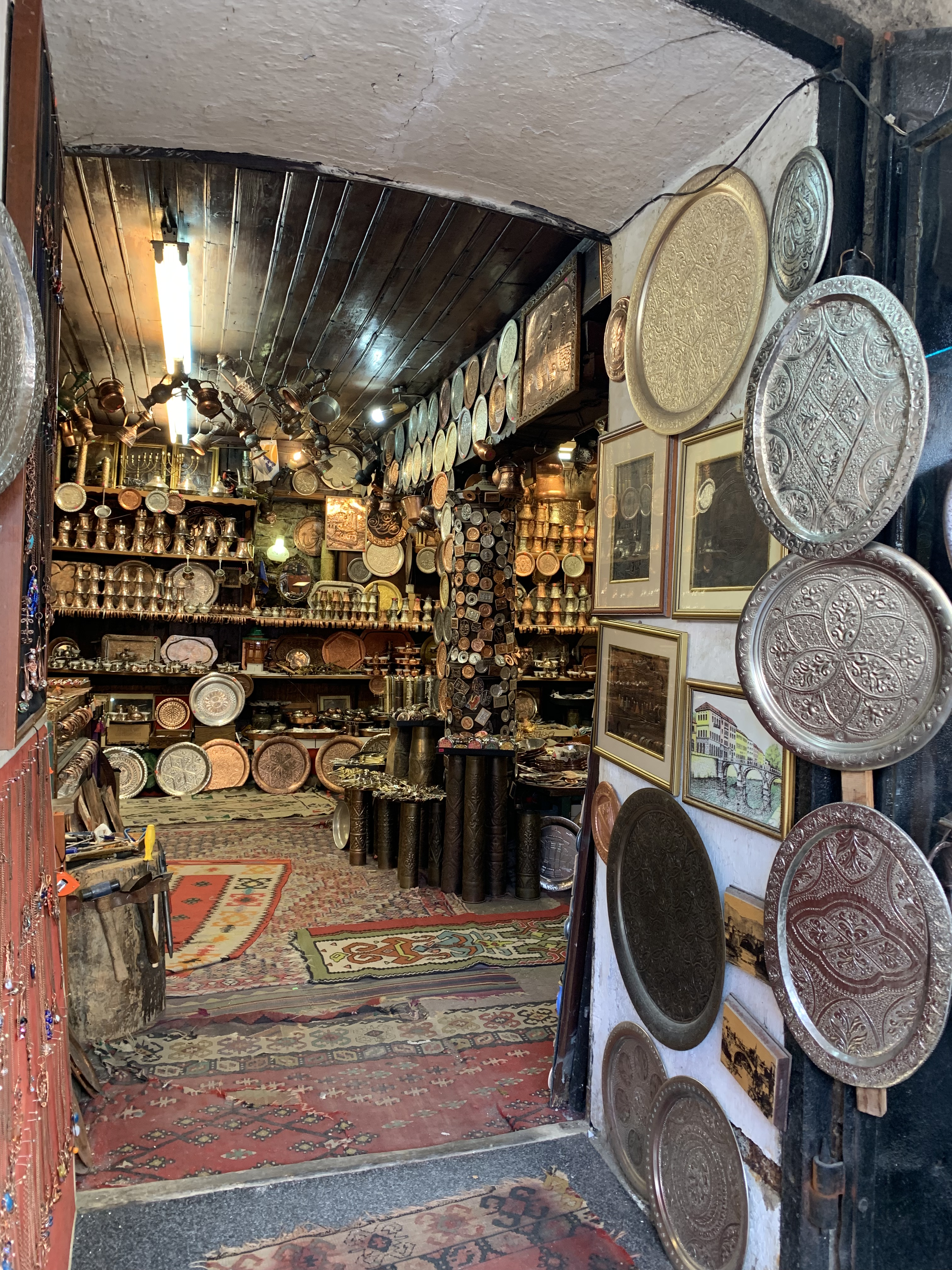
On the Ottoman side of the city the streets are named after the crafts the local people used to produce in those streets. For example Blacksmith’s Street (though this is now full of restaurants), Copper Street – still home to small local shops selling copper items.
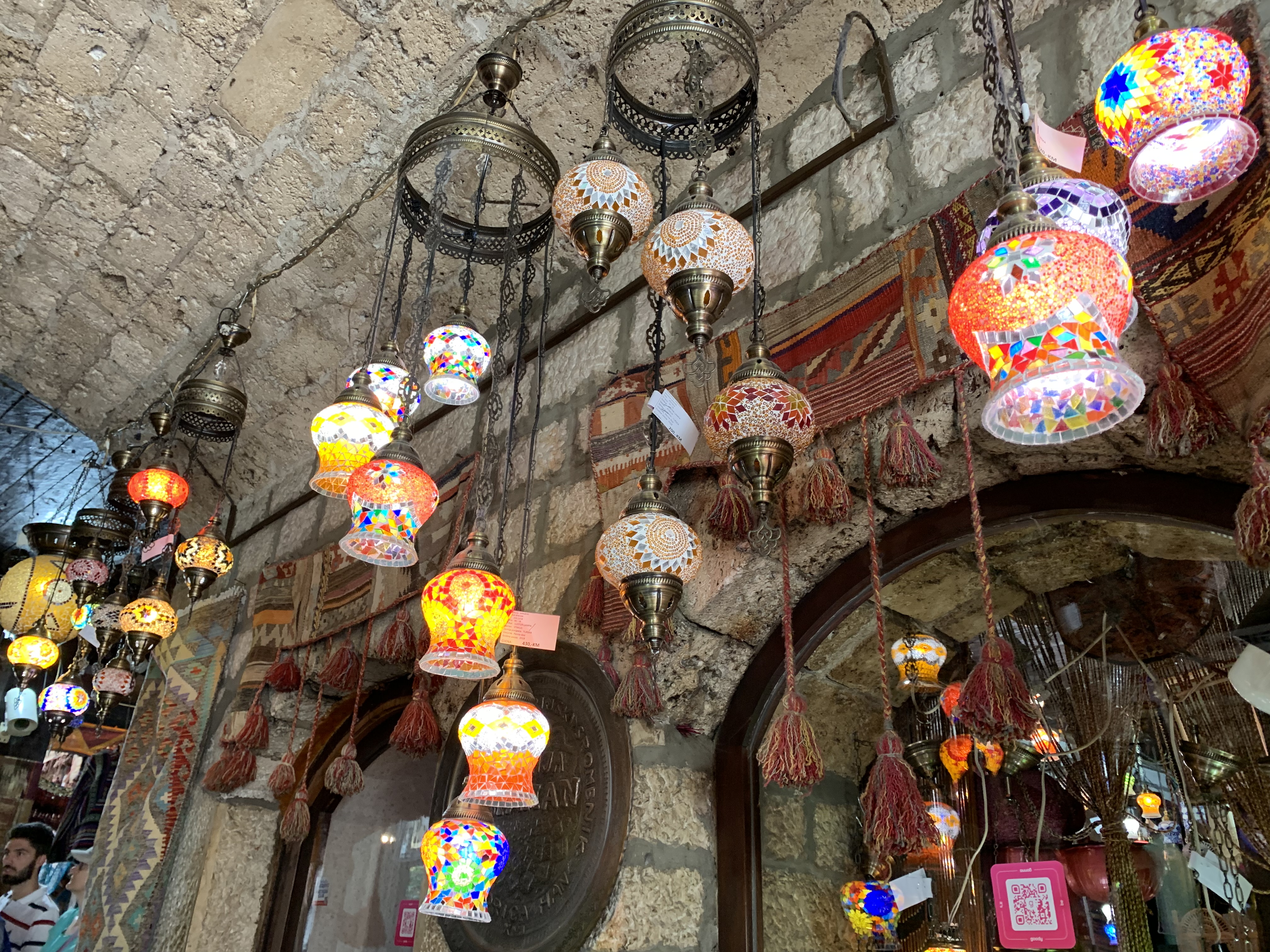
There were a number of Han’s – equivalent to a small motel in modern terms. They were near the road for traders and people travelling the silk route. There used to be more than 50 in the city. There is one surviving one since the war from the 15th or 16th century. It’s now a Persian carpet shop with lanterns and you can wander in to get a feel of what they used to be like. Upstairs has been converted to offices.
This pretty building below is an indoor food market with meat and cheese counters. You can try with no obligation to buy. Behind is an open market for vegetables.

Below is The Sculpture of the multi-cultural man. Donated by Italy after siege. It’s the only naked sculpture in Sarajevo, and demonstrates trying to connect to the world. Surrounded by doves as a symbol of peace. Behind is the largest Orthodox Church in Sarajevo.

There are so many cemeteries in Sarajevo. Orthodox, Catholic, Muslim. In places the graves are endless. As far as the eye can see. It takes your breath away and is so emotional to see. It’s hard to believe this happened neighbour on neighbour in such recent living history.
Tunnel Museum

A must see whilst visiting Sarajevo. Known as the Tunnel of Hope, the Tunnel of Life or The Tunnel of Rescue. The tunnels were 800m, 25m are left now for the museum. The rest has gone for safety reasons as most of it was under the airport. Initially it was a private museum, it’s now State run but the son of the family who’s house it was still works there.
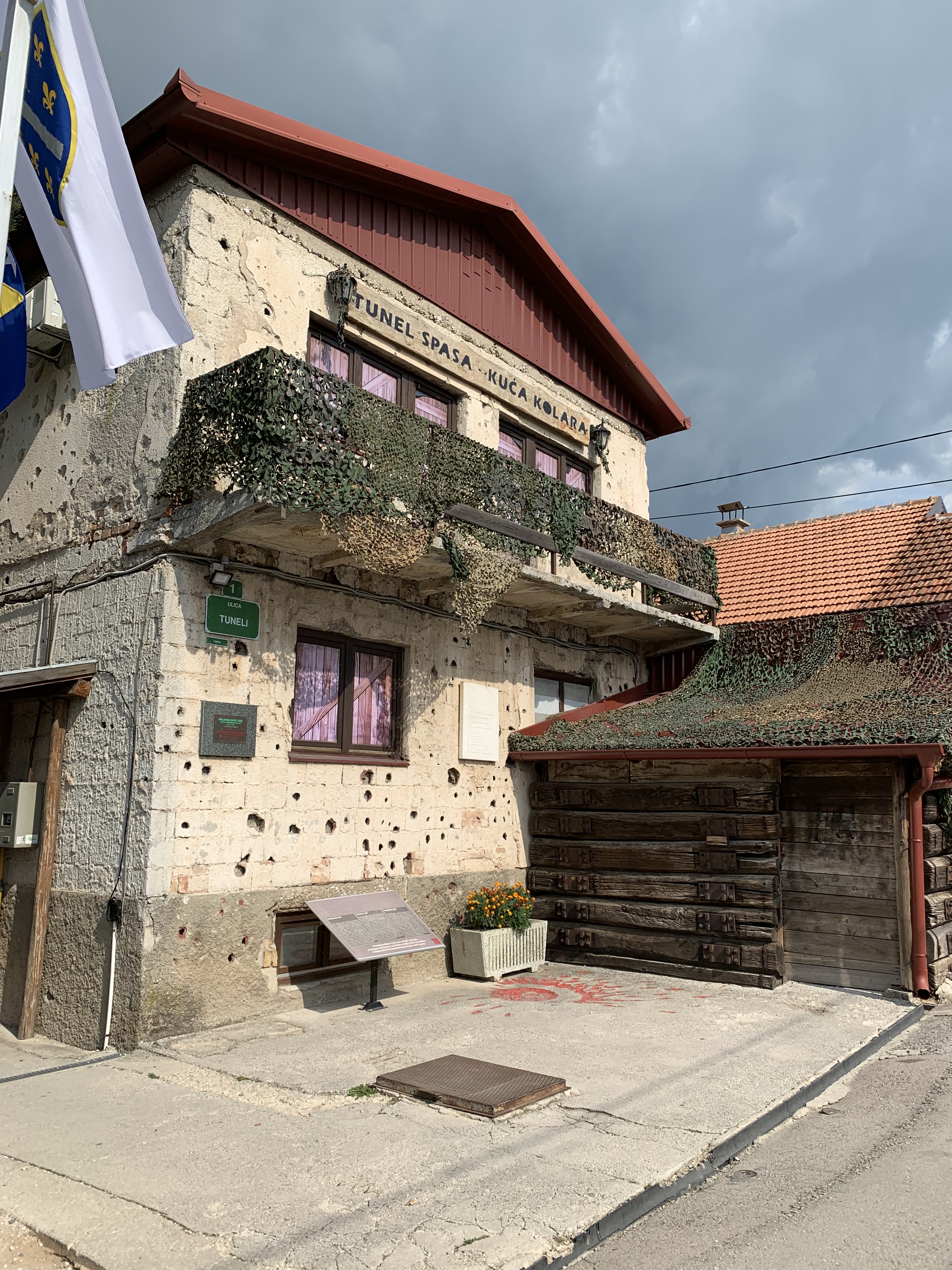
The digging started from their house as they had a basement; and also from the other side of the airport runway. It had to be kept secret, though it took many people to dig – there photos can be seen in the entrance of the museum. It took 4 months and 4 days of digging.

The Tunnel is 1.6m high, though lower in parts, and 1m wide. On one side they had lots of metal so that side of the tunnel was lined with metal.
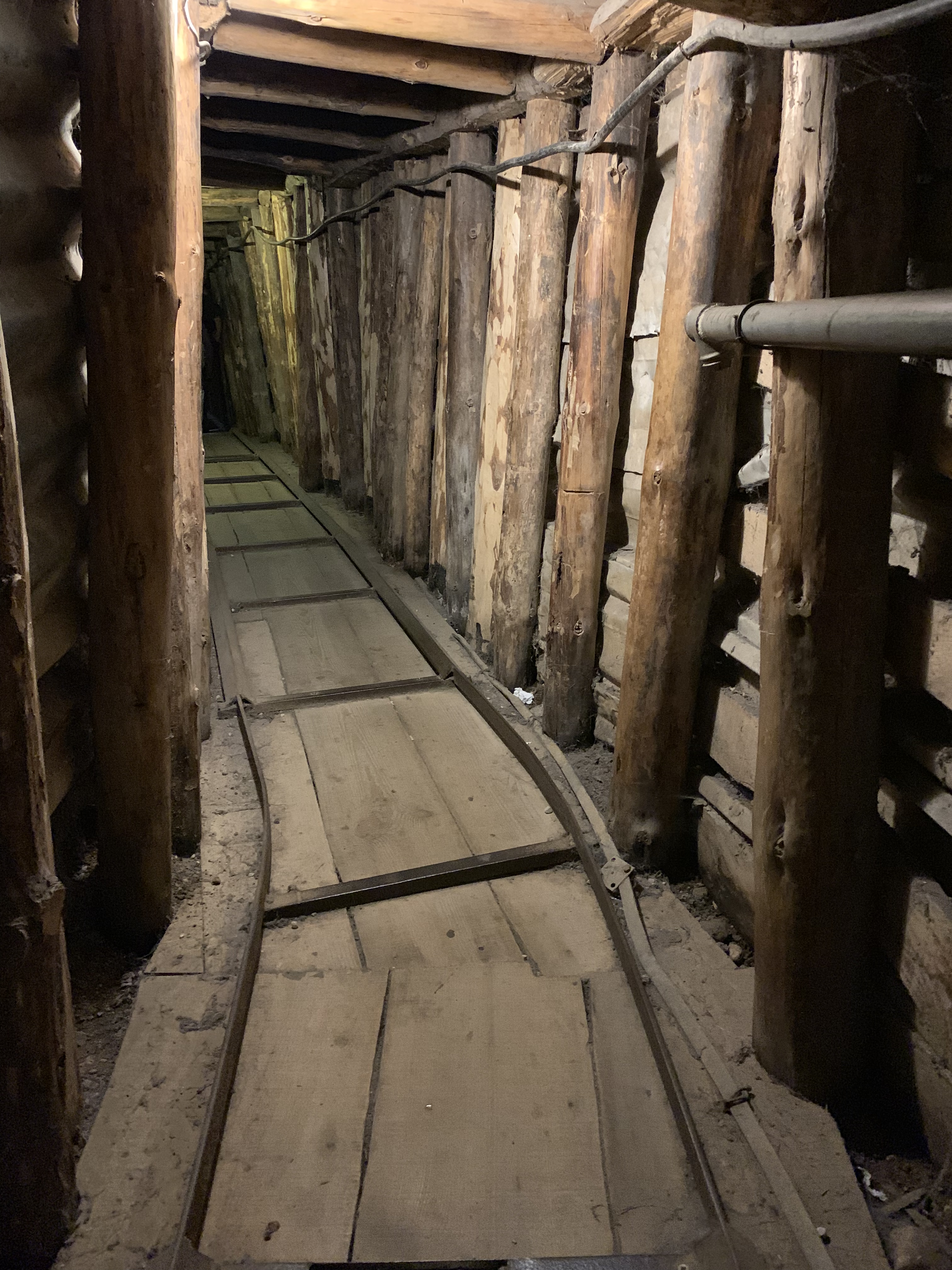
People hid in the basement if they had one. If not they might share with a neighbour. Assuming they were still on the same side. Otherwise they would choose one room in the apartment that was the safest. The room became everything to the family including the kitchen area.

There was no electricity, people would make lights out of battery’s and use car engines to make electricity. Small transistor radios were valuable. Bicycles were used to carry water canisters. Cigarettes became currency, money wasn’t worth anything. Windows were covered with tape to try and prevent glass falling in. When they ran out of wood to burn they would use books, trainers or anything they could get there hands on.
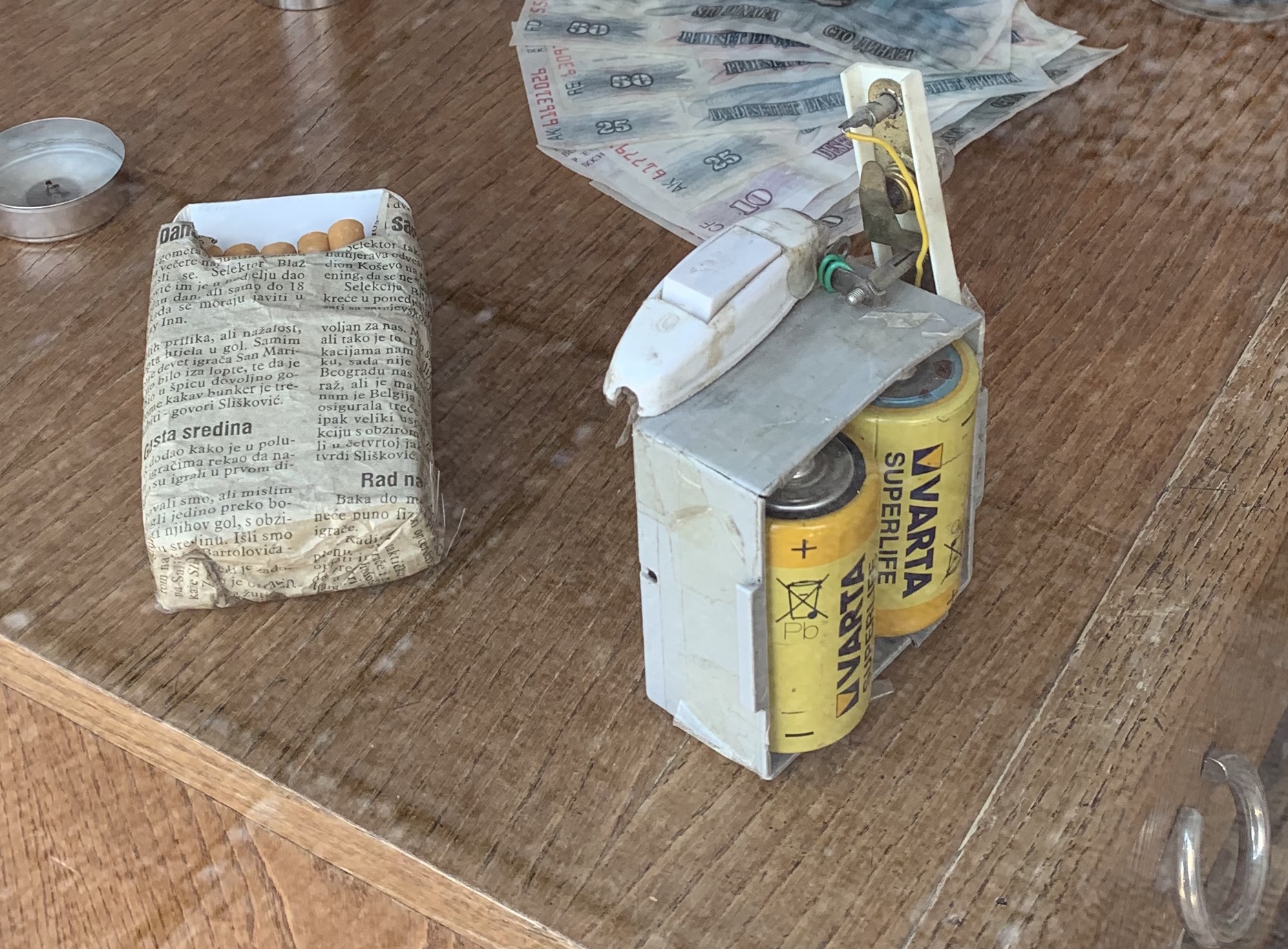
Newspaper was used to make cigarette packets and batteries to make lights

Use of the tunnel was for the army initially. It’s use was controlled, but allowed movement of people, ammunition, weapons, food and goats amongst other things. The army checked people for alcohol and petrol which were not allowed, to try and prevent damage and spies.

The lady who lived in the house where the tunnel started used to give people water as they exited the tunnel. Shops opened on the side further from the city so families could cross tunnel to get supplies, or stock up whilst trying to escape the city.

Despite the situation people managed to keep some sense of humour, with signposts in the tunnel ‘Paris this way’.

Winter Olympics

Hard to believe that less then ten years before the civil war Sarajevo was host to the 1984 Winter Olympics; where Torvill and Dean famously won Olympic gold for ice skating to Boléro.

One week before the Olympics started no snow had fallen. The night before they were due to start, one metre of snow fell. Locals hailed the miracle, and welcomed the chance to change opinion, and the image of the city after it was previously known for where WW1 started.

It was the first Olympics held in a socialist state and communist country. The bobsleigh and luge were destroyed during the seige. It is now the most beautiful abandoned area in the city. You can get a cable car up to the top to overlook the city and enjoy the mountains. It’s 10 Euro’s return and you get amazing views from the top.

Food and Drink

Bosnian coffee is very strong and not necessarily enjoyable for Western tastes, more palatable for us if you filter out the sediment when pouring from jug to cup. Bosnian people tend to be big meat eaters so not the easiest country for vegetarians but getting easier and you should still manage to eat ok. I had some delicious fish from a restaurant in the bazaar in Sarajevo. I also had a lovely lunch surrounded by locals in a garden cafe called Kolobara Han, amongst the back streets and shops in Sarajevo. Cuisine was influenced by the Ottoman Empire and paprika is used in most dishes.
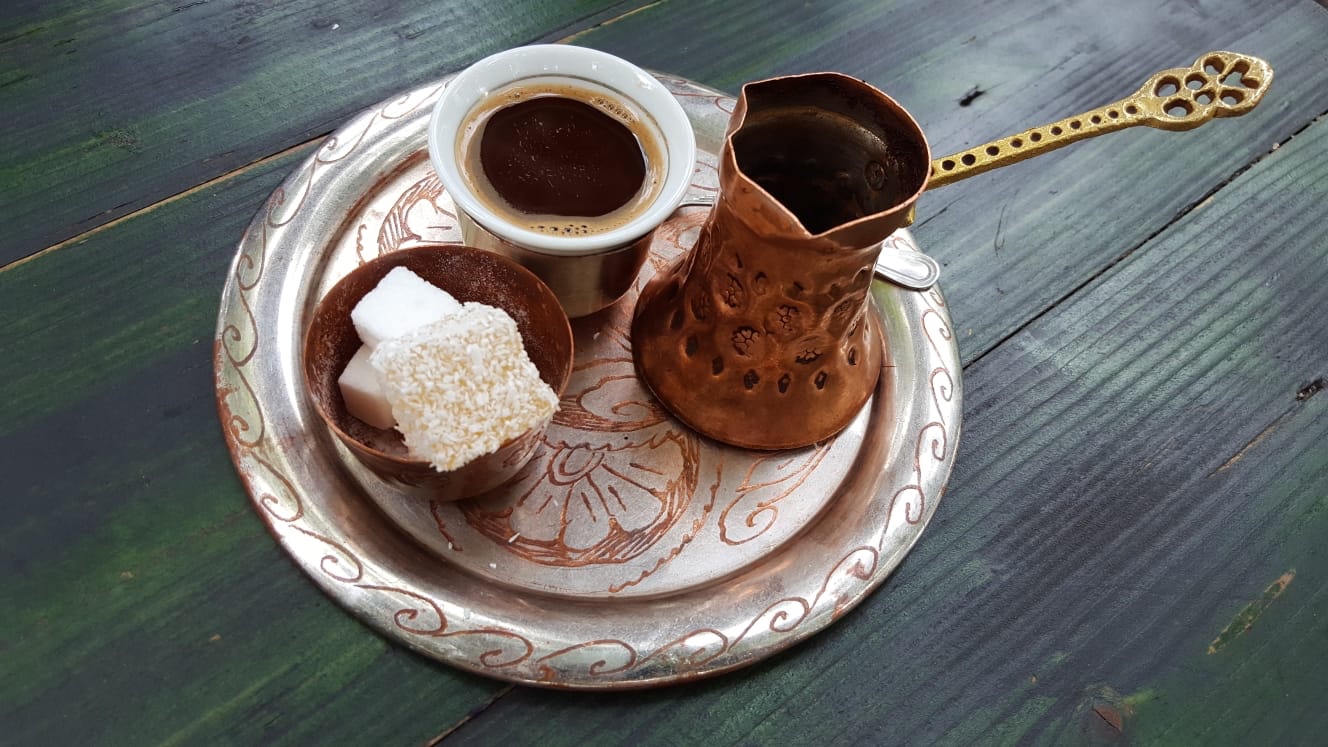
Bosnian coffee served with Turkish delight

Mostar

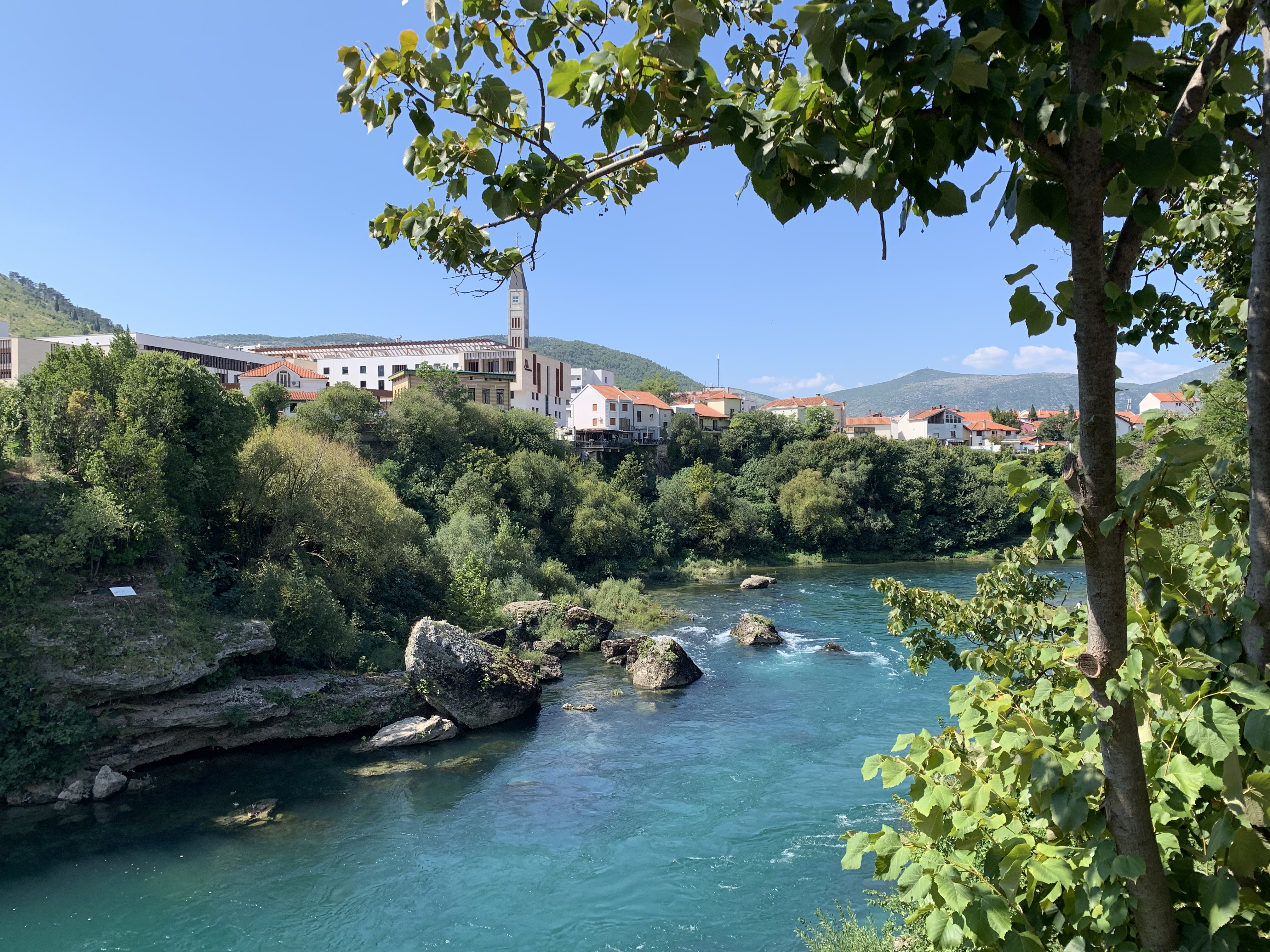
Famed for the bridge and the locals diving from it! Quite a feat given the height is 25m and the depth only 6m! It’s impressive to watch if you’re lucky enough to see someone dive. They collect tips and once they reach 30 Euro’s from onlookers at the bridge they’ll dive. The best spot is looking up at the bridge for a great view of both the bridge itself and the view of a diver go.
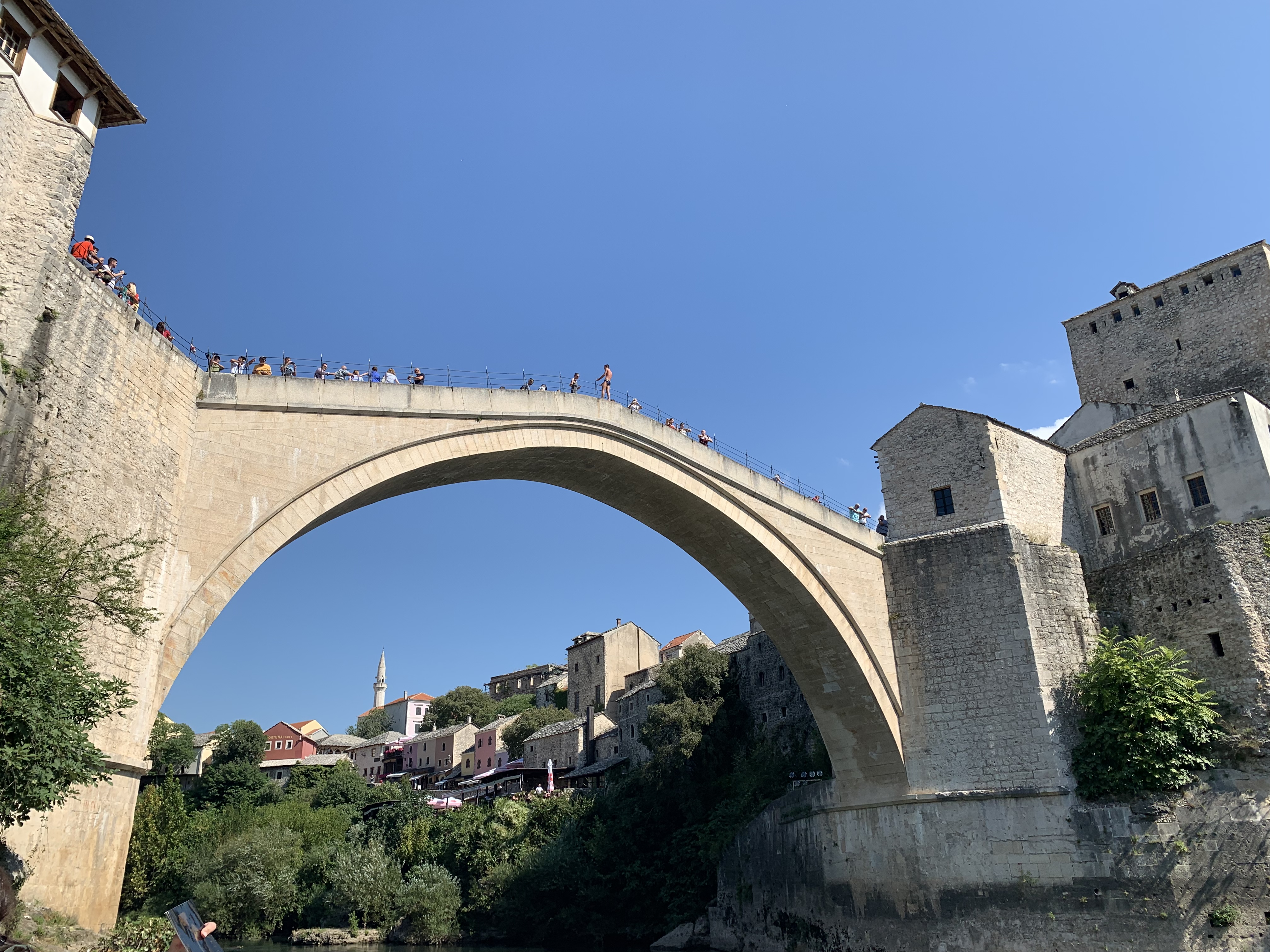
Mostar bridge

The bridge and the old town is cobbled and they are polished cobbles so can be really slippy. Wear sensible footwear! It has UNESCO heritage. Apparently it was designed this way so that when women walk with high heels on the cobbles they have to concentrate on walking so can’t get distracted by shopping or flirting with other men.
Be wary of pickpockets especially on the bridge and in the old town. Locals will be dressed as Western tourists and are often young women.
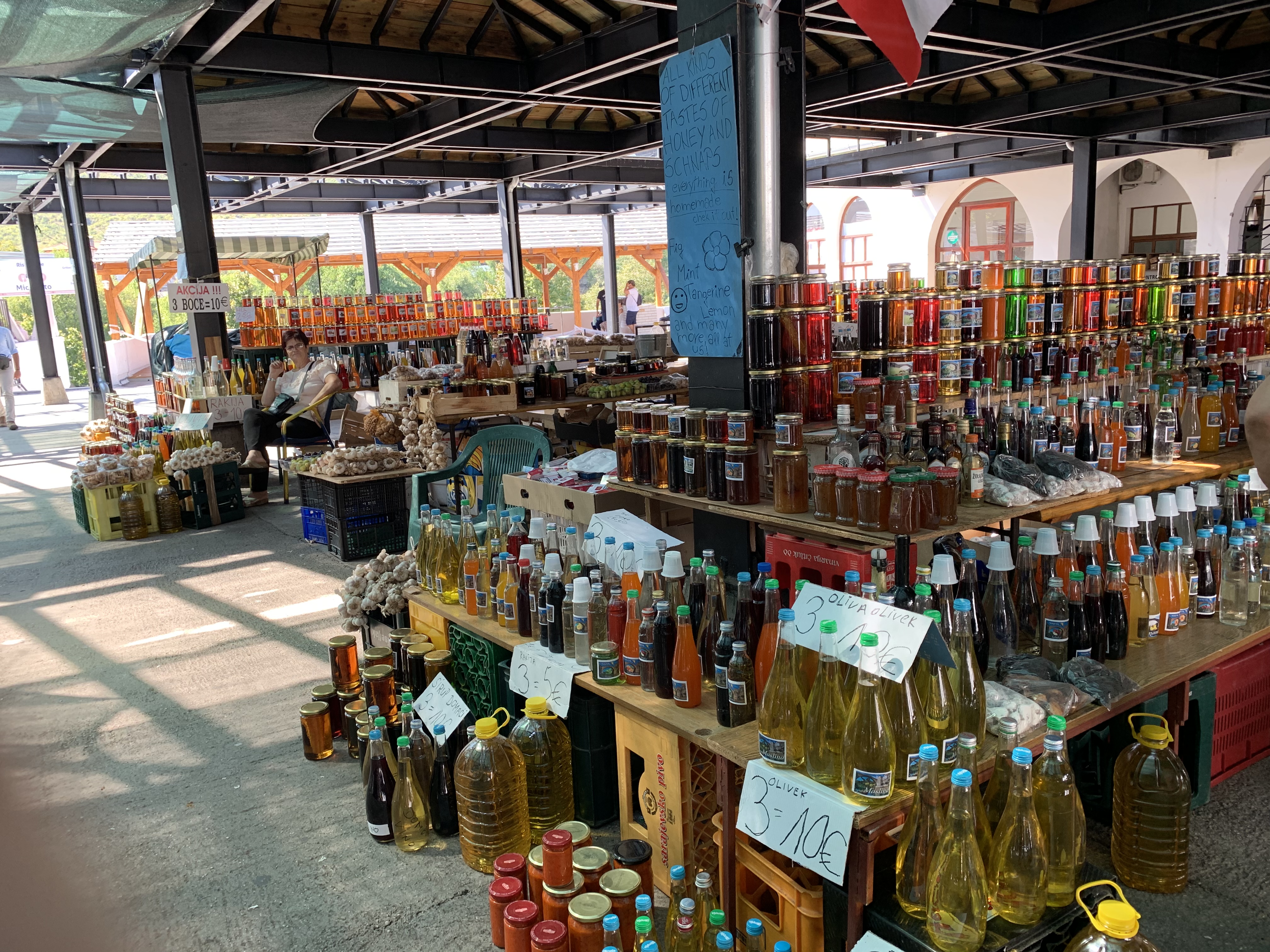
Local market

Across the bridge once you’ve passed all the little tourist shops, is a market with honeys and oils. And some very cheap trainers… There are also a few lovely cafes and restaurants, one has a great view looking back at the bridge and the food was good too.

Graffiti

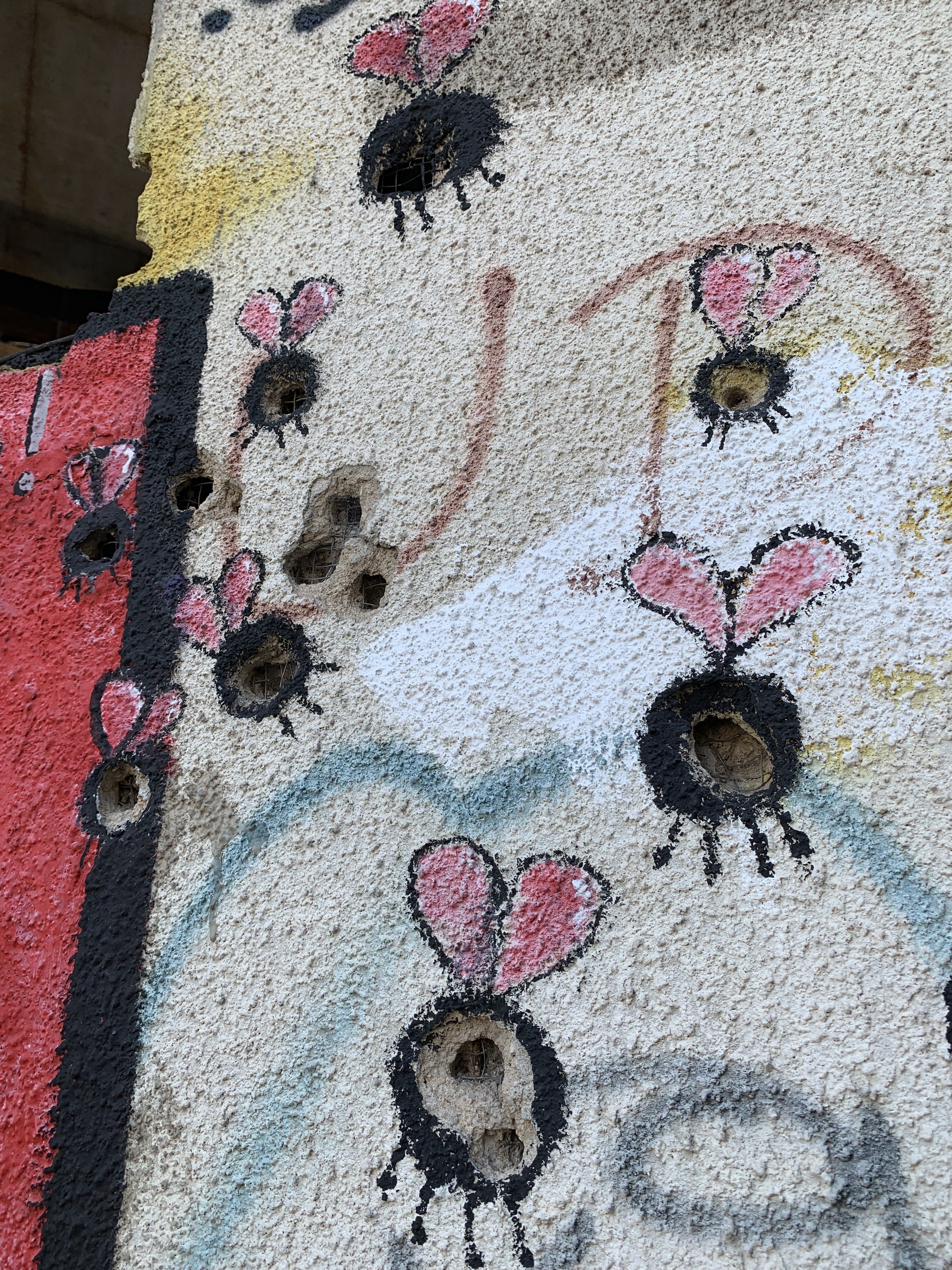
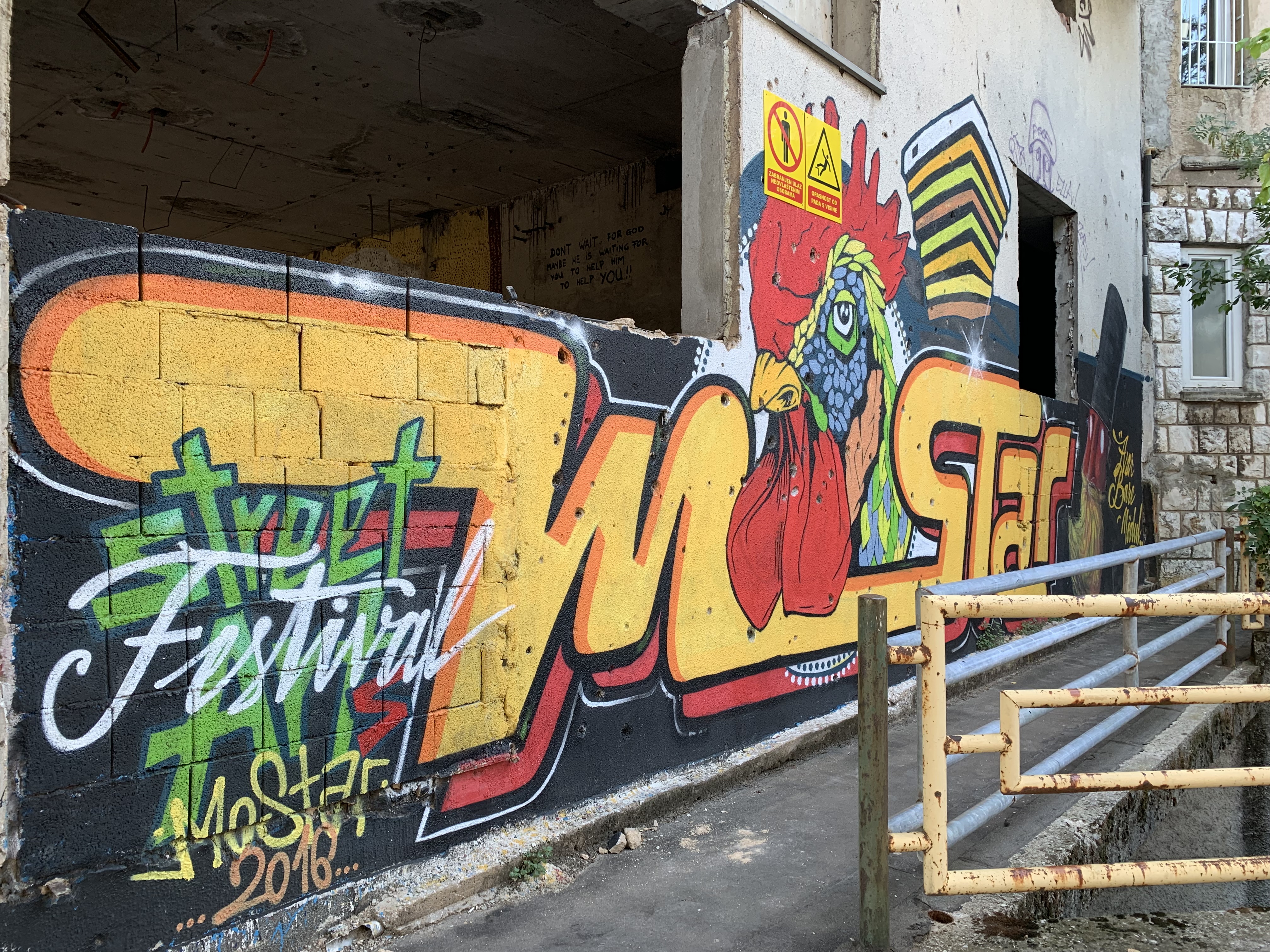
I’ve seen Graffiti almost everywhere in The Balkans – some of it really impressive. I’ll show a few images here of some seen in Bosnia. What touched me the most was where there are still bullet holes in some of the walls and it looks like they’ve tried to make something positive out of something so sad.

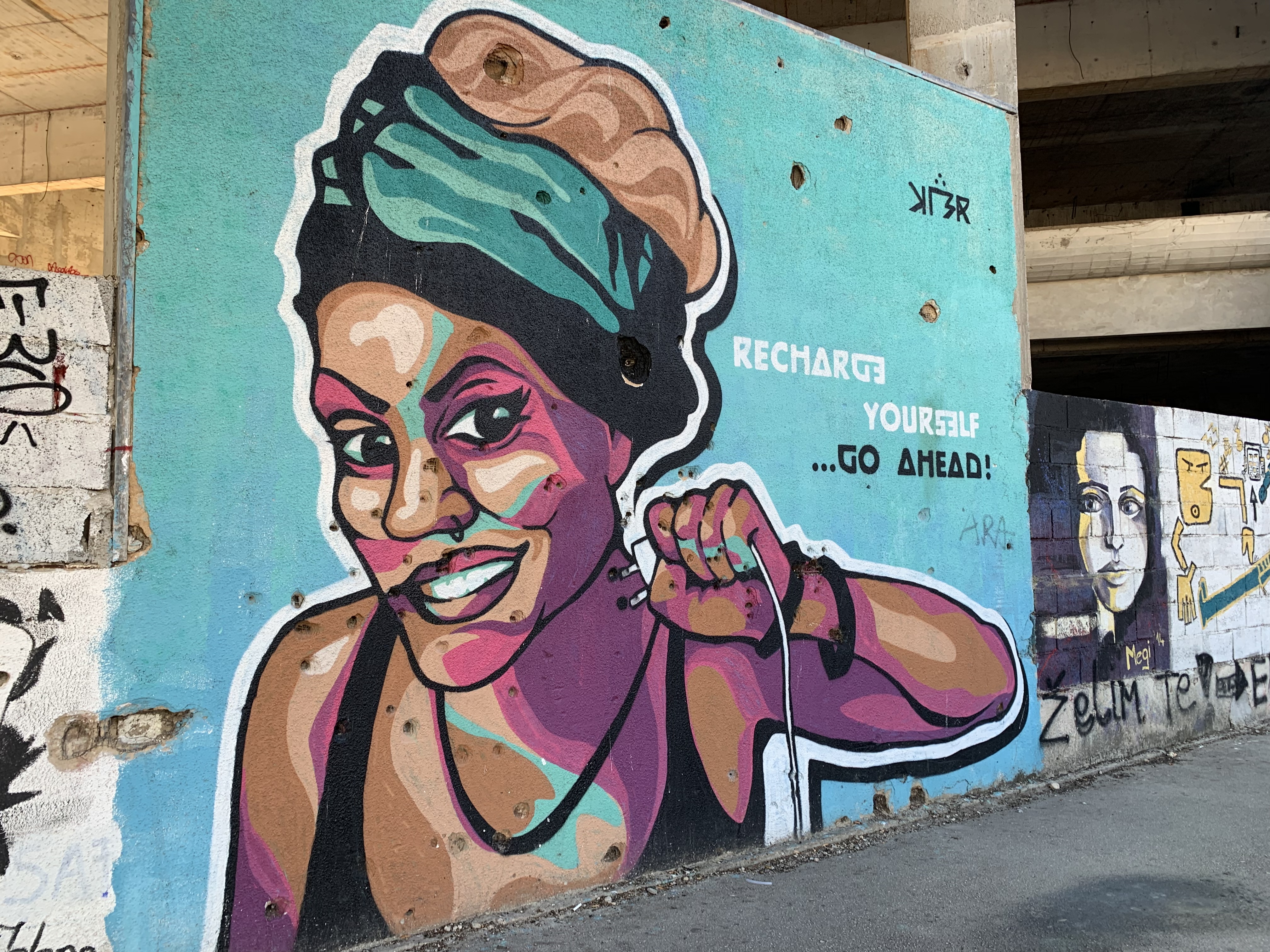
Graffiti over the bullet holes in Mostar
Graffiti in Mostar
Graffiti around the bullet holes

The practical stuff

The currency is Bosnian convertible marks. It’s a closed currency so you can only exchange or withdraw it once you’re in Bosnia and you ideally want it all spent by the time you leave. Currency is almost fixed 1.95 marks and cents to 1 Euro or 2.02 marks to the pound. Some places take cards, though you’ll need cash for markets and smaller shops or purchases.

As usual I recommend a Starling Bank card to withdraw cash once you’re here. Only issue with that is that it’s harder to get smaller denominations out of the ATM; exchanging at a local office might help you with smaller notes and since the currency is relatively fixed this shouldn’t impact the value too much. https://www.starlingbank.com/

Locals drink the tap water but I’d recommend bottled water here. Be careful crossing roads too, evening on crossings.

Thank you is the same as the other Balkan countries I’ve come across so far – Hvala. They use Hvala Vam – thank you to you. Molim, pronounced moll-leem, is please and you’re welcome. Cheers sounds like Jivoli, I thought Tivoli gardens like in Copenhagen to remind me.

Anita’s quote at the beginning of my post is so relevant – my trip to Bosnia will stay with me forever, and I cannot recommend the country highly enough.

Next stop Montenegro, via Dubrovnik in Croatia, next post to follow – ‘4 countries in 26 hours’!
Croatia – Plitvice Lakes, Zagreb and Dubrovnik

Plitvice Lakes national park is absolutely stunning and a true natural wonder.

Live your life by a compass, not a clock

Stephen Covey

Plitvice Lakes National Park

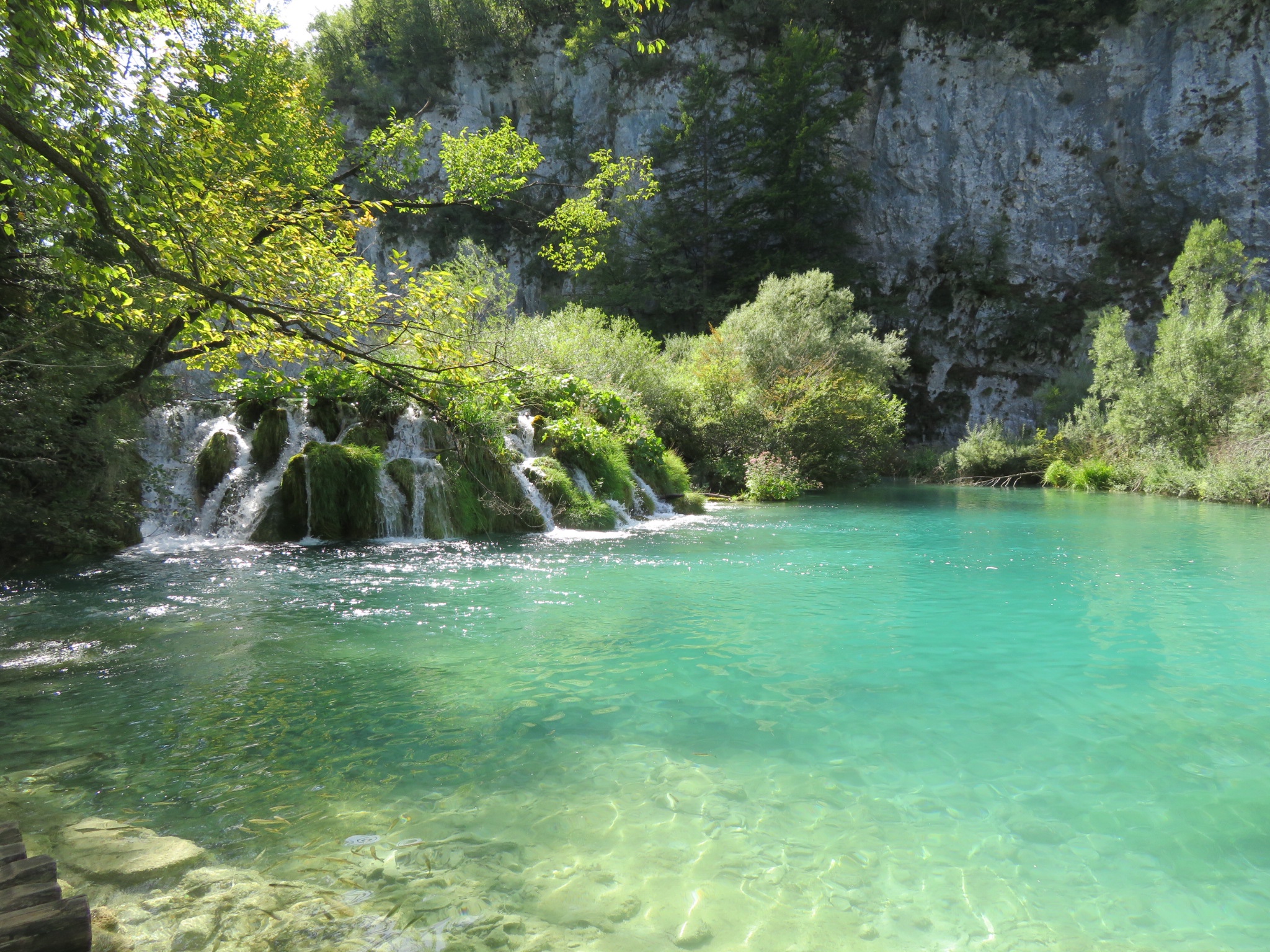
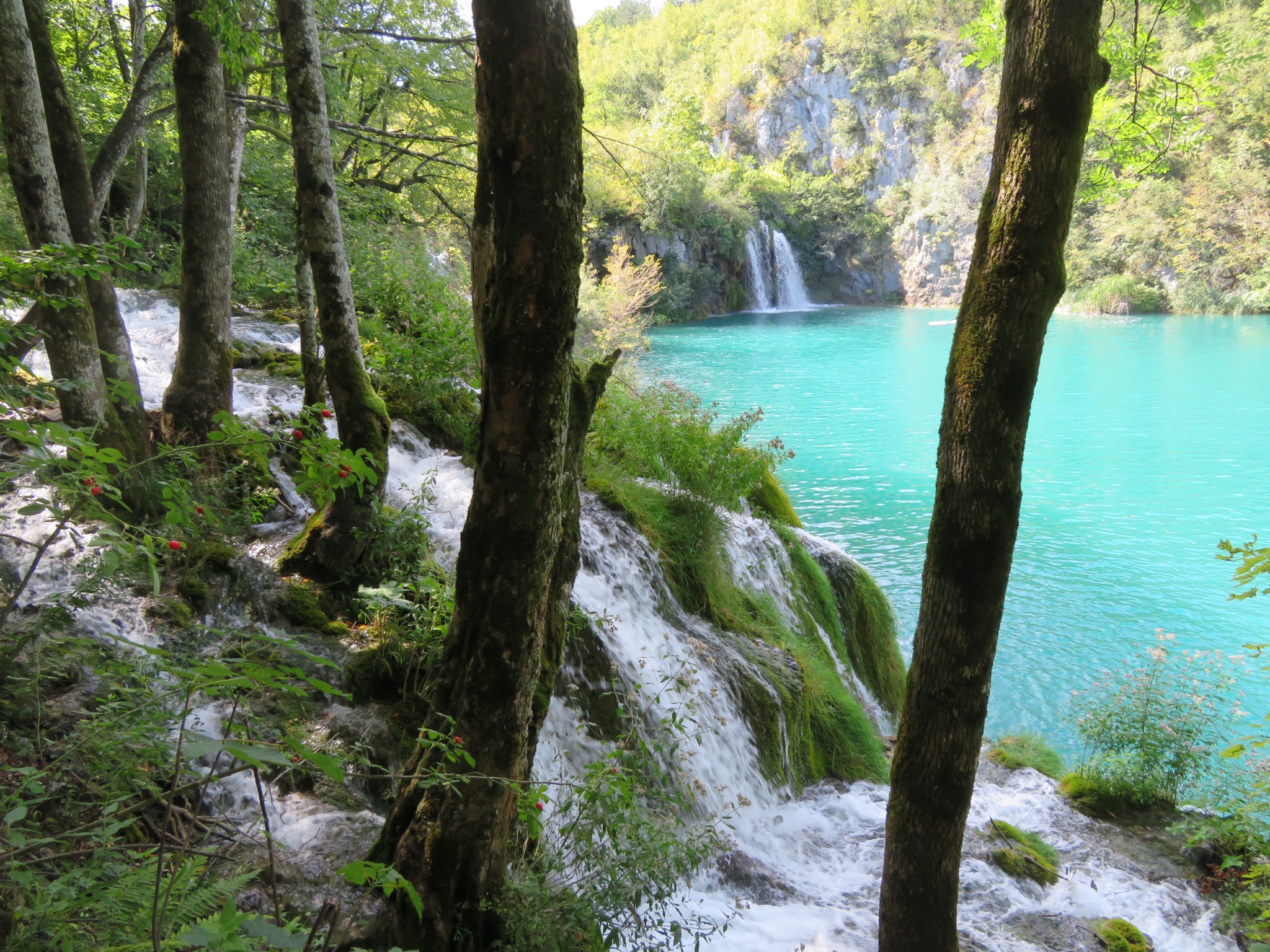
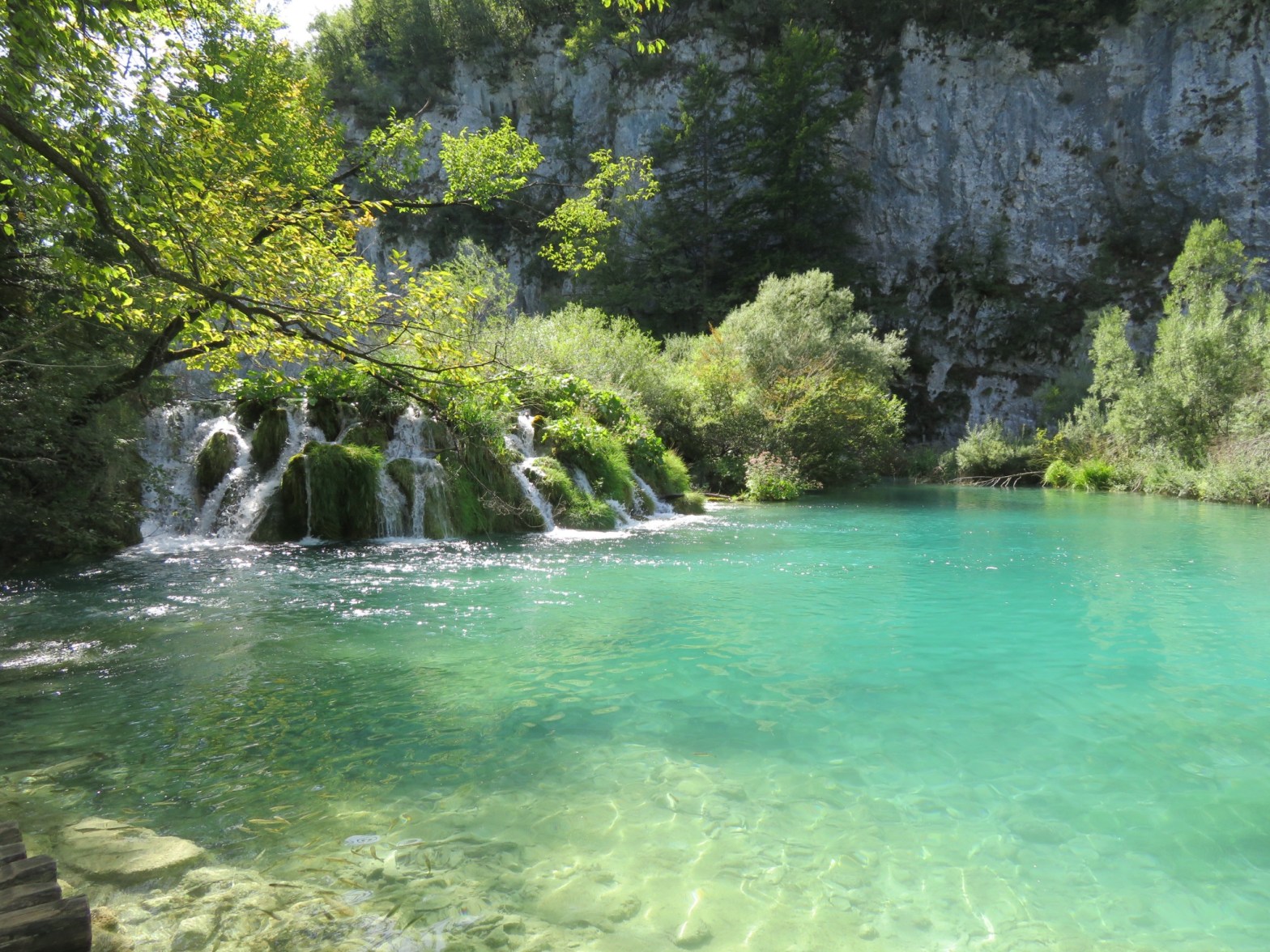
The colours of the water are gorgeous and such vibrant blues and greens. The waterfalls are stunning and it makes you appreciate how powerful nature is. It’s the largest and oldest national park in Croatia. It was granted UNESCO national heritage status in 1979 and its easy to see why. There are 16 lakes with the amazing shades of blue, interconnected by the waterfalls. The highest point is 1280m. If you’re unsure about whether it’s worth a visit, simply look at some of the images available online and it should sway you! I’ll add some of mine to this post too, not that I think they do it justice!
Veliki Slap the highest waterfall is 78m tall. You can wander round the lower pools following the well organised pathways, seeing some falls and lakes along the way. It was originally set out that way and declared a national park in 1949. Impressive organisation back in the day.

Carry on the pathways and you come to a cafe area, the food isn’t great – mainly burgers and chips; I’d brought sandwiches from the bakery in Zagreb. There is a water fountain though they encourage you to buy bottled water. I used the fountain, even though it didn’t look great, it’s safe to drink and lovely fresh water. From here you can get a boat across the lake to the upper pools. They’re less people up there so it feels a bit calmer. As you wander through the woods there is a chance of seeing deers, bears and wolves, though you’re more likely to see a bird or a butterfly!

The entrance cost varies depending on the time of year, during summer it’s between 150-250 Kuna per adult. There are a few hotels right next to the park so it is possible to stay overnight near the falls. I stopped in one of them for a drink after walking and it was lovely.

It really is a beautiful place to walk around and take in with gorgeous sights at every turn.

Zagreb

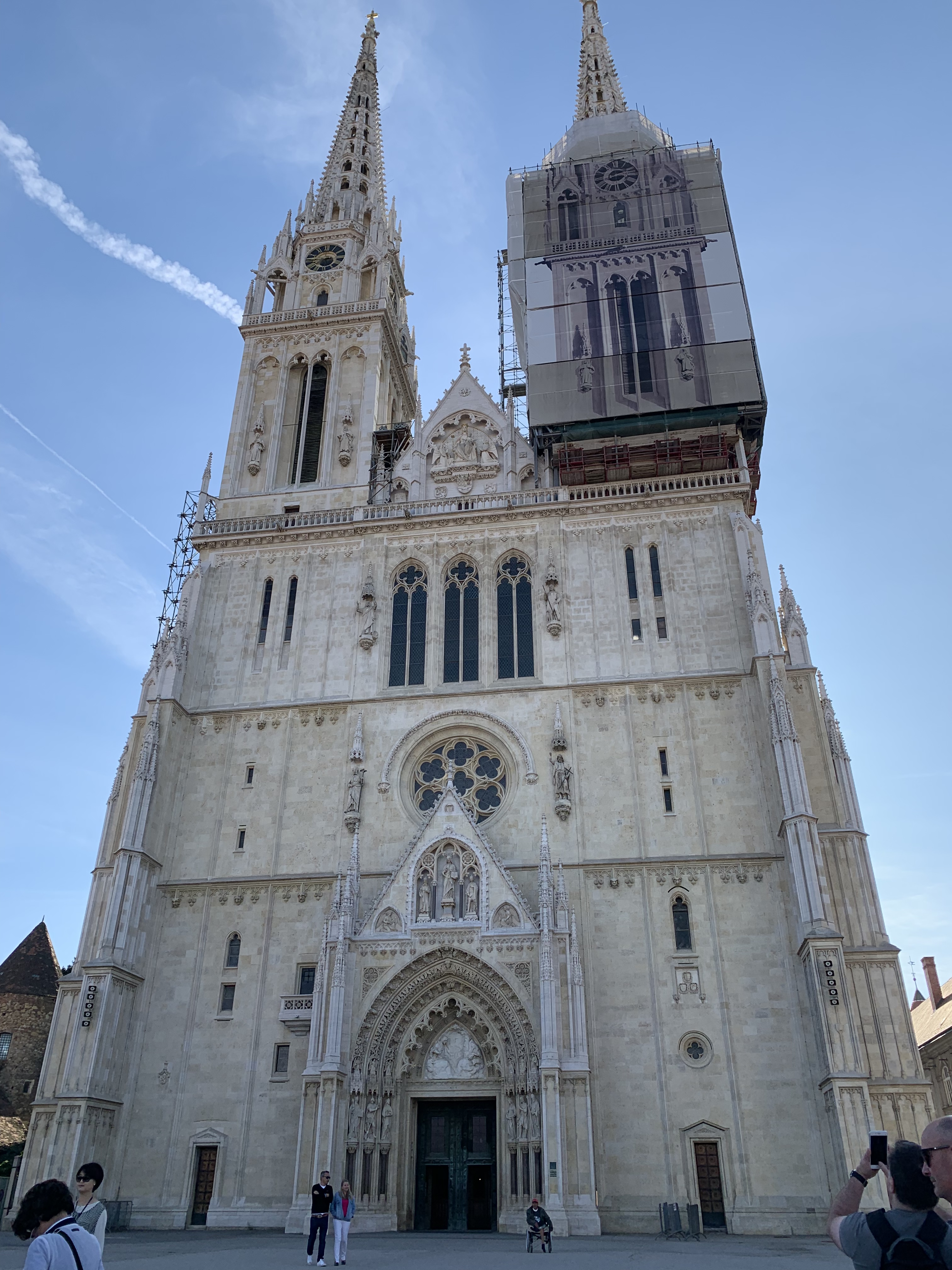
Zagreb Cathedral

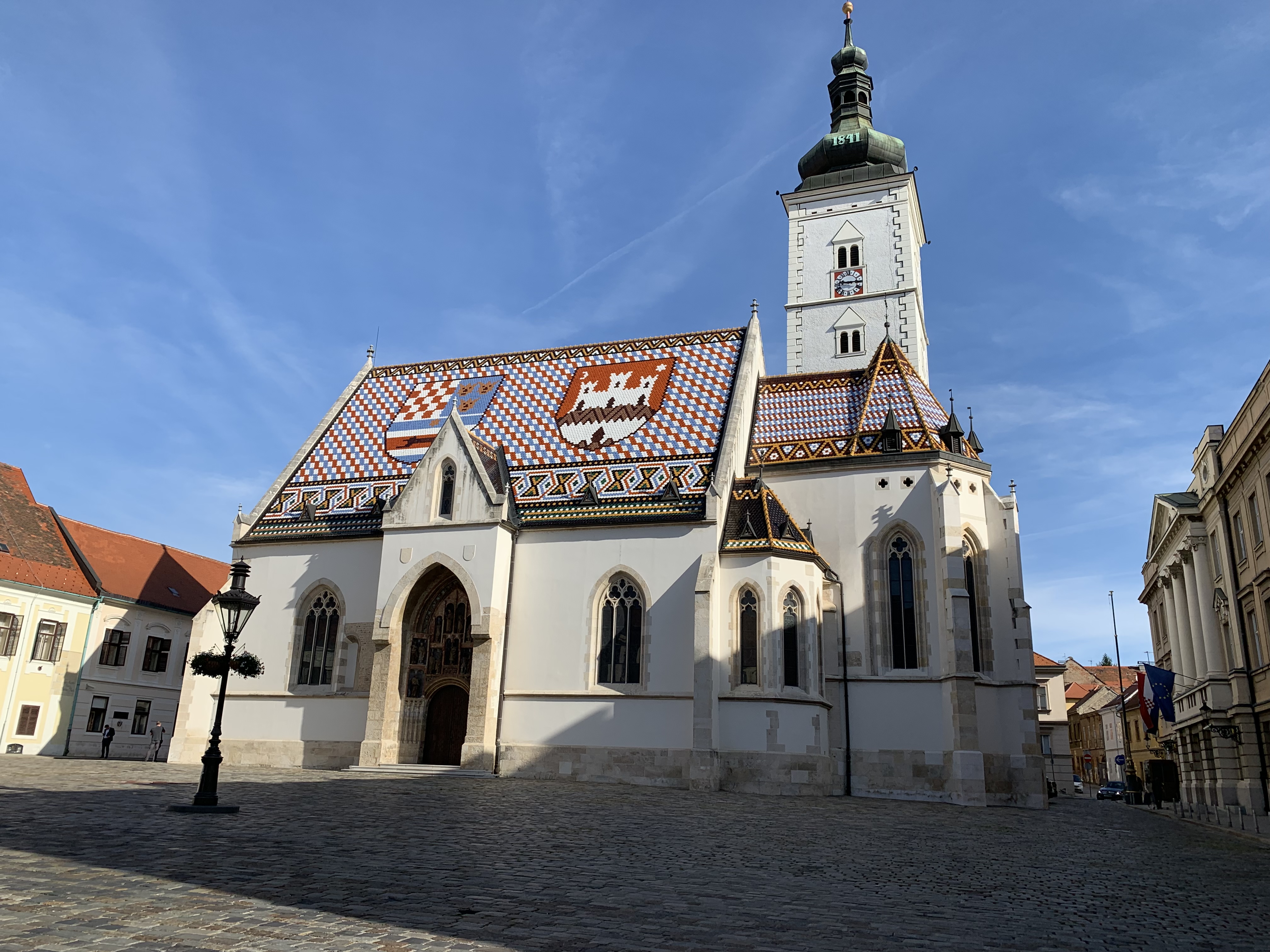
The capital city of Croatia, an interesting city with plenty to see. There’s lots of history and winding alleys to wander round with some beautiful architecture. The Cathedral is stunning. The highlight for me was the roof of St Marks Church. The Church originates from the 13th century, though the roof was redone more recently after an earthquake.

St Marks Church

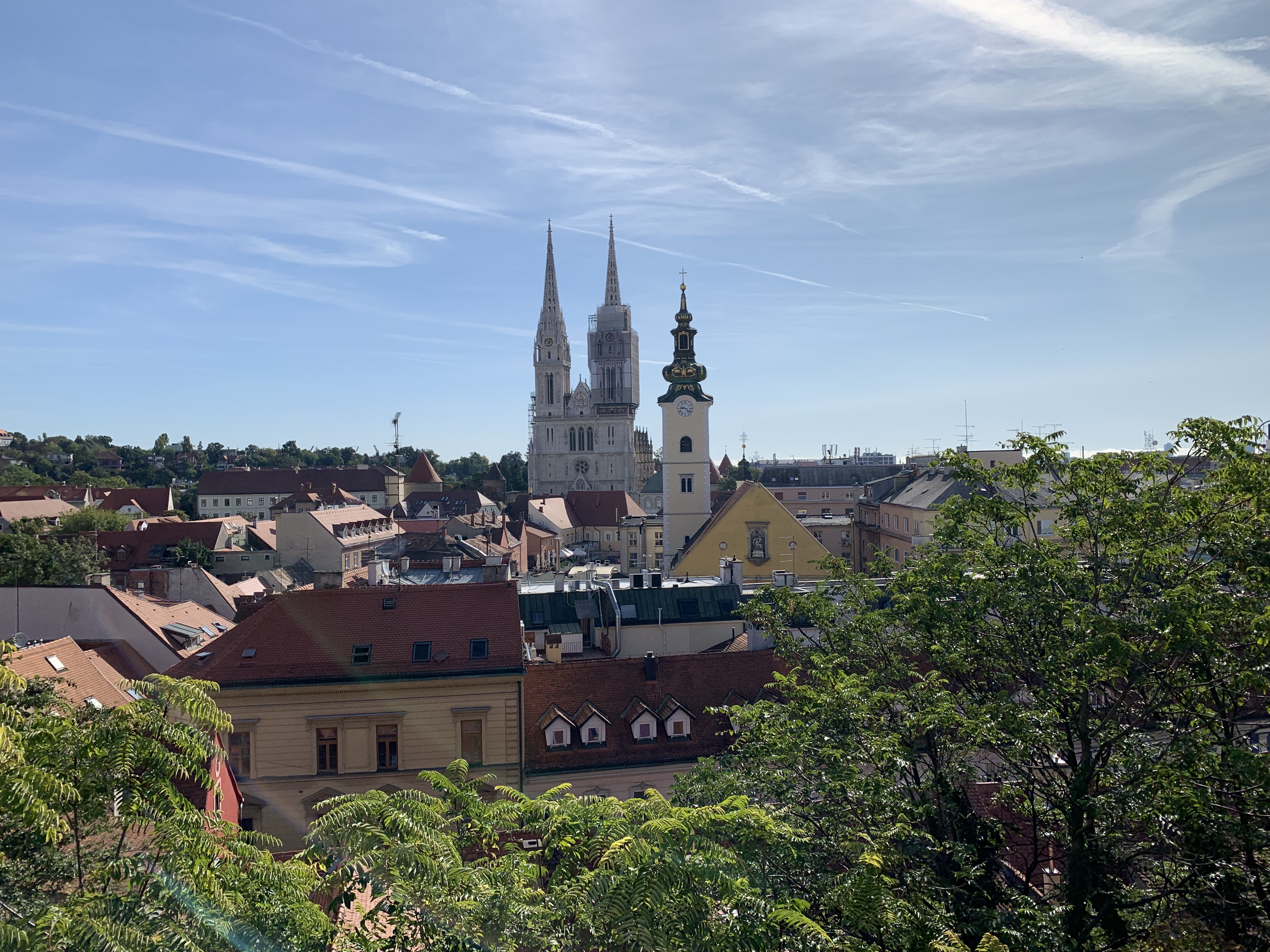
Around the corner of St Marks is a great viewpoint that provides brilliant views of the city including the cathedral.

View of the city

The old town as in most cities is much prettier than the newer area. I really like the way they’ve tried to keep tradition, in one area a man comes every evening to manually light the gas street lamps.

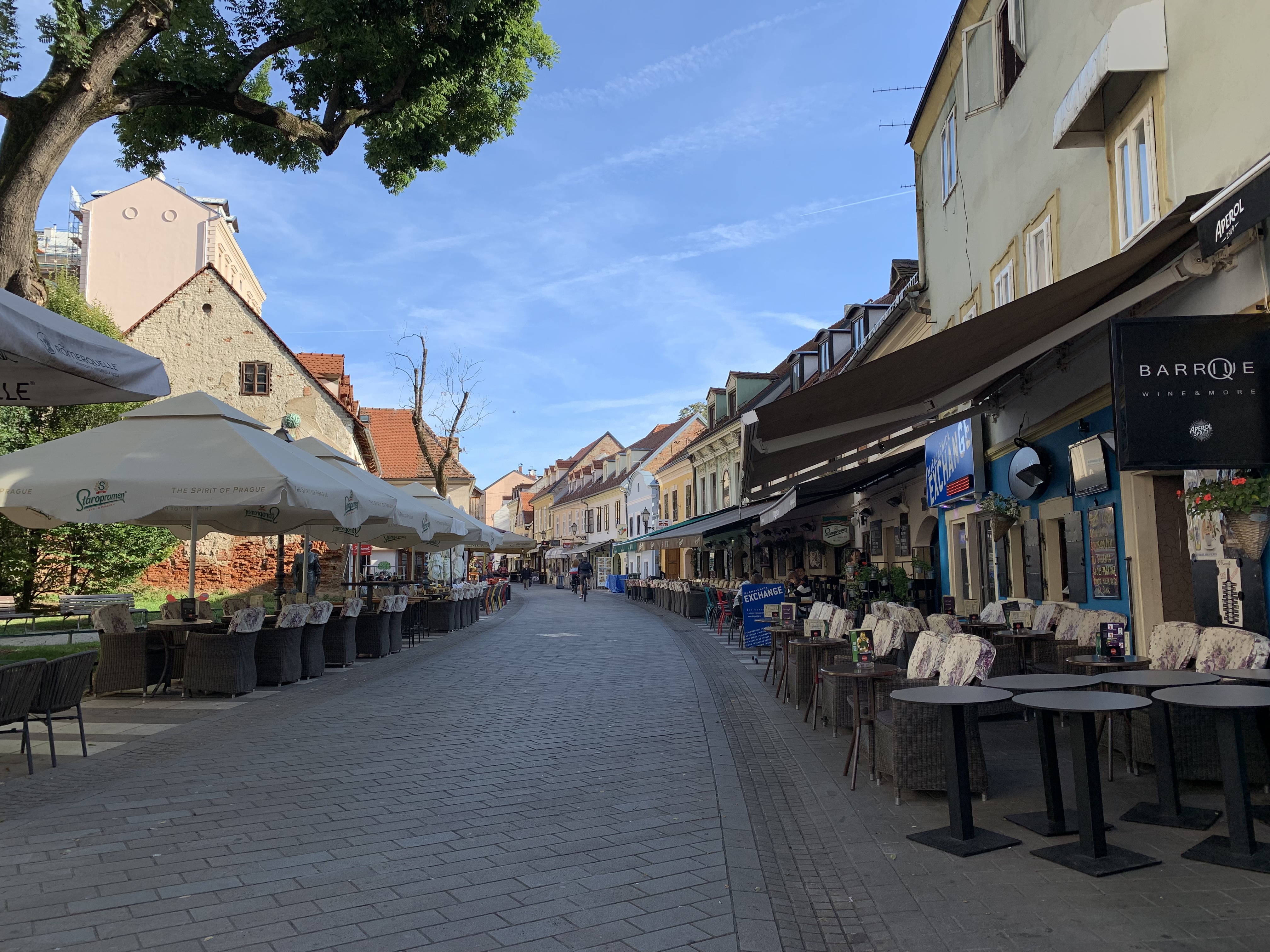
Stopping for a coffee is very popular in Zagreb. There are coffee bars everywhere. There’s also a street over 1km long that’s lined all the way with cafes and restaurants. Apparently on a Saturday evening it can be hard to find a table despite the volume. There are also a number of lovely bakeries with delicious fresh sandwiches and pastries.

Food and Drink

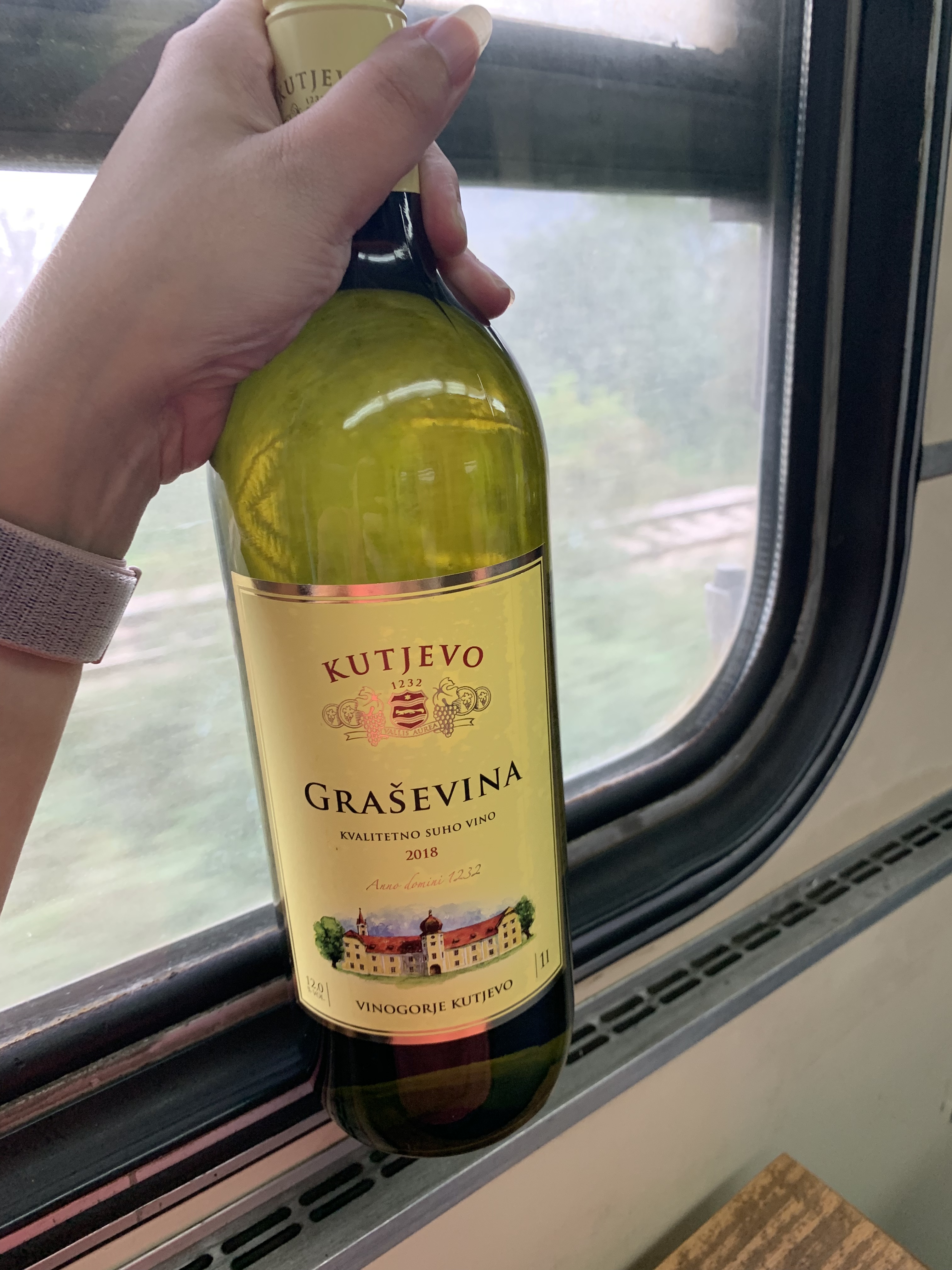
My favourite white wine in Croatia was Grasevina. Sipun was also good, the Croatian version of Sipon that I had in Slovenia – mentioned in my previous blog.

Museums

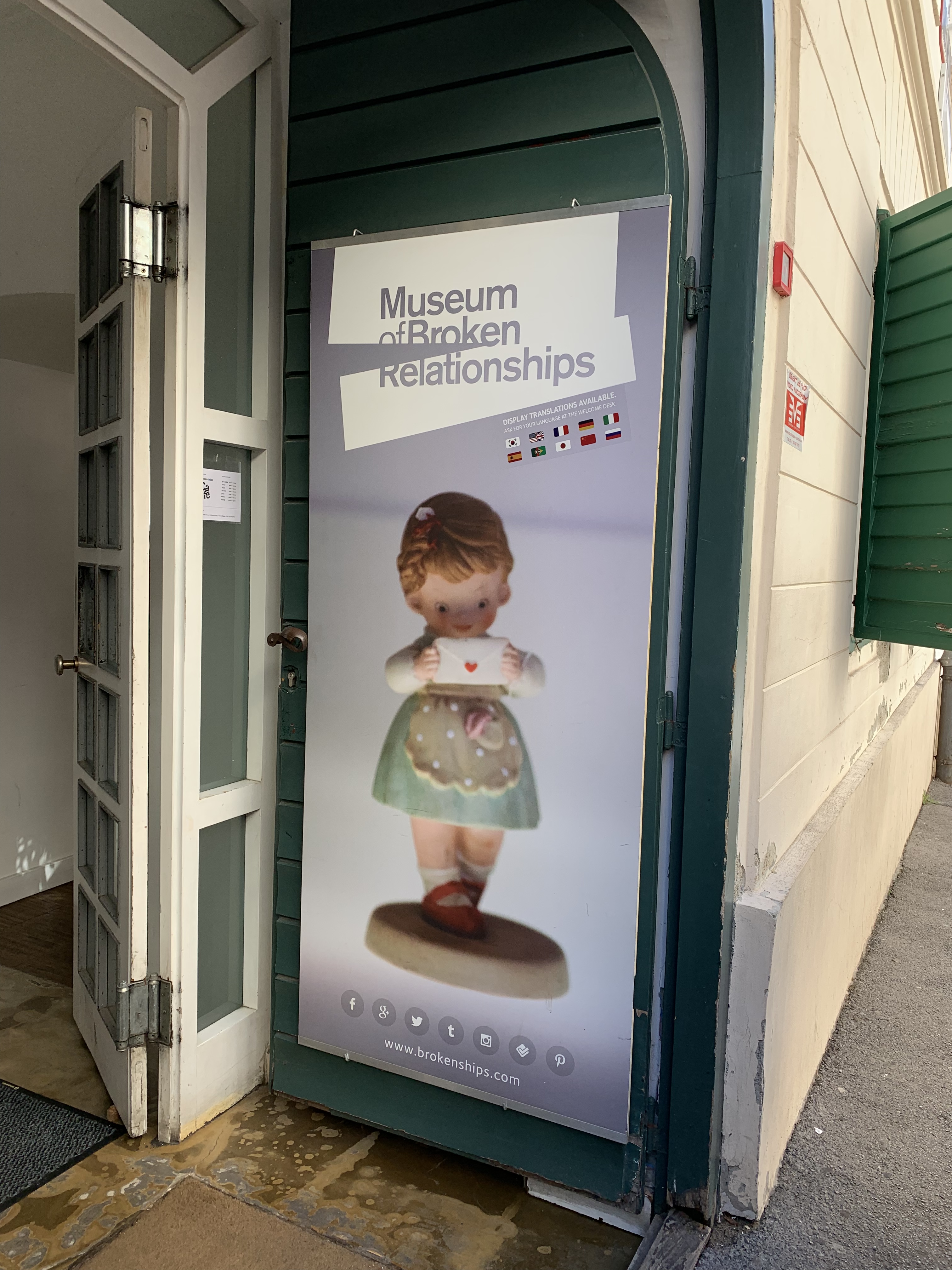
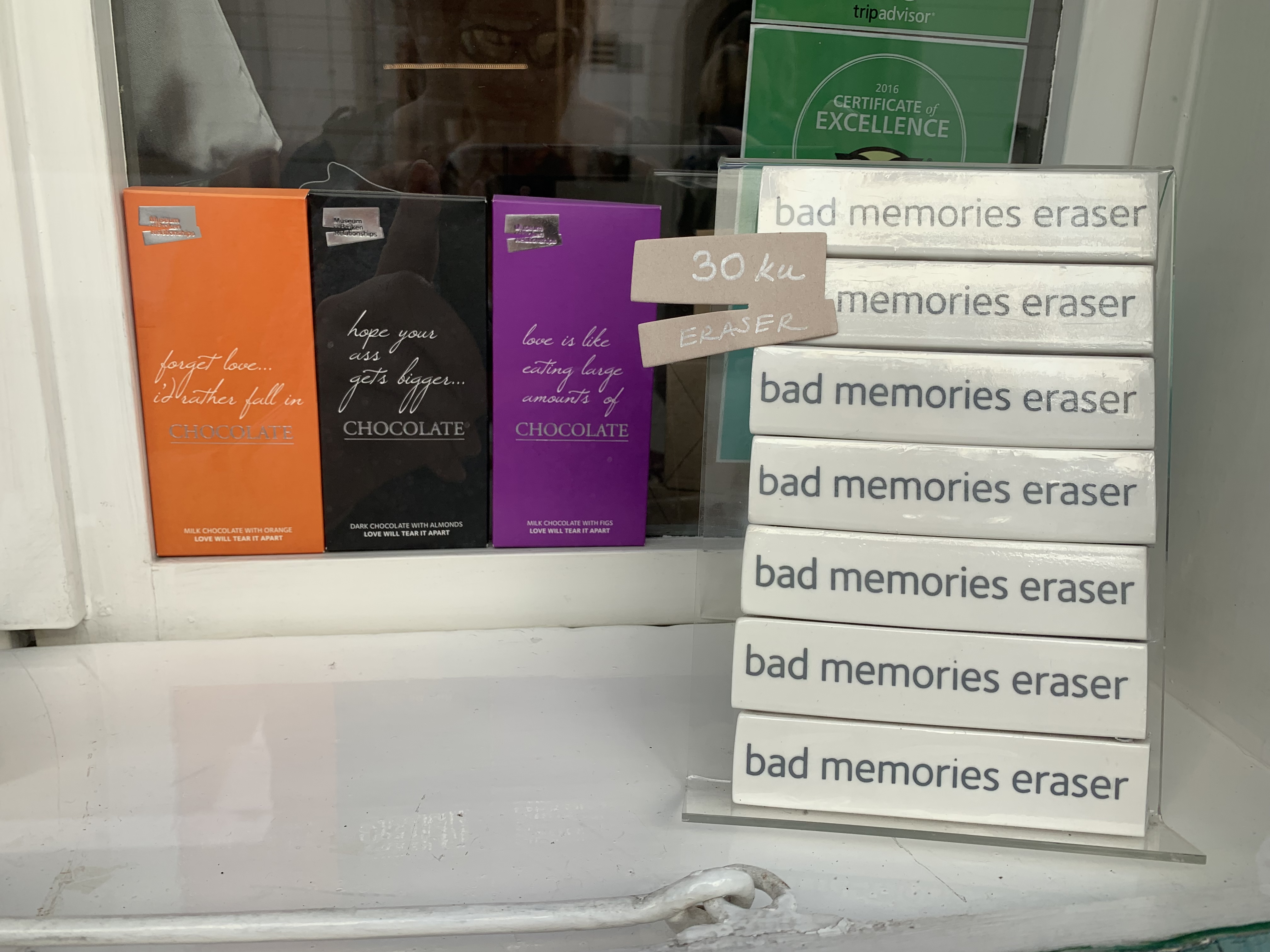
Another point of interest – for some – is the Museum of Broken Relationships! It’s the most popular and visited of all the museums in Zagreb! Apparently the exhibits get changed regularly, some examples being things people have given back once a relationship ends. Due to such success a few additional museums have opened in other countries. Entrance at time of writing is 40 Kuna.

Dubrovnik

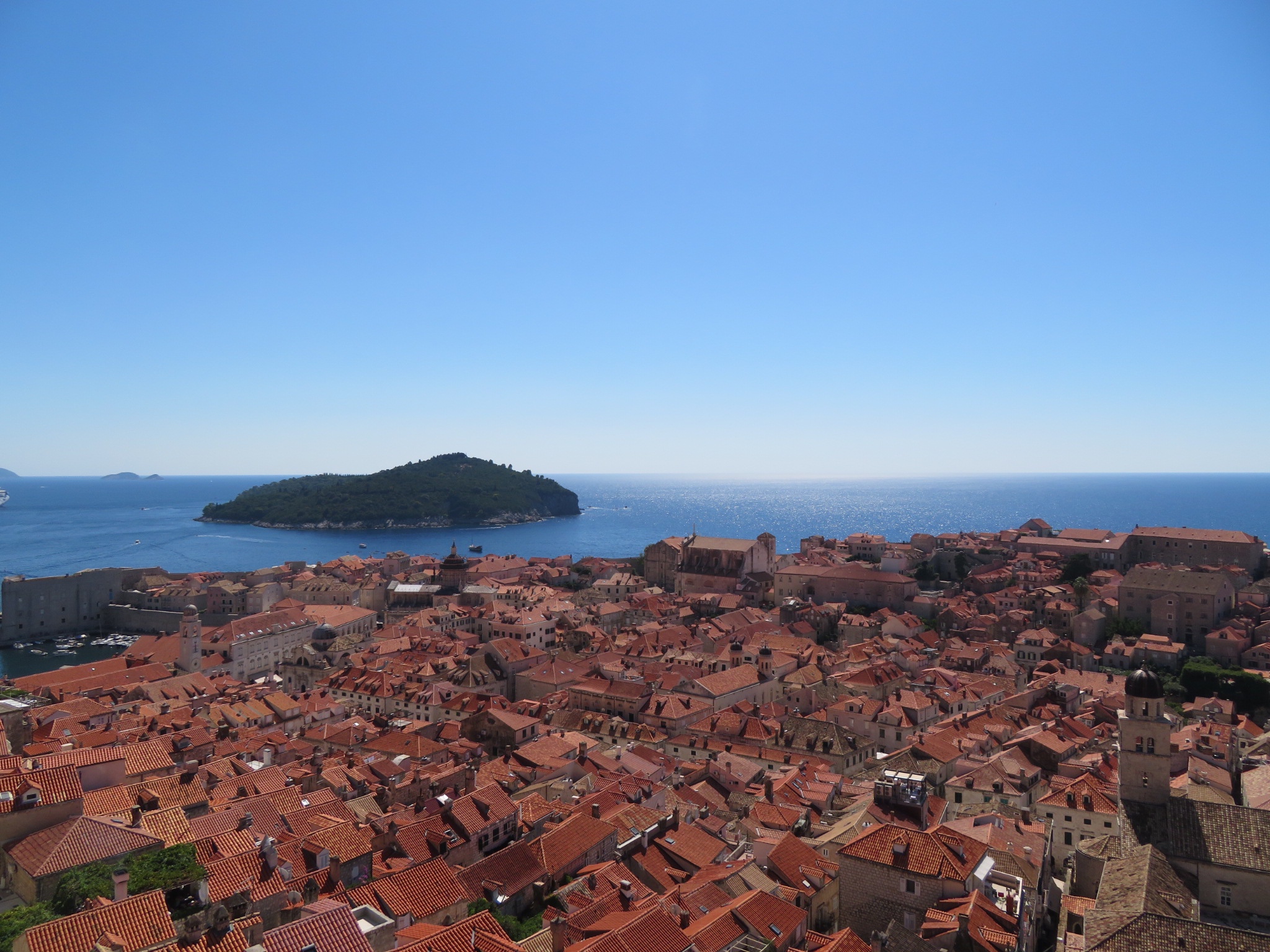
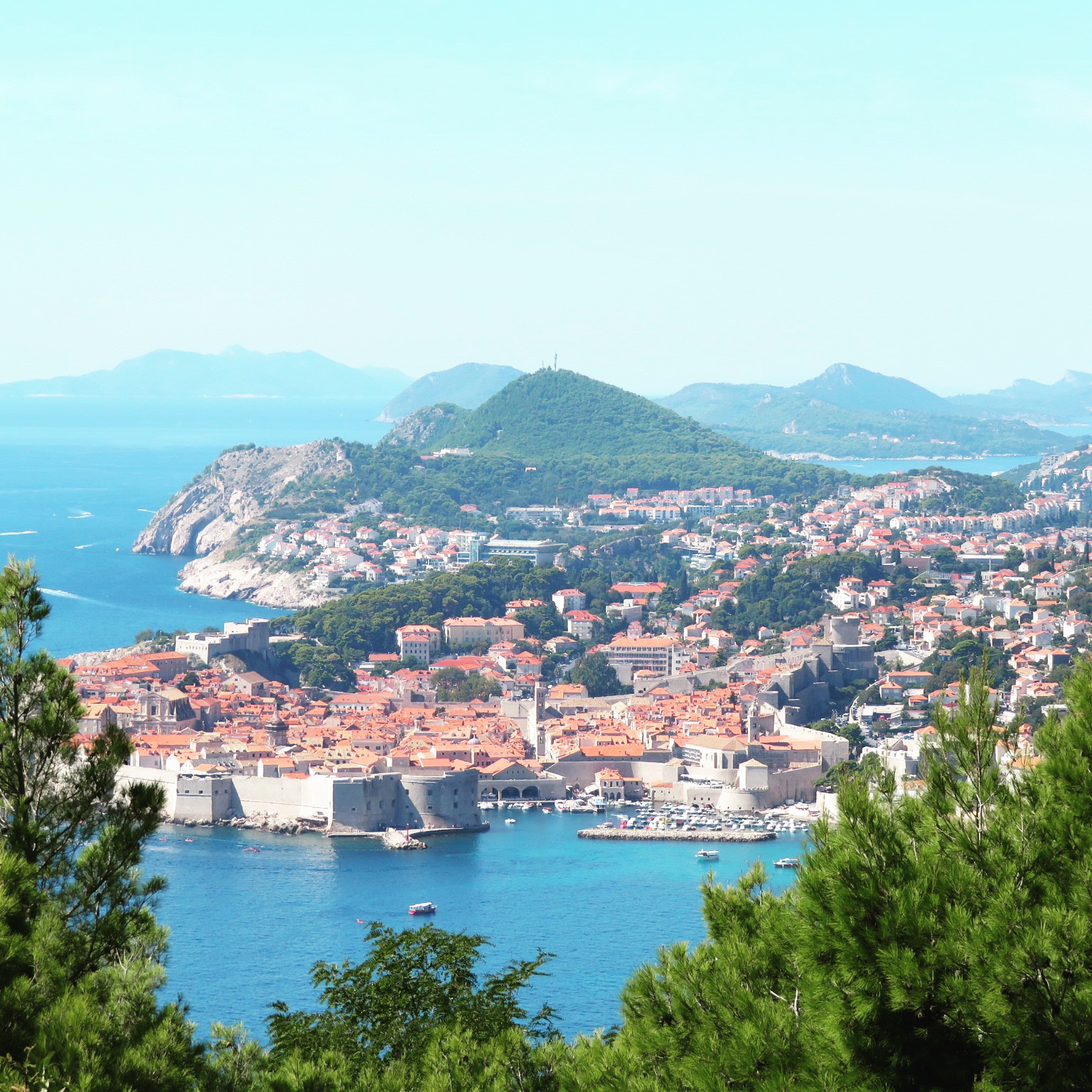
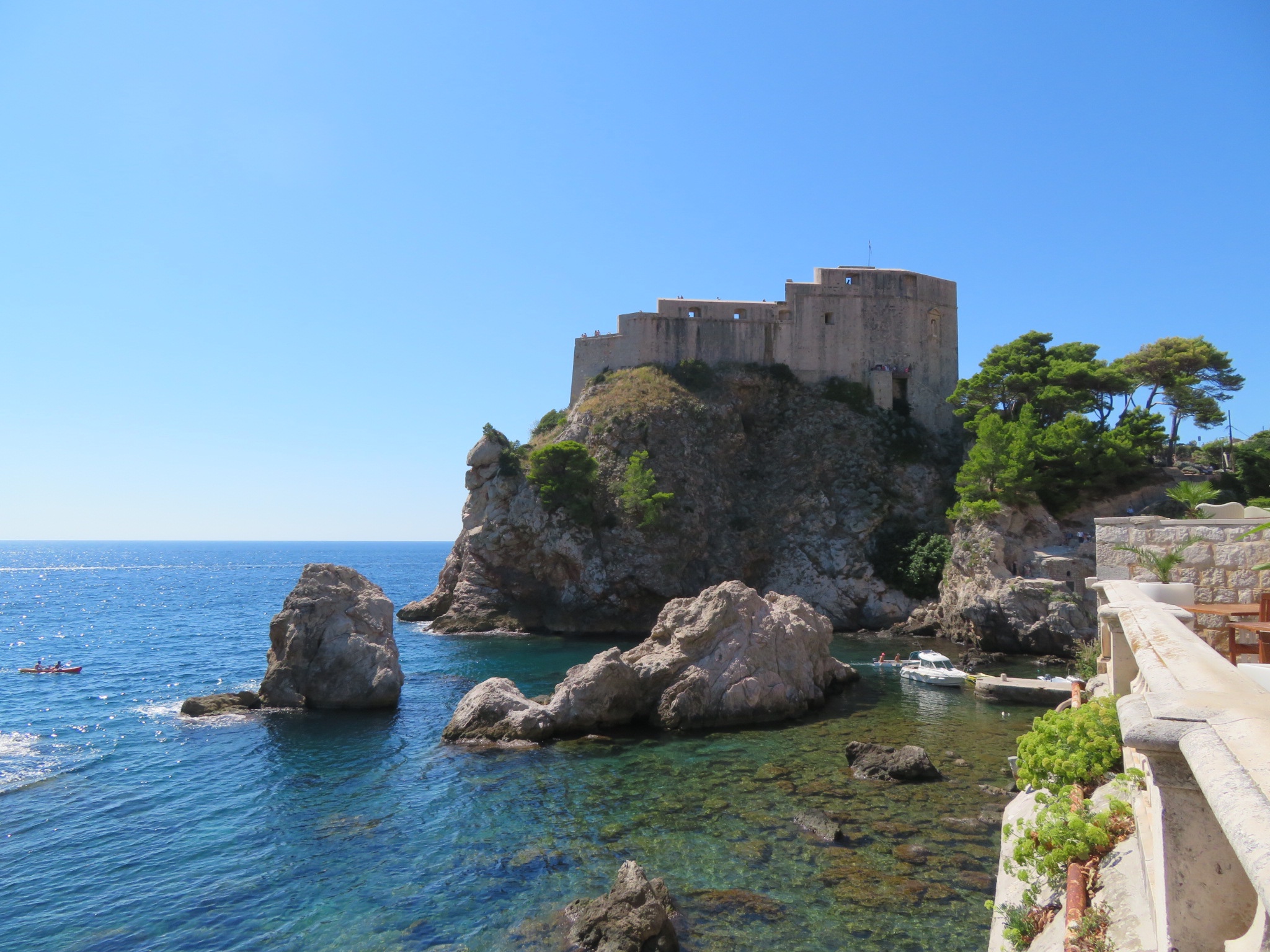
For me having watched Game of Thrones this was all about walking the wall. The cost is 200 Kuna and you can pay by cash or card. It’s worth it as the views are exceptional. Each corner you turn offering a view better than the last. You’ll end up with so many photos! Save the best until last, the view from the top is amazing looking down over all the red rooftops into the Adriatic Sea. For Game of Thrones fans it really does feel like you’re in Kings Landing! For those who aren’t, it’s beautiful, pretty and still worth a visit.

View from the wall

The narrow streets of Dubrovnik, originally designed for horses, are busy and it’s also relatively expensive. It’s had a massive increase in demand since Game of Thrones, though of course was already a UNESCO site. I only stopped for a couple of hours in the afternoon to walk the wall, which for me was the highlight of Dubrovnik. The wall was actually quieter than wandering the streets. There were still a lot of people but generally you’re able to get all the photos you want and take in the impressive views.

I stopped on the way to Montenegro for a couple of hours coming from Slovenia, via Bosnia then down the Dalmatian Coast. Bosnia and Montenegro will be in posts to follow shortly!

View looking down on Dubrovnik

There were 3 cruise ships pulled in at the time so a lot of people in a small place. I guess the evenings and early mornings must be much quieter if you want to avoid the crowds. For me a couple of hours was enough time to see Dubrovnik but there is plenty to offer if you want to stay for longer.

Of course a Game of Thrones tour if that’s your thing. There’s the Franciscan Church and one of the oldest pharmacies in the world, which is now a museum. The Rectors Palace is good too, and there are a number of other museums and sites. The funicular railway to get great views over the city. The sea of course is lovely, though the Adriatic has a high salt content. And there’s kayaks and boats for hire too.

Historically with the coastline Dubrovnik has always had a strong trading income as well as salt mining.

The Practical Stuff

The currency is Kuna, even though Croatia is part of the EU. The exchange rate at time of writing is just over 8 Kuna to the Pound. A number of places take cards and it’s easy to find ATM’s and exchange offices. As usual I recommend a Starling bank card for the great rates at the cash point with no fees. You also get 0.5% interest for any positive balance up to £2000.

https://www.starlingbank.com/

Tap water is safe to drink. There are plenty of fountains around town where you can fill up your water bottle with fresh water. The Croatian’s encourage it now to be environmentally friendly and are also keen to share that they have such great natural water and springs in Croatia.

For comparison, a sandwich in a bakery in Zagreb costs around 15 Kuna, the same sandwich in Dubrovnik is around 35 Kuna.

Thank you is Hvala Vam, very similar to Slovenia, it means thank you to you. Molim is you’re welcome.

Next country – Bosnia!

Slovenia – The only country in the world with love in the name!

To travel is to live

– Hans Christian Andersen

Ljubljana – The capital city is a small and beautiful little place. Ljubljana also translates to mean loved, and the people are friendly and passionate! I visited in September, it was rainy and cool for a couple of days with the sun coming out on the last day. A couple of weeks of 20-25 degrees was due to follow though so I think I was just unlucky with the weather.

History: Slovenia is obviously still a very new country, being independent since 1991, having previously being part of the former Yugoslavia. A number of locals I spoke to were born in Yugoslavia and remember the war. They feel like a small country, who needs the help of others as they used to be part of something larger. Though are aware that they should be more proud as they have a beautiful country that is worthy of their appreciation, and to be fair, I think the appreciation of others too.

The impact of War was not as long in comparison to some of the other countries in the former Yugoslavia. Slovenia was the first country to ask for its independence. Shortly after it was granted war broke out. The local people are grateful it ‘only’ lasted ten days. They recognise it as a distressing time yet empathise with there neighbours who experienced some much longer periods of unrest.

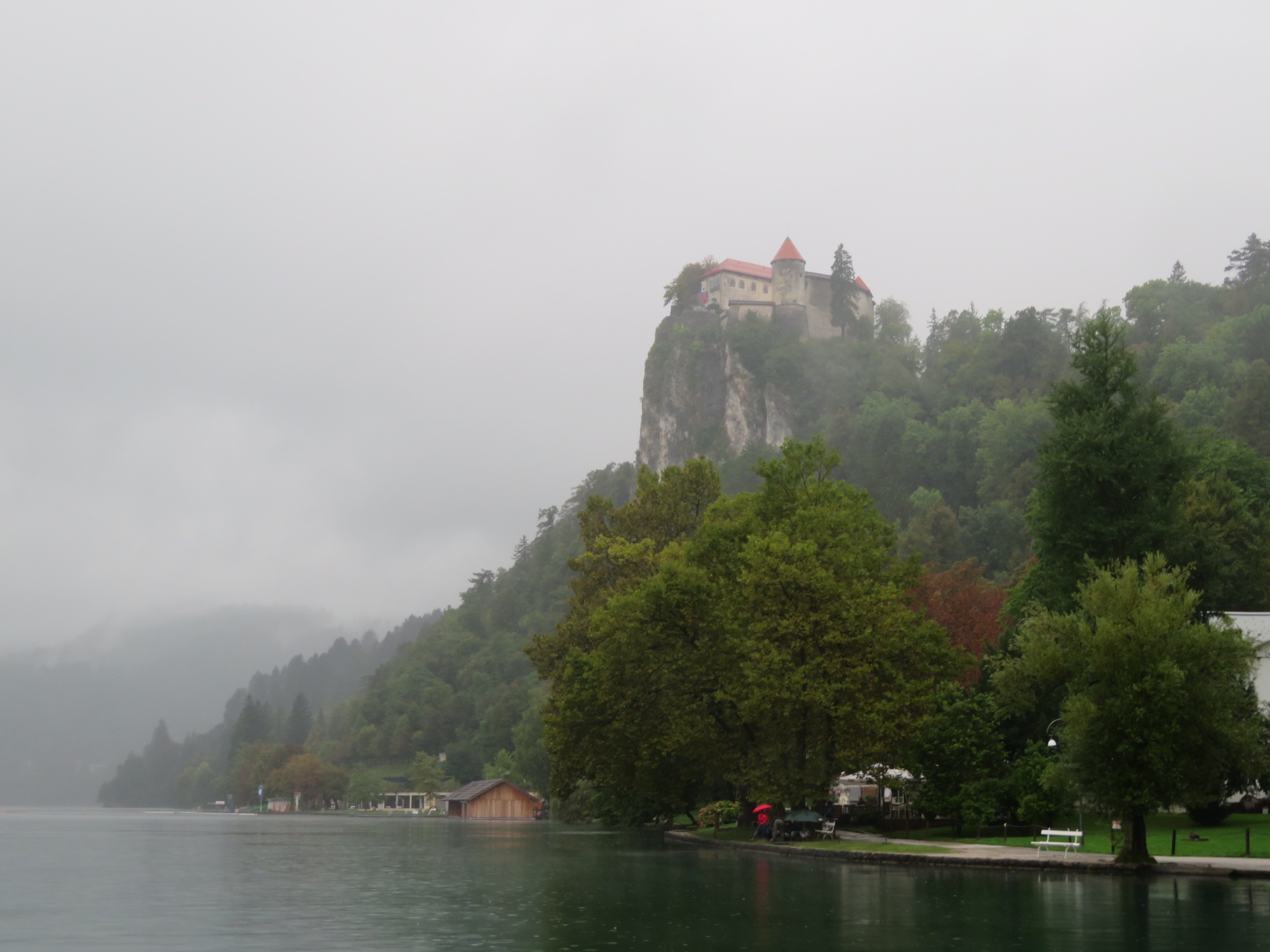
View from Lake Bled up to the castle

City Tours: There are many walking tours of the city and whilst it’s easy enough to get around on your own you get much more local history and insight from the guides than you would get from a guidebook or online, I would definitely recommend booking one.

I would also recommend spending more time on the traditional, Medieval side all of the city. It is obviously the area with more history and prettier architecture than the newer side of town, which could be anywhere with its chain stores. It’s also much livelier and in my opinion more vibrant than the modern side of town which is over the bridges.

Sure it would look better with a blue sky but still very pretty!

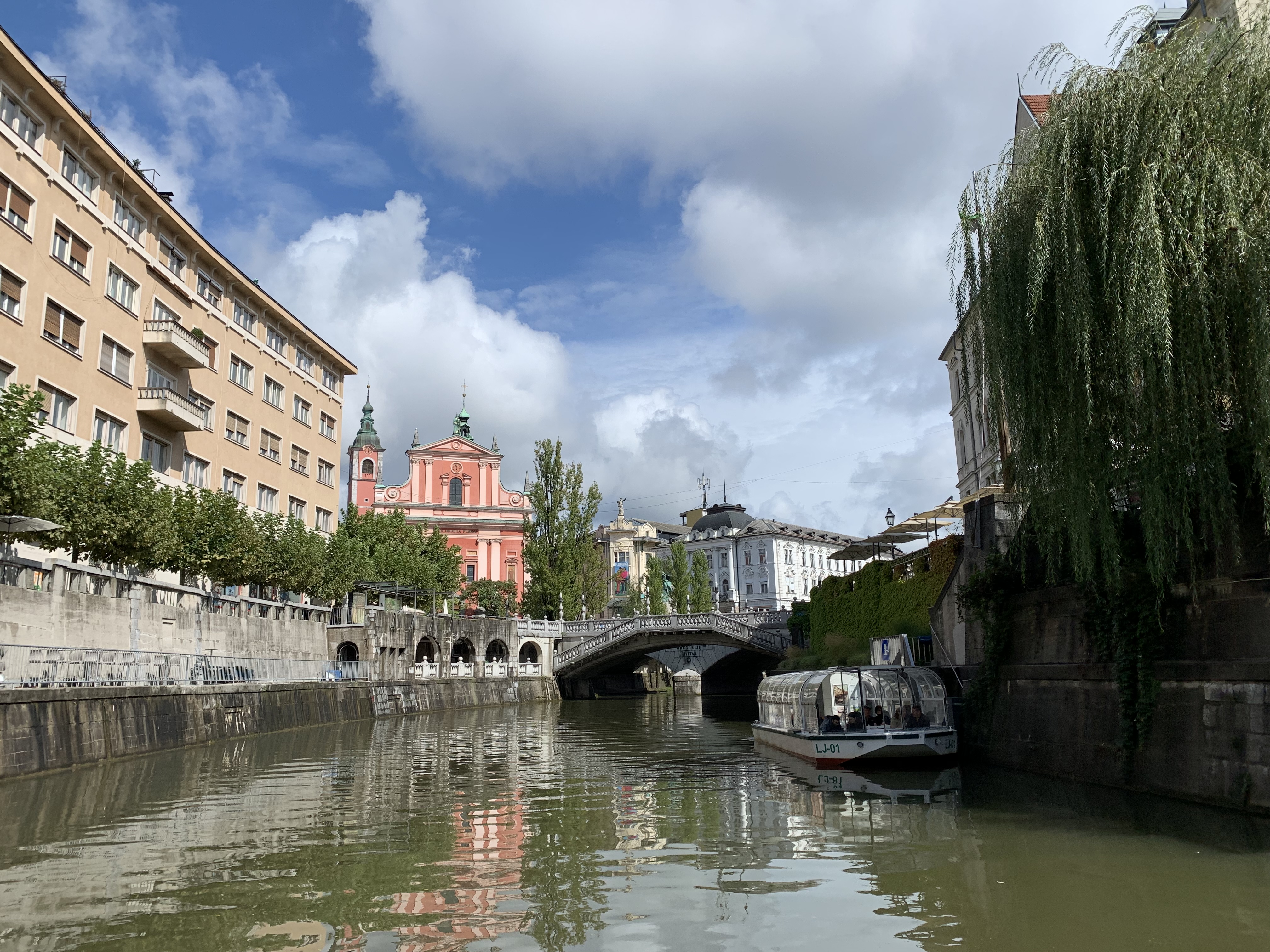
A River boat tour is another way to see the city from a different perspective. It’s 10 Euro’s for a tour which is a little under an hour. They leave from a few different points throughout the city. I started mine and bought tickets from butchers’ bridge. The scenery was beautiful and you go out a little beyond the city. The captain was also very knowledgeable and shared some interesting information about Ljubljana.

The sun came out for my river tour!

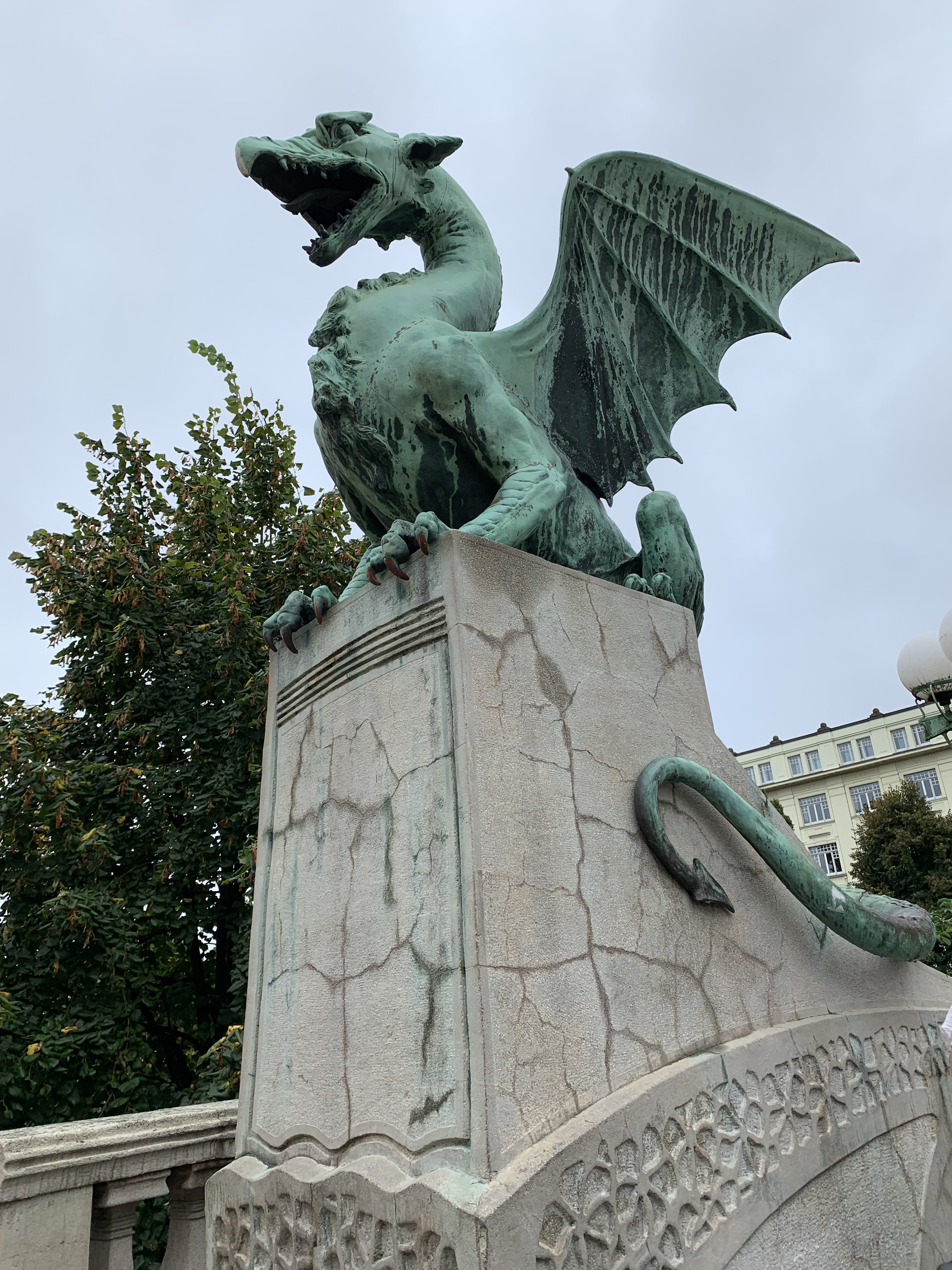
There are three Bridges which cross the Ljubljanica river. Dragon bridge translates to zmajski most – the dragon is the protector of the city. There is also Butchers’ bridge and Cobblers’ bridge, where people used to sell meat and shoes. Traders used to use the bridges to avoid paying taxes.

Dragon Bridge

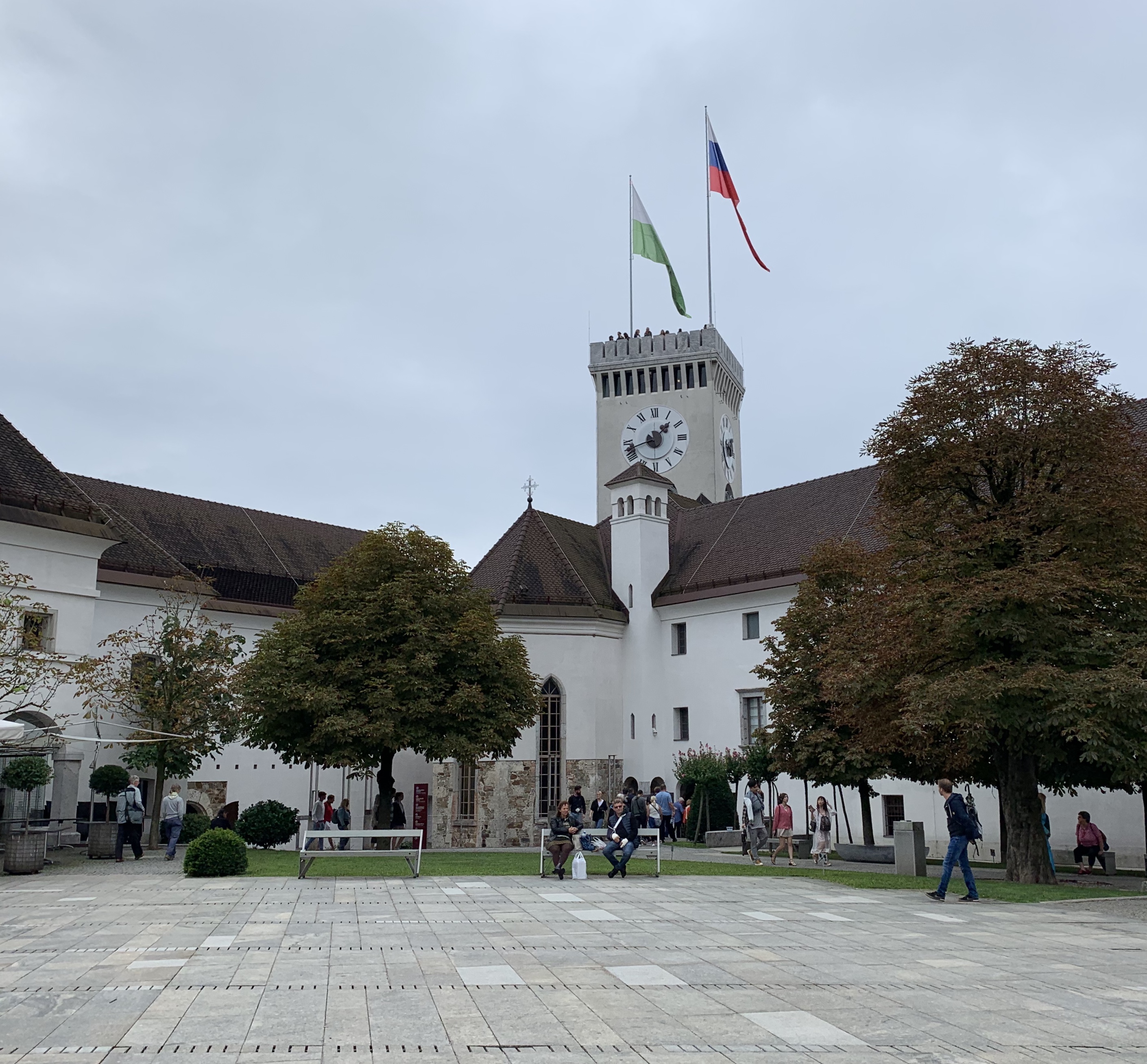
The castle in Ljubljana is a walk up a fairly steep switch back path, or you can get the funicular railway. It’s worth the walk for the view at the top. It’s free to enter the courtyard, with a charge if you want to go up to the tower and inside the museum. Personally this isn’t the most impressive castle I’ve seen. They’ve added in an ultra modern cafe with a floor to ceiling glass windows. It looks too modern and out of place and I think it spoils the original feel of the castle. The castle at Bled is much more impressive, in my opinion, though I believe it’s still worth the walk up.

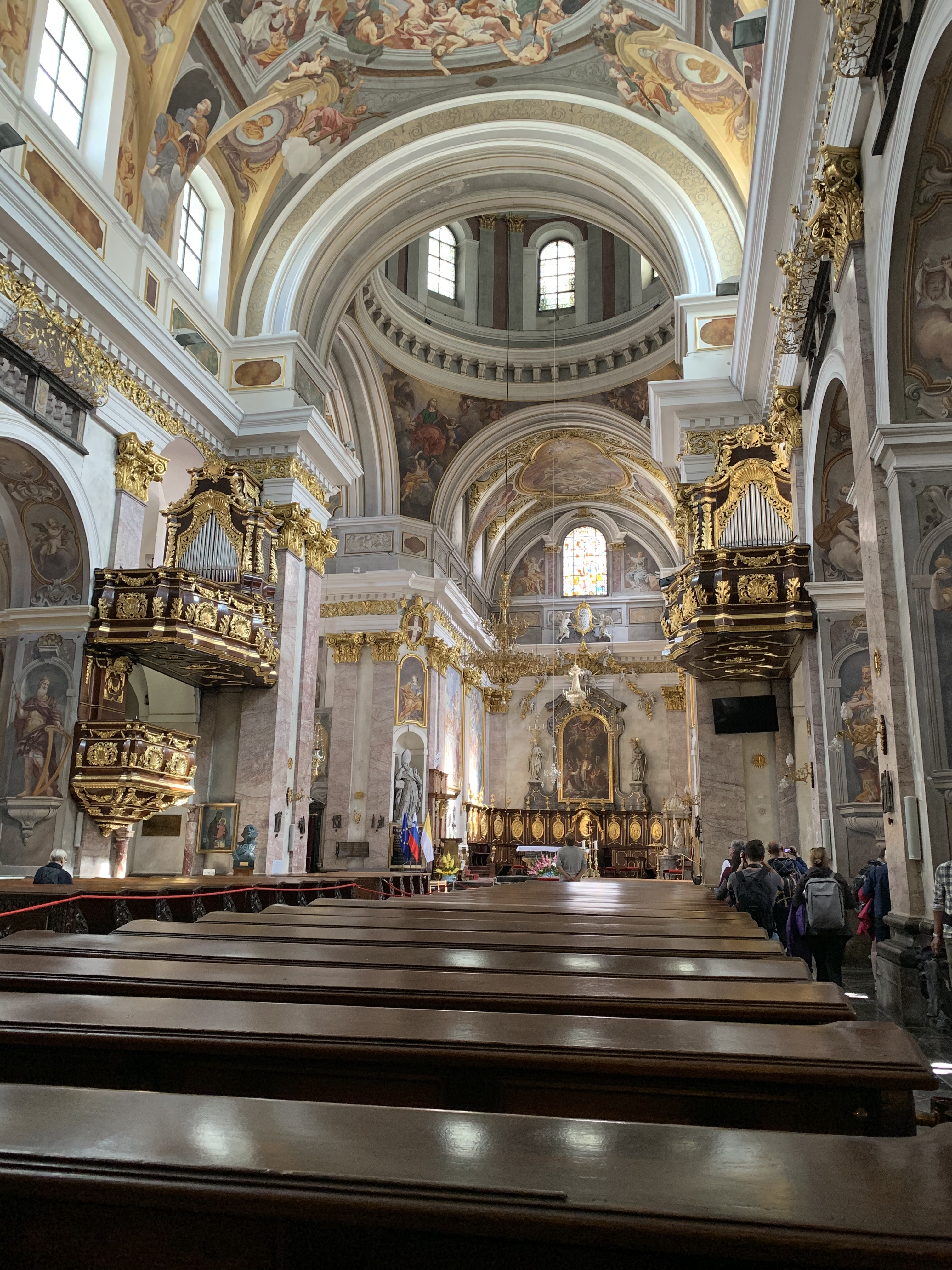
The cathedral officially called St. Nicholas’s cathedral is beautiful and worth the 2 Euro’s charge to enter. The doors are extravagant and designed to look like they are as old as the cathedral itself, however, they were added in 1996.

Inside the Cathedral

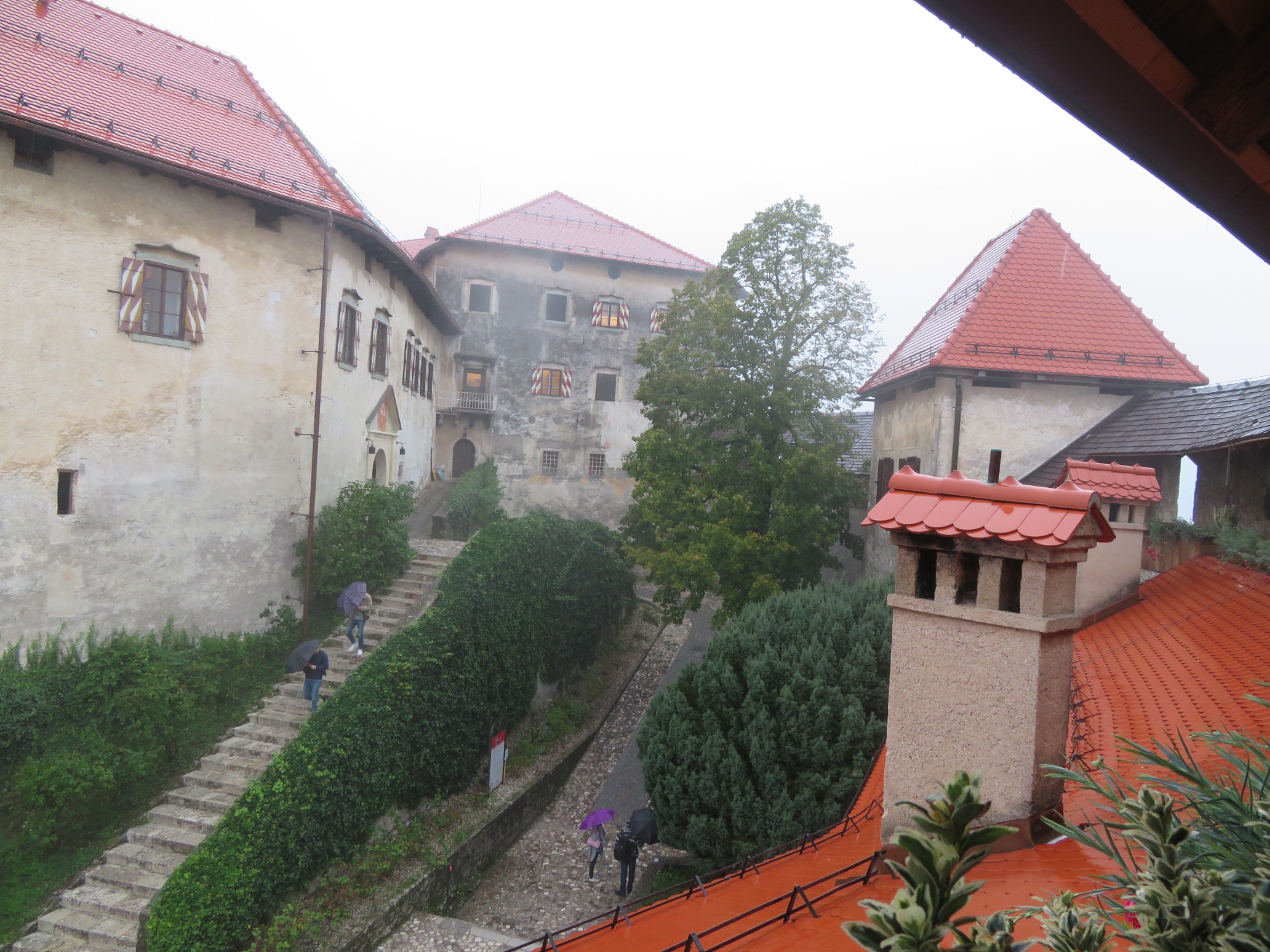
Lake Bled: The number one attraction while in Slovenia! My time in Lake Bled was unfortunately rainy, foggy and a bit cold. It was still beautiful but the lake didn’t glisten in the sun with a clear view of the island as I’d hoped. That said, despite the weather it was still worth the visit. The lake looks so perfect it’s difficult to believe it’s not man-made. I also loved the castle. It’s beautiful and well maintained, an interesting place to walk around.

Foggy Lake Bled

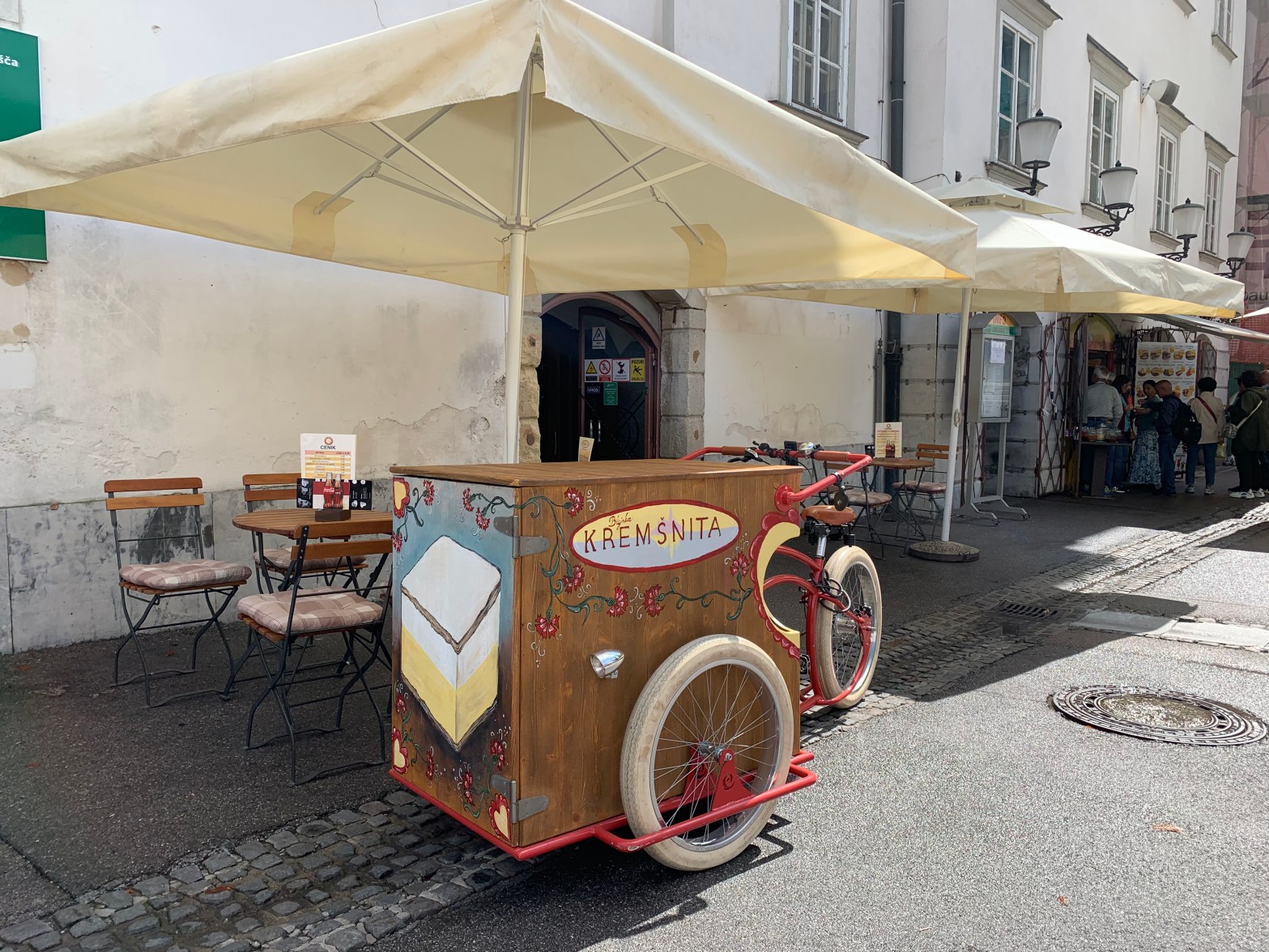
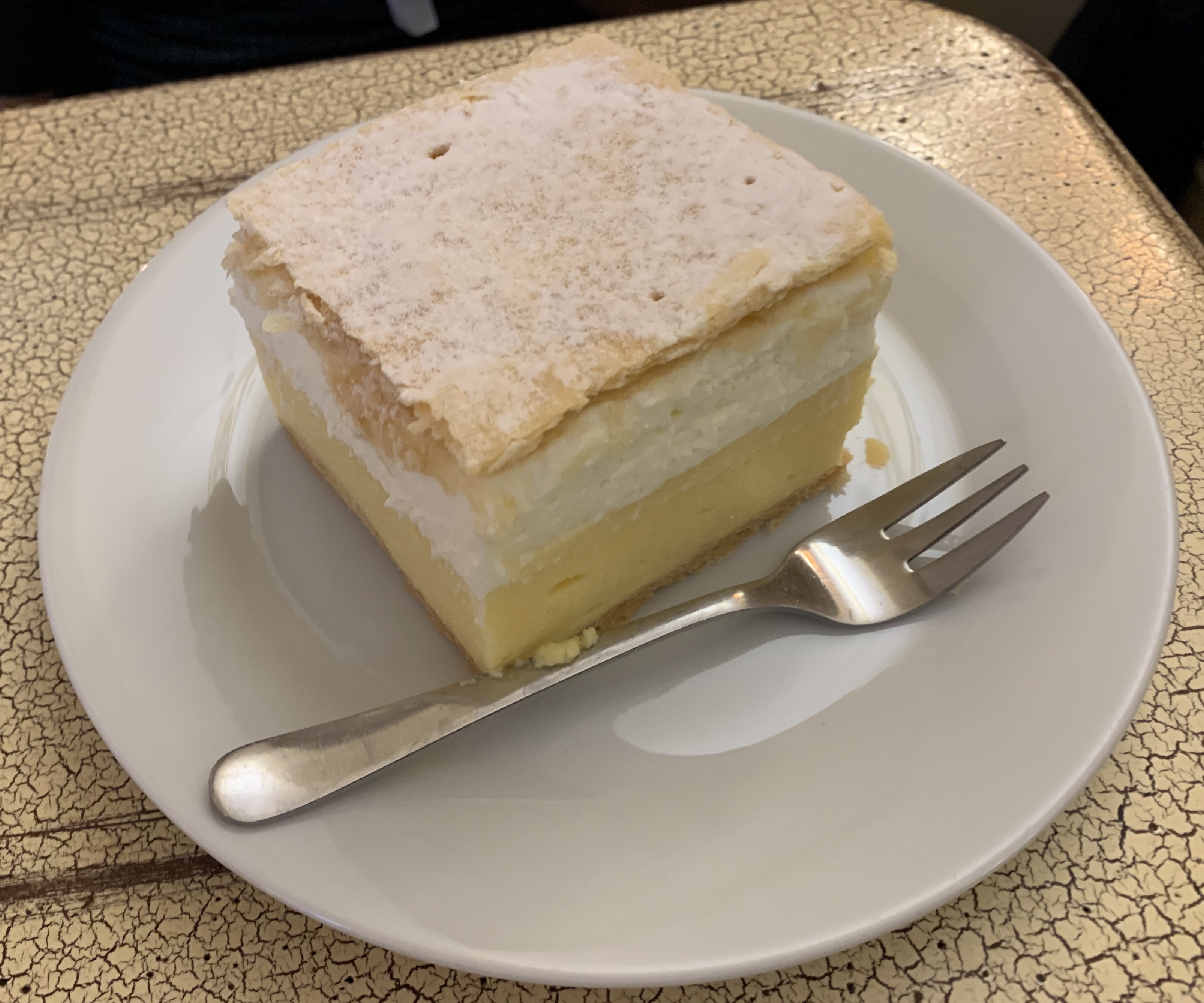
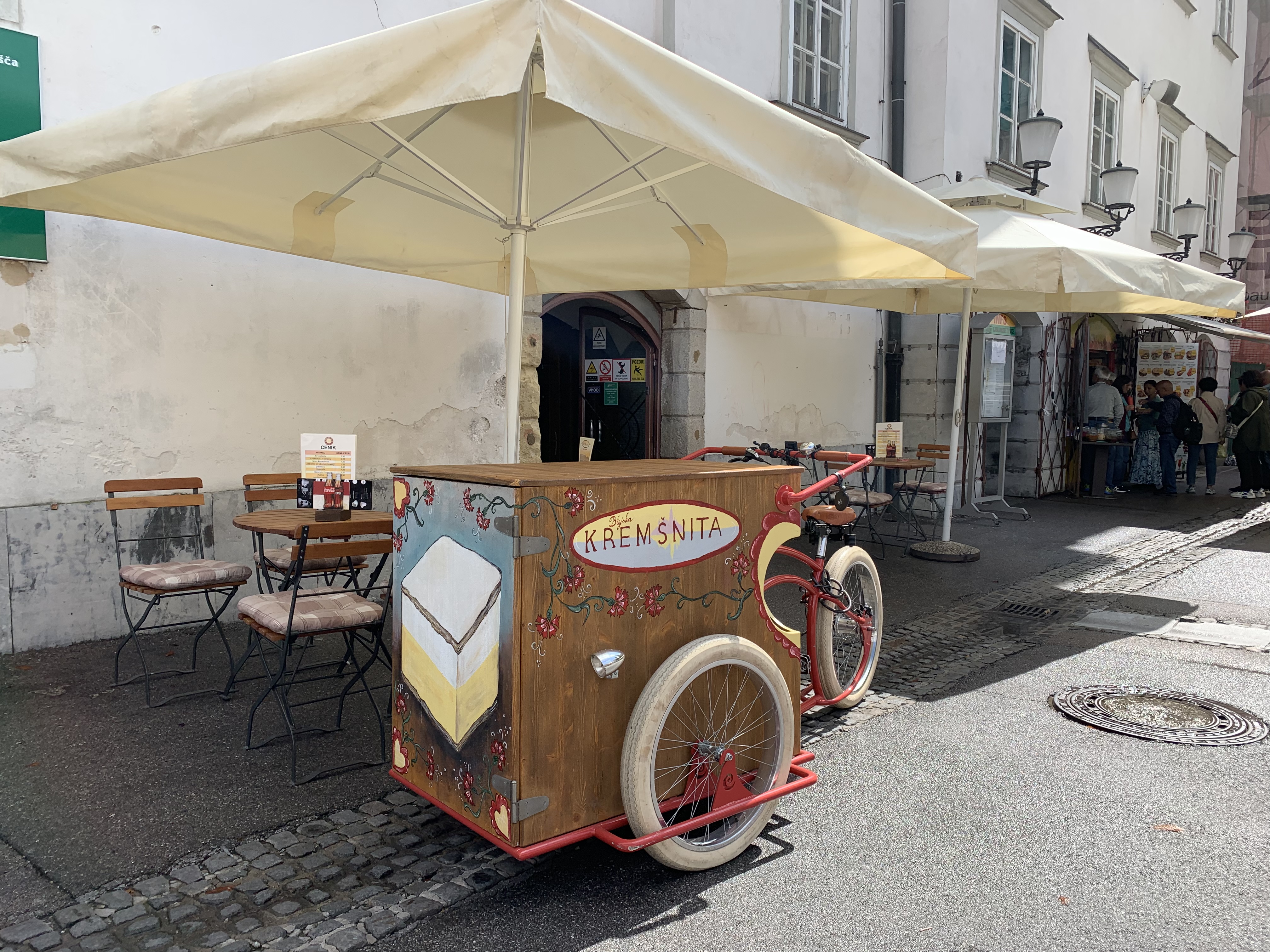
From Ljubljana everywhere charges around 70 Euro’s per person for a half day tour. This includes the drive there and back which is about an hour each way; entrance to the castle with just over an hour to wander around it, and of course the famous view of the lake. Then a couple of hours to walk around the lake, go for a coffee and try the famous cream cake – Kremsnita. You also get a great view up to the castle from the lake. It’s possible to get a boat out to the island, but you would need a longer tour to do this.

Kremsnita – local cream cake – a must try whilst visiting Lake Bled!

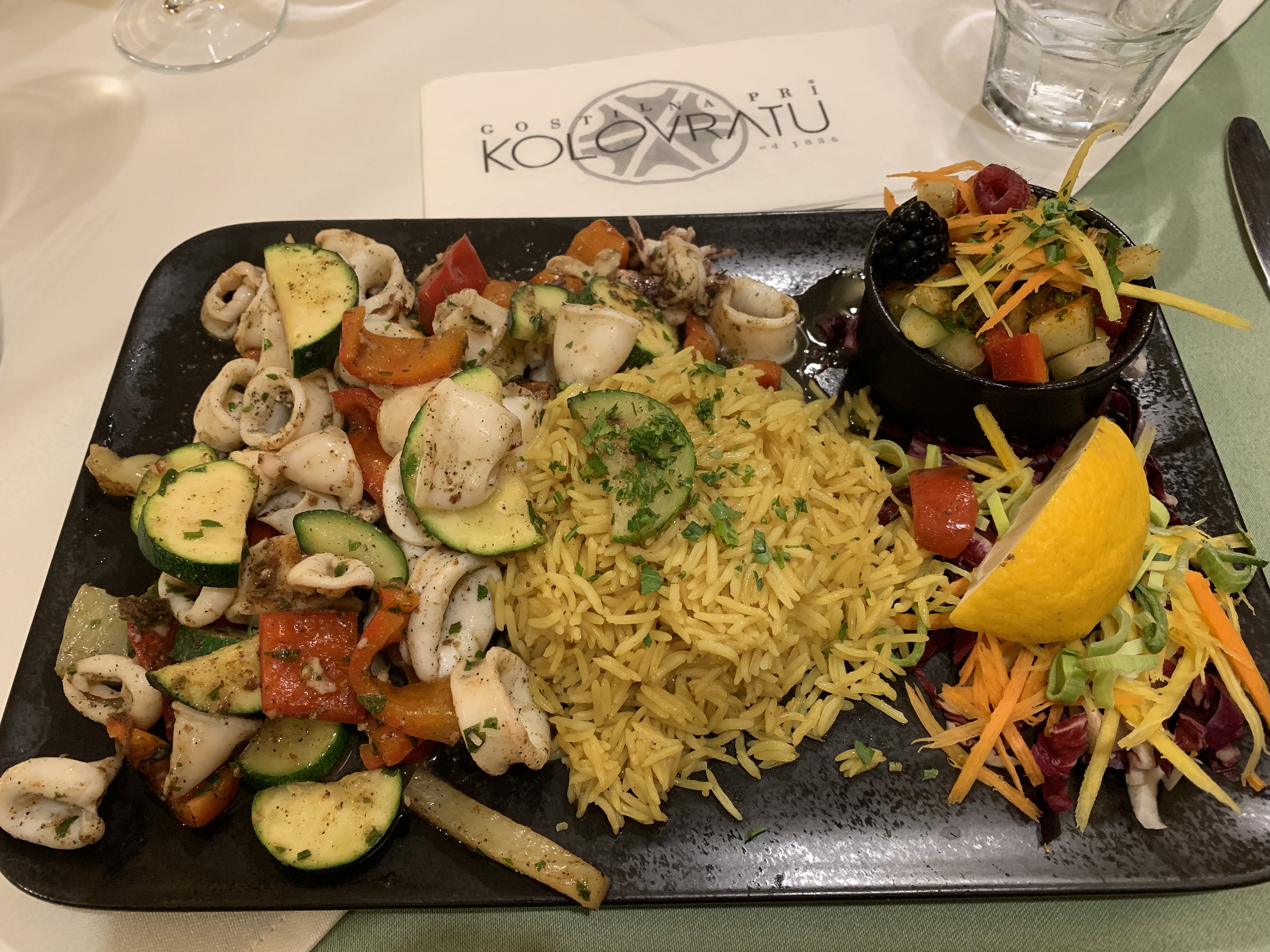
Food and drink: without exception all my meals were delicious. Portion sizes are generous. My favourite meal was in a restaurant called Kolovratu, on the traditional side of the city near the cathedral. The food was so fresh and the manager really knows his wine and what will compliment each dish. As well as his after dinner liqueurs! A lot of fun and delicious food!

Fresh Calamari

Another good restaurant nearby is called Gujzina. Again great food and a good choice of wine. Whilst the portion sizes for food tend to be on the generous side they’re anything but for wine, with a standard glass being 100ml. They aren’t expensive though. A delicious good quality meal, with a few glasses of wine costs around 25 Euro’s.

There’s a really good wine shop selling local Slovenian wine and liqueurs in the traditional part of the city. Not too far from the cathedral or the two restaurants I mentioned. They let you try with no obligation and are very knowledgeable if you have any questions about the local wines.

Local Slovenian Wine and Liqueur shop

Slovenia is famous for honey and wine and choices are plentiful. If you like white wine I recommend Sipon. It’s dry and a local Slovenian wine. If you prefer red, Epoca Ferdinand is lovely. The honey liqueur is also really nice, I much preferred to the local blueberry schnapps.

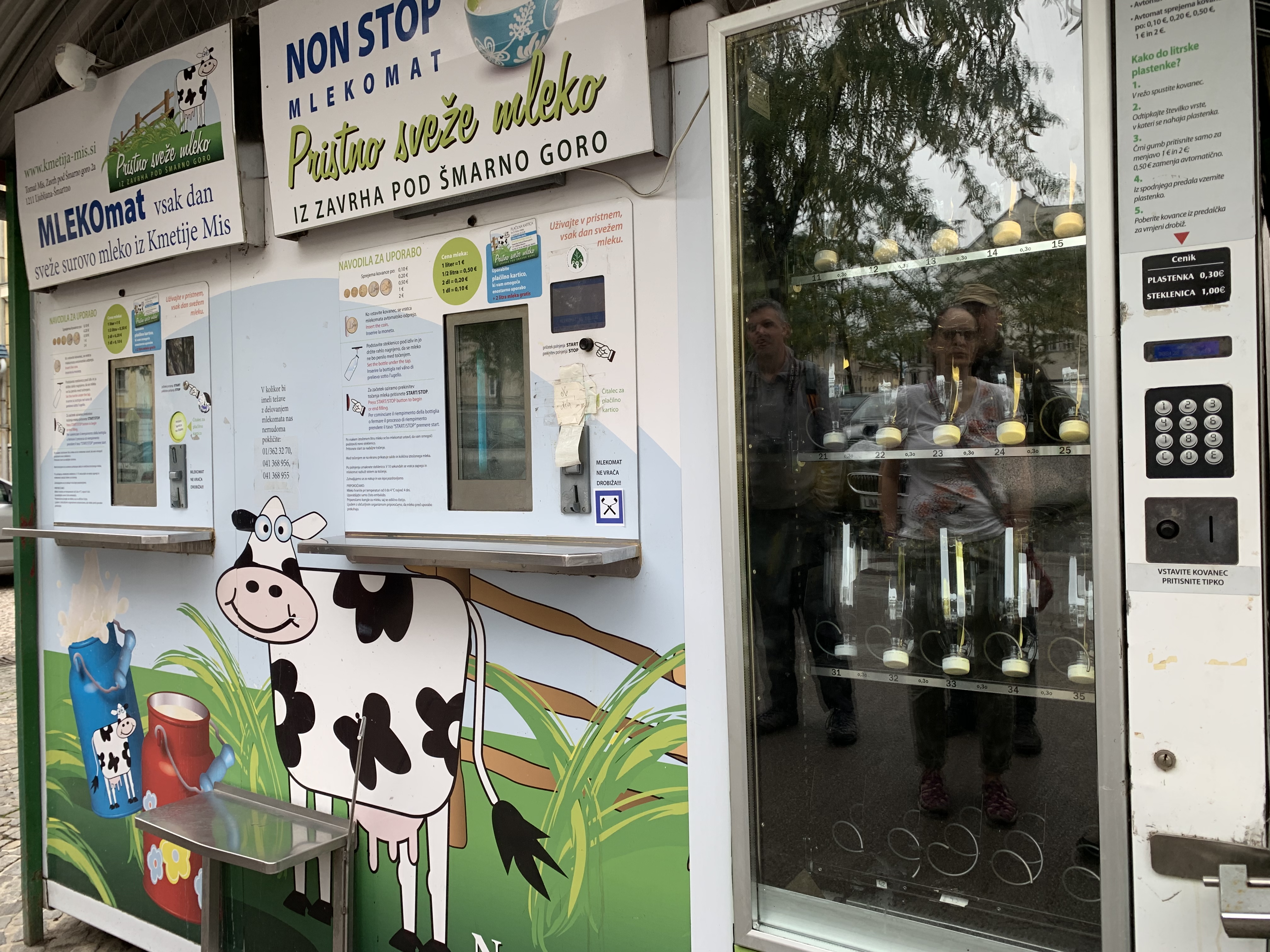
Eating local: Slovenian people are keen on eating local produce. Previously they used to export locally produced milk from farmers to Germany and France. Whilst they imported cheaper alternatives from Hungary and Poland as the growth of supermarkets hit. Now that people are aware that this was happening, They are angry and want to purchase Slovenian rather than exporting their great quality food and drink. They are prepared to pay a little more for local produce. And are also very proud of the quality of their home produced groceries, trying to keep as much in house as possible. Tap water is also safe to drink.

Vending machine for local milk

The practical stuff: the currency is Euro’s. I rarely used cash as a lot of places seemed to accept a card. Good to have a little in smaller denominations though to cover lower cost things or for places that don’t take cards. ATM’s weren’t everywhere but easy enough to find. As usual I recommend a Starling bank card for the great exchange rates and minimum cost.

https://www.starlingbank.com/

I don’t know the correct spelling or pronunciation for thank you, however, it sounds very similar to ‘koala’, though actually pronounced with the ‘hv’ sound – hvala. Locals appreciated the effort so it can’t have sounded too far from the correct term! Prosim – pronounced pros-seem doubles as thank you and also you’re welcome. Two words that go a long way.

Kremsnita – cream cake stall

Slovenia is a lovely country and Ljubljana is a great place for a city break. Definitely worth a visit, great architecture, friendly people, good food and plenty of wine! Next stop Zagreb in Croatia – approximately 3 hours by train..

Bucketlist in Belize – The Great Blue Hole

Not all those who wander are lost.

– J. R. R Tolkien

From the moment I first saw a photo of The Great Blue Hole in Belize I was intrigued and really wanted to see it. It truly is a stunning natural wonder. Belize is an amazing country with so much to offer. I will focus this post mainly on The Great Blue Hole, though will touch on some of the other features Belize presents. Belize itself is steeped with Mayan history, and very advanced in terms of being eco-friendly. In addition, you’ll see some amazing animals and marine life very close up in their natural habitats.

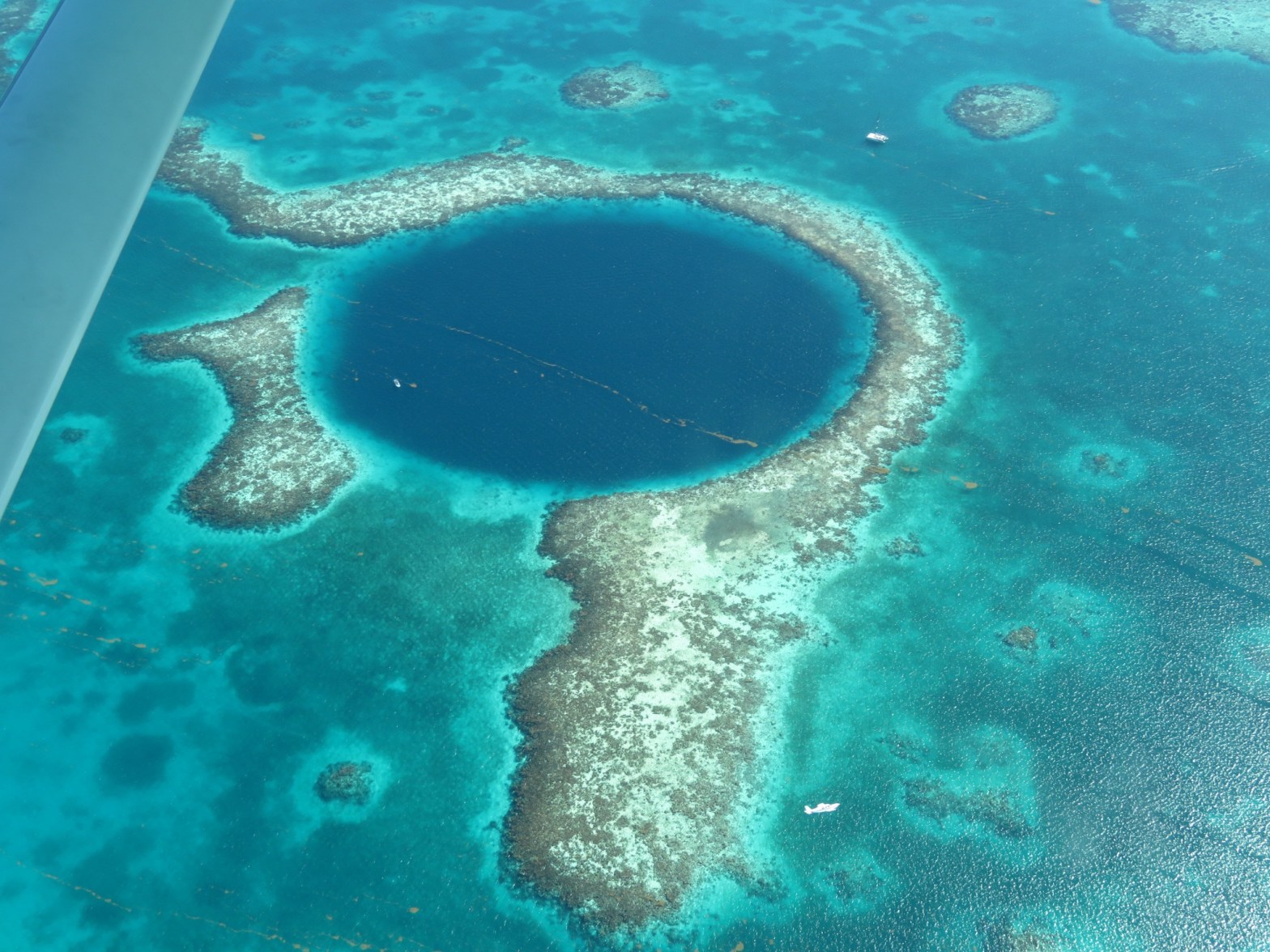
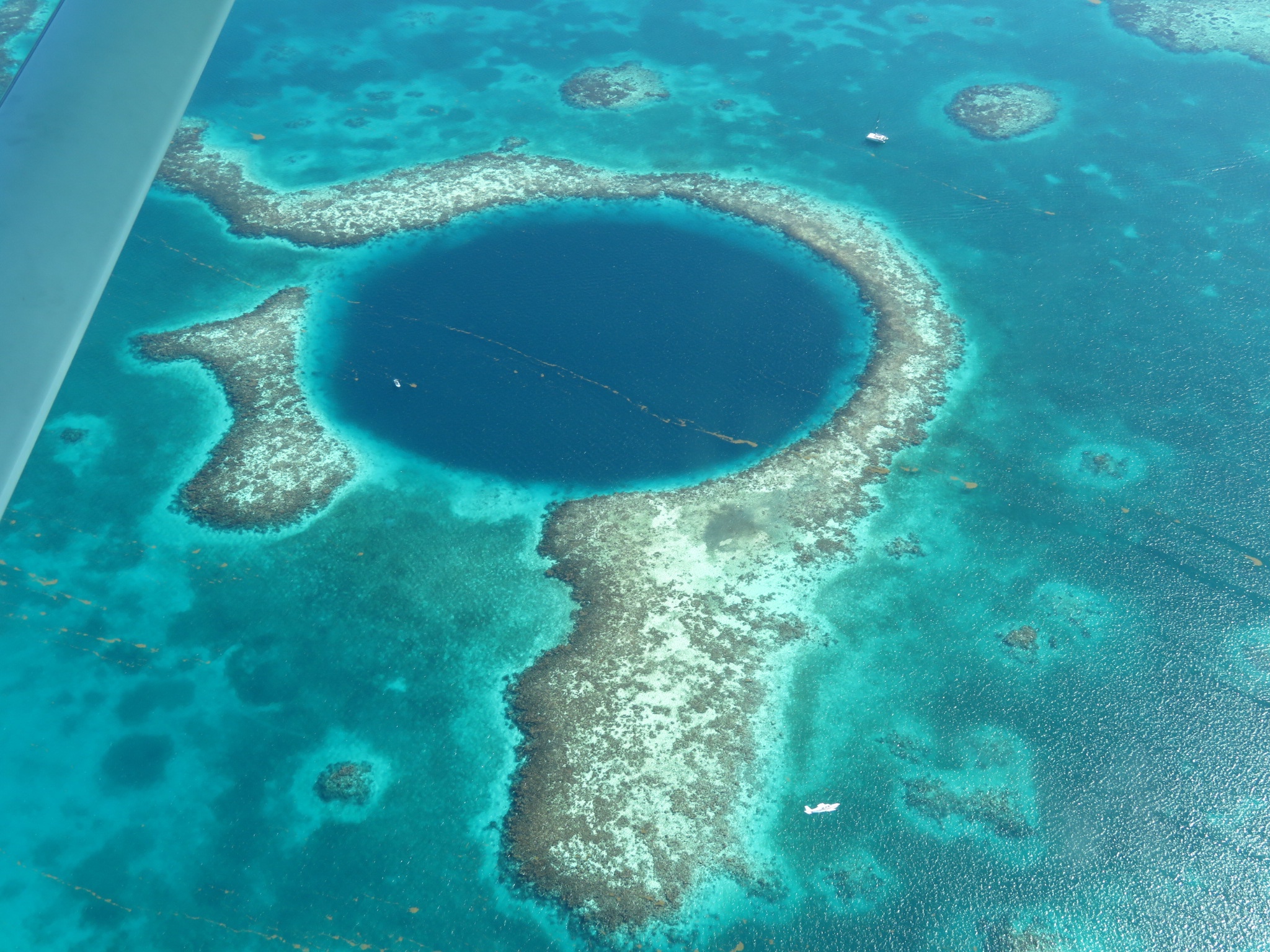
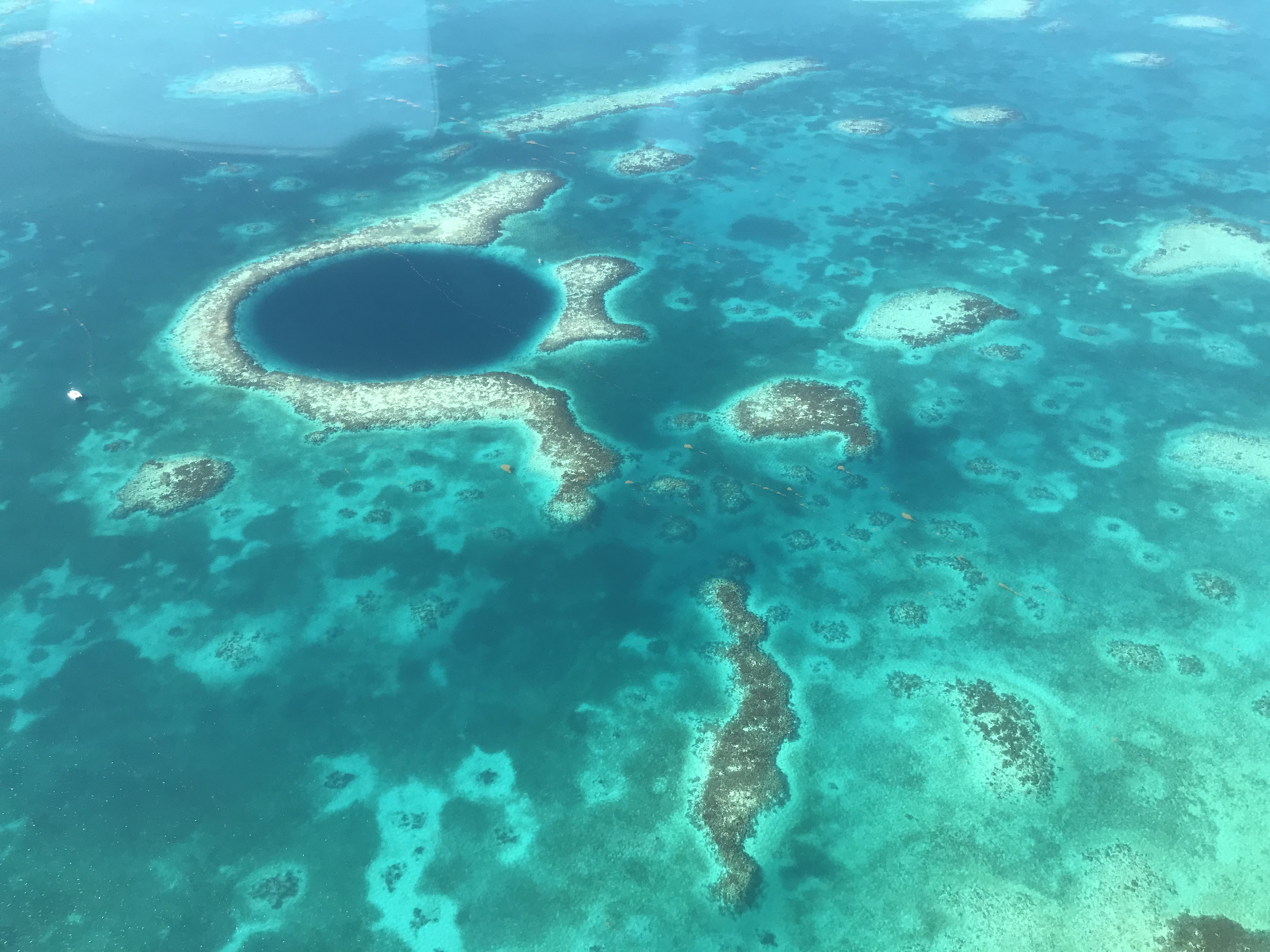
A bit of geography: The Great Blue hole is a naturally formed giant sinkhole just off the coast of Belize, perfectly circular in shape and an enormous 318m wide, and 124m deep. Its sits inside a shallower body of water, an atoll, which has a coral reef surrounding it; in turn surrounded my much deeper water. It formed many thousands of years ago and is a World Heritage site.

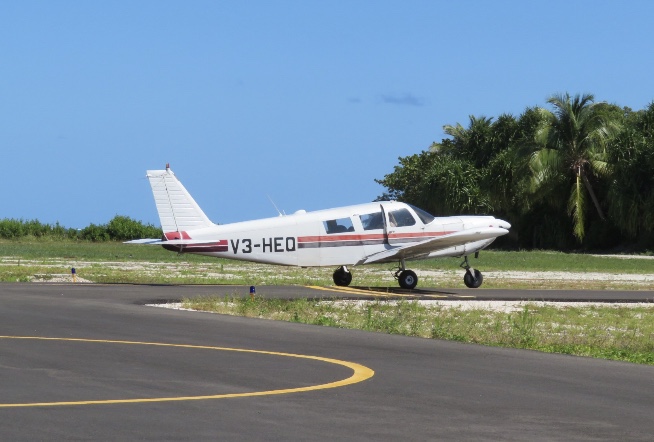
From the Air: In my opinion, the best way to see it is from the air. So, from Caye Caulker, a little island a short boat ride from the mainland, up I went in a small 6-seater plane; sitting next to the pilot he also let me have a little go at flying the plane! Another amazing experience, though slightly stomach churning when I directed us down a little too quickly!

Diving the hole is on many people’s bucket list, you must be an experienced diver to do so. Whilst you would see marine life inside the reef of the atoll inside the hole itself is very dark and would be more for viewing the stalactites than fish or sharks. I was advised by a guy called Chris from Kidderminster who lives in Belize and runs a farm there, that if the weather and sea conditions aren’t right then the boats often don’t make it far enough to see the hole itself. And also that the view from a boat is nowhere near as stunning as seeing the hole from the air. If you want to dive there little agencies everywhere offering Boat Trips. I recommend Black Durgeon Dives. Ask for Cory or Simeon.

How to organise the Flight: Booking the flight seemed harder than it ought to be, so here’s my thoughts and advice for what its worth. I tried calling and emailing in advance, but none of the agents seem interested or reply until you are physically there in person. They need a minimum of 3 people to guarantee a flight. So I recommend that it’s the first thing you do when you get to Caye Caulker. We were staying there for 3 days and I managed to make it happen so ensure you allow yourself a bit of time in case there’s not enough people or bad weather conditions. If there’s a few of you then its fine, but I was on my own so I ended up booking a provisional flight with one of the agents along the main street, she then advertised it to go in a couple of days meaning she had a bit of time to get to the minimum number of people. Fortunately, the next day she got two more so I was in!

In the end 4 of us went up with the pilot. There are plenty of booking agents, it’s a really small place so you’ll come across them regardless which way you walk or where you’re staying. Some just do boat trips but they all know each other so can point you to their friend that offers the flights. I believe you can also take a slightly larger plane if there are more of you. I paid around $150 for my place – thoroughly worth it! It’s one of the most amazing things I’ve ever seen! I used the agents just opposite Black Durgeon Dives called Anda De Wata Tours.

#Toptip! Whilst beautiful, Caye Caulker has lots of sand flies that bite your legs and are generally irritating! They don’t like baby oil so take some and cover your legs in it before you go out and it should discourage them!

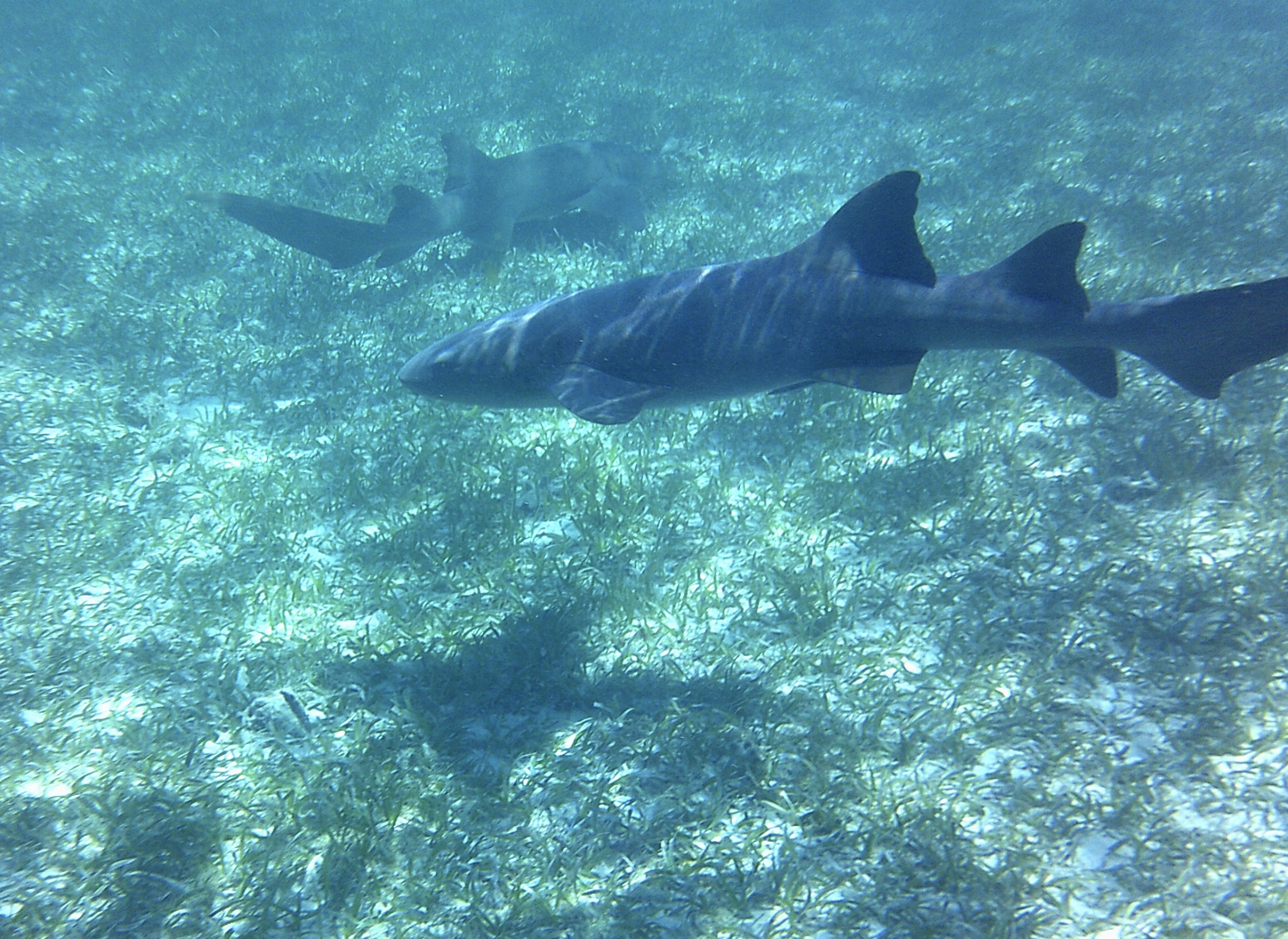
There are some amazing Snorkelling opportunities from Caye Caulker. I recommend a boat trip out to Hol Chan Marine and Shark Ray Alley. The corals and array of fish you see is outstanding. We saw some turtles and lots of stingrays. If you’re really lucky you might even see a Manatee! Then at Shark ray alley you can jump off the boat into a group of sharks which I thought was amazing but I guess its not for everyone! If not the view of them from the boat is great too.

Photo credit to Louise on this one!

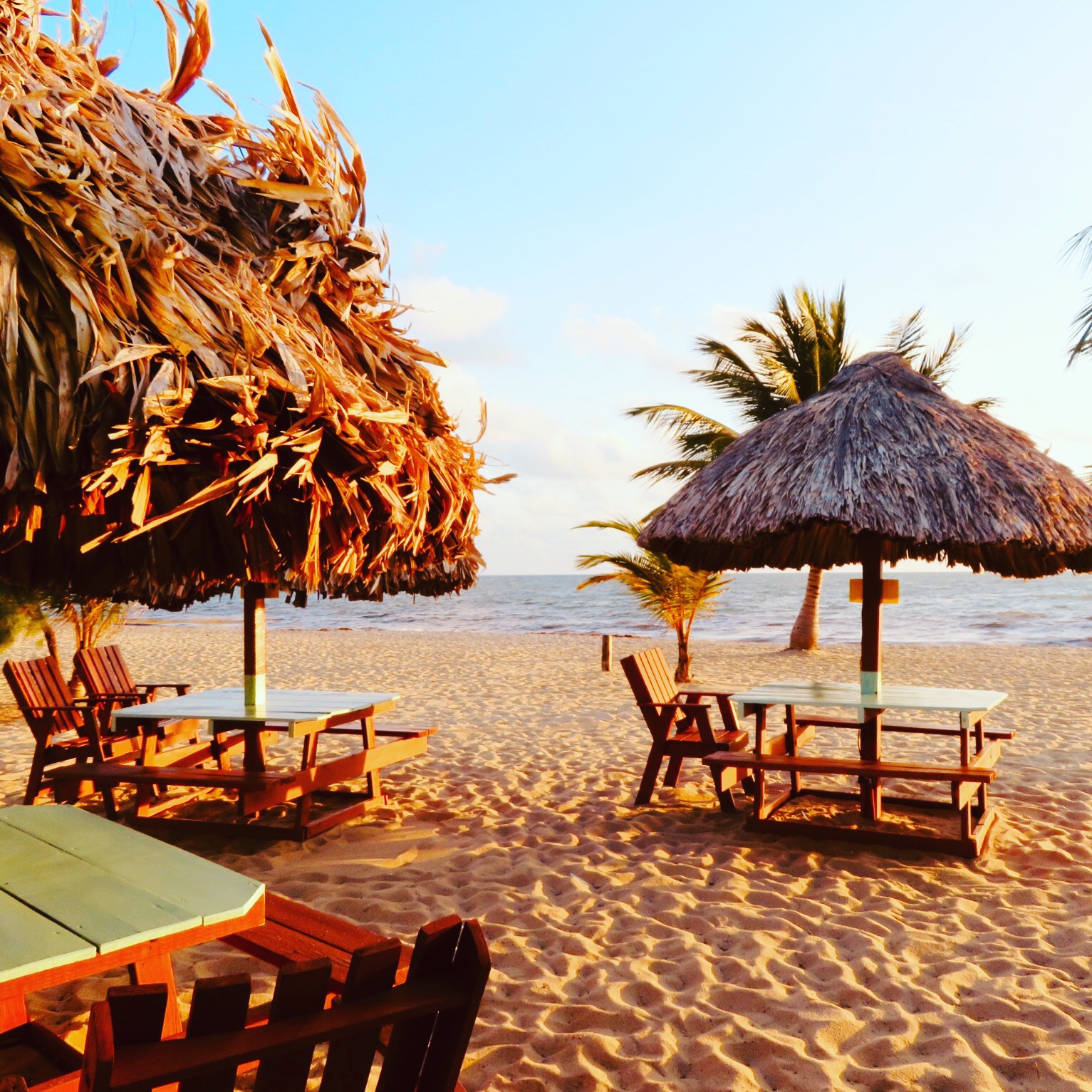
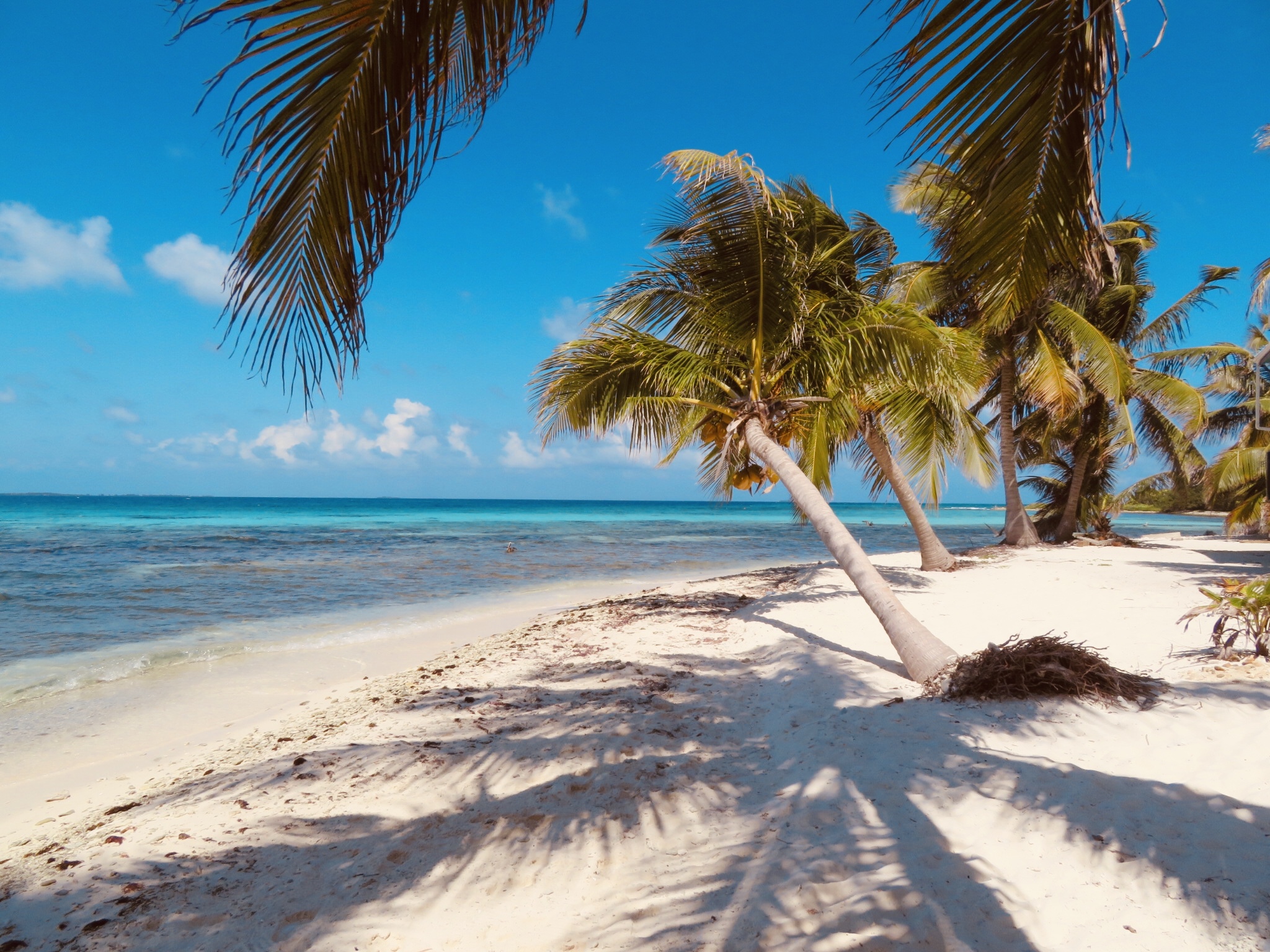
Placencia is a chilled out little area with a beautiful beach. We took a boat trip out to a tiny island which really felt like you were on a deserted island in the middle of nowhere. The snorkelling was good, though there is more to see at Caye Caulker.

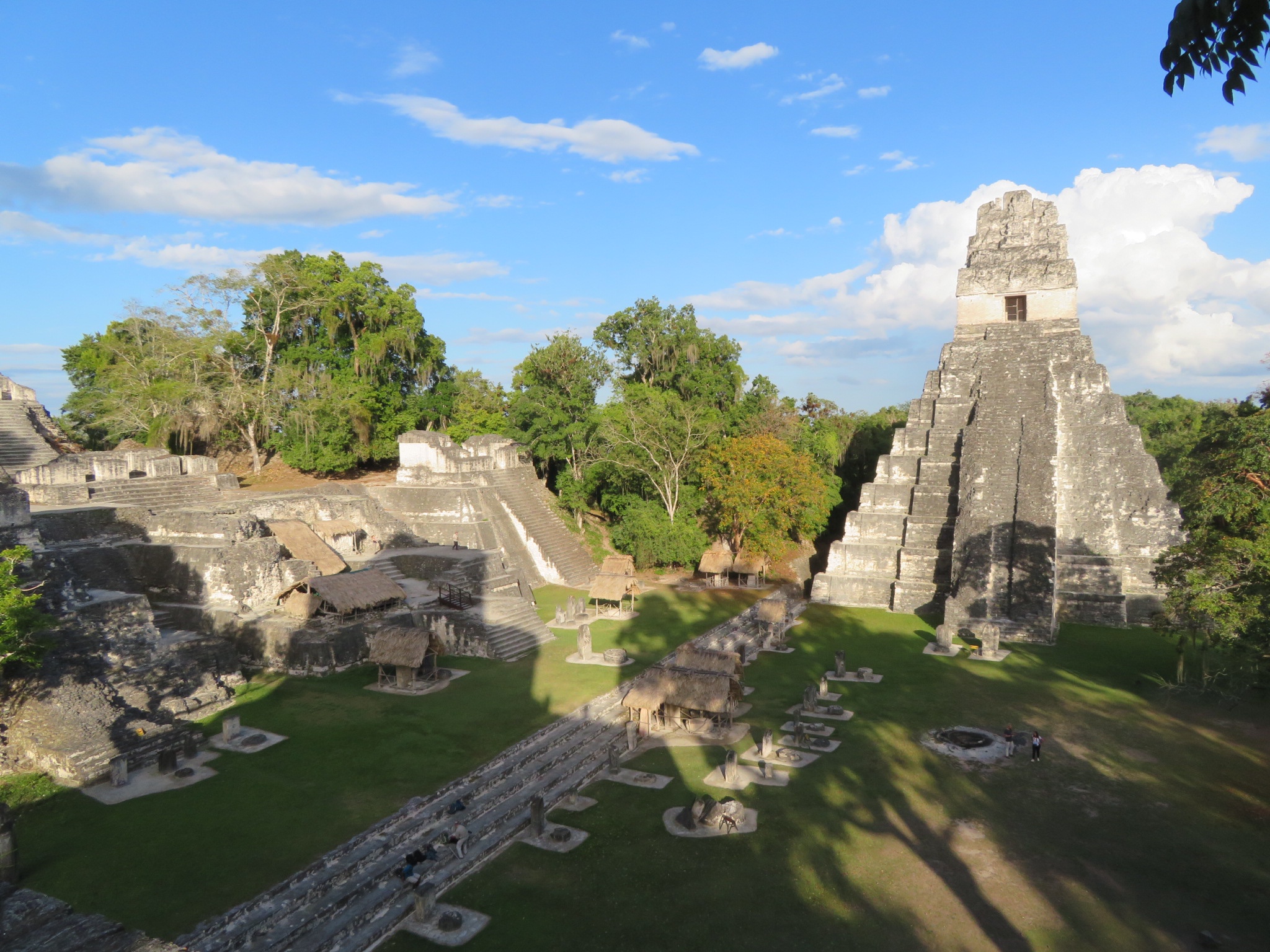
Temples: There are so many different Mayan temples to visit whilst in Belize; and also Tikal in Guatemala if you venture a little further. Some of the temples I’d recommend you see whilst visiting Belize: Altun Ha, Lamanai and Xunantunich. Definitely get a guide as they’re so informative and there really is a tremendous amount of history.

Tikal in Guatemala

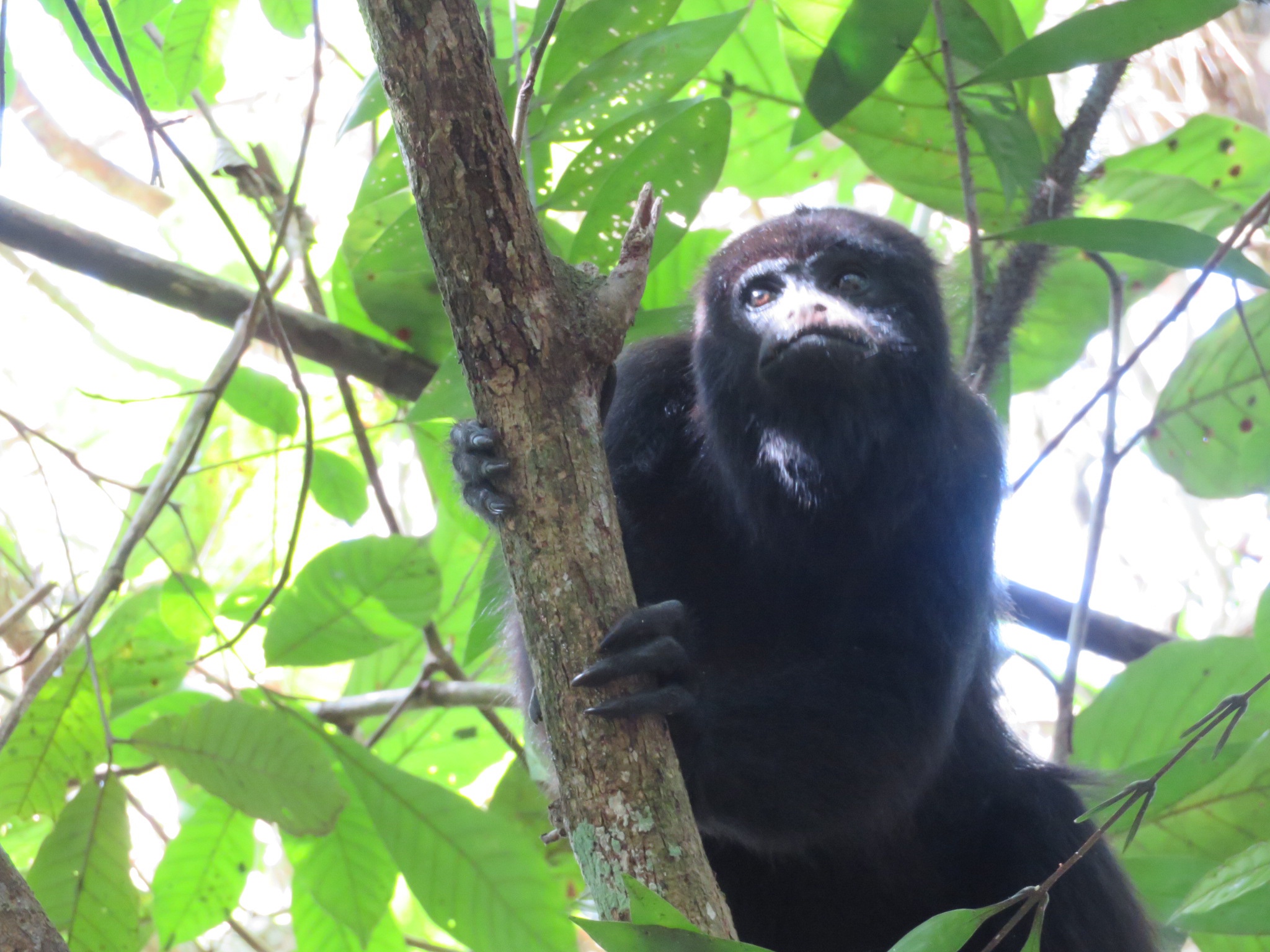
Wildlife: is plentiful, one of my favourites was a visit to Shane’s place where you could get so close to the Howler Monkeys in their natural surroundings. Also saw some amazing spider monkeys at Tikal in Guatemala. Another good place to go if you get the chance is the Crooked Tree Wildlife Sanctuary. We saw birds, storks, crocodiles and iguana’s during boat trips up and down the river.

Contact details for Shane’s place – definitely recommend to see the Howler monkeys!

Cockscomb Basin Jaguar Reserve: I didn’t see any Jaguars while I was there but did a great hike up to ‘Ben’s Bluff’, which offers incredible views of the forest and Victoria Peak. There are various other trails so you can take your pick of what you prefer.

The ‘other’ Blue hole: is a naturally formed fresh water swimming area. It’s a collapsed limestone cavern. Due to this the water is gorgeous and your skin feels really soft after swimming. It’s a stunning blue colour as well – pictures can’t do it justice. Definitely worth a stop.

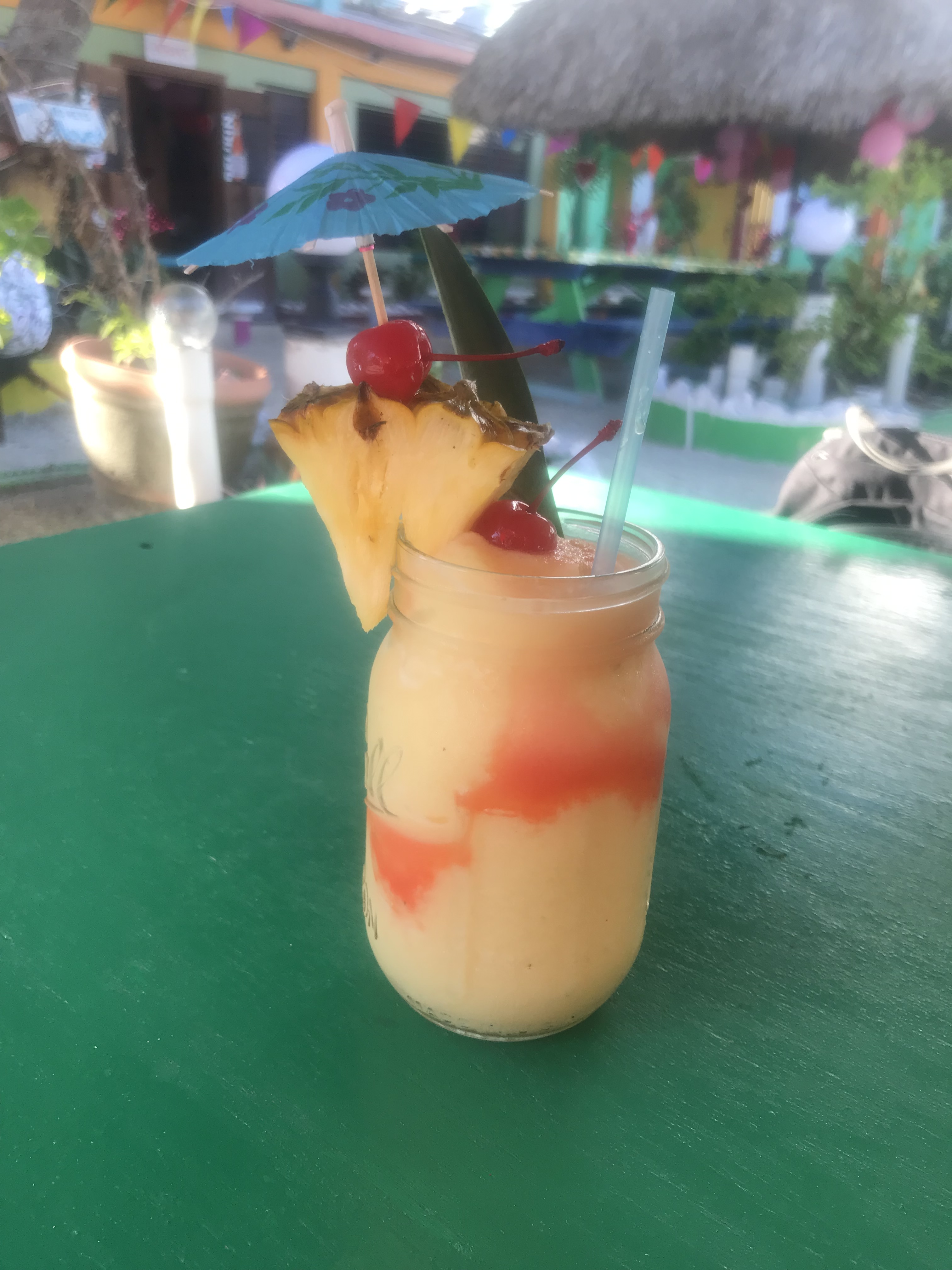
Rum is hard to avoid whilst in Belize. My two favourite cocktails were a ‘Panty Ripper’ – Banana rum and pineapple juice, and of course Pina Coladas – of which I sampled many! Of course they make a mean rum punch too!

Cuisine: its all about rice and beans, and beans and rice – there is a difference! I prefer rice and beans! Also fried jacks for breakfast are delicious! Portion sizes are often on the larger side.

The practical stuff: currency is the Belize Dollar, which is pegged to the US dollar at 2BZ$ = 1US$. You can spend either. As ever I recommend a Starling bank card to maximise the exchange rate and minimise costs. I drew cash out once I arrived, and paid for a lot of things on my card.

https://www.starlingbank.com/

There are a lot of different bugs we’re not used to everywhere, especially at some of the Mayan temple sites. Definitely bring bug spray and something like anthisan. And where you can I’d recommend wearing long sleeves and long trousers to avoid getting bitten.

Finally: I went to Belize and Guatemala as part of an Explore trip so it is all organised for you with some optional extras should you choose to. I would recommend the trip, the company and most importantly the country to anyone. Our guide Wilfred Garbutt was brilliant, friendly, knowledgeable and enhanced our experience further. As did Chris the local ground agent. Being with a fabulous bunch of fun people I’d never met before, many with a great sense of humour also helped make this an enjoyable and memorable trip. As did the MANY pina colada’s! The group dynamic was good, everyone got on and we had a lot of laughs – special mention to Louise, Patrick and Hamish for the fantastic company!

Thanks all for the great company and experience!

Stockholm – Something for everyone

Be yourself, everyone else is already taken.

– Oscar Wilde

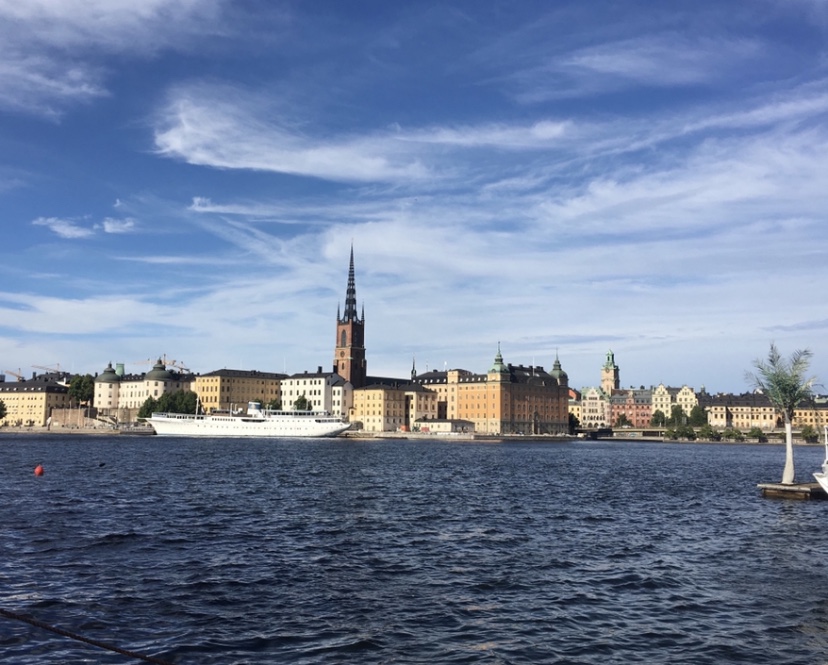
Just got back from my 4th visit to Stockholm, what a beautiful and amazing city! My friend Alex moved there 3 years ago so having somewhere to stay helps as its not the cheapest of cities. Each trip has been a completely different experience. It’s a great place to visit during the summer and the first two visits I was lucky enough to have glorious weather. It really is a city set up for being outside and enjoying the weather. I love wandering around and taking in the scenery and views. Personally I enjoy looking at architecture and buildings when abroad and Stockholm is a great city for this!

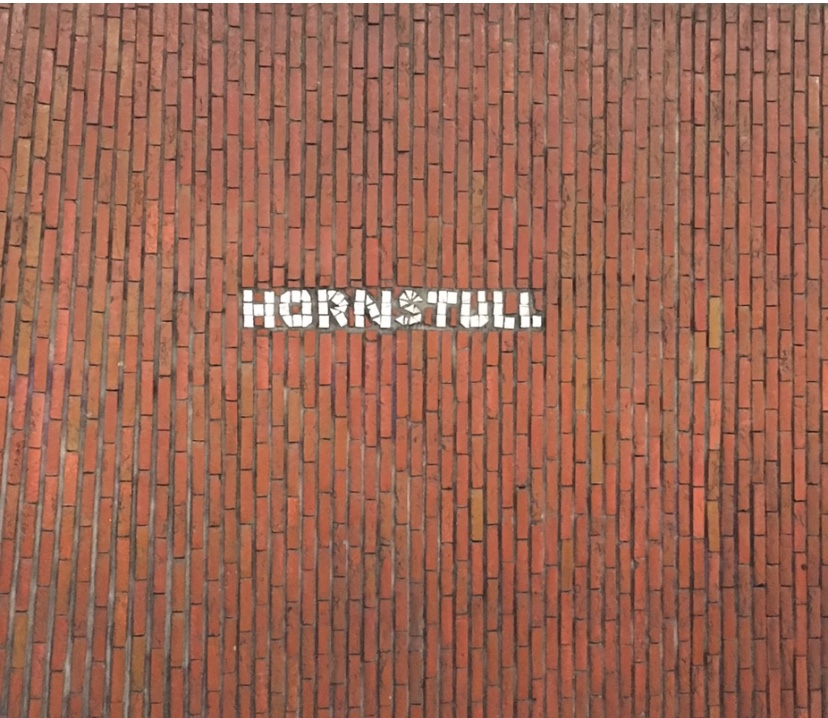
Södermalm: Alex lives in Södermalm so really central, a great and cool location; initially in Hornstull and currently in Mariotorget. What’s unbelievable is the amount of support you get with childcare. She has two young boys and if I had a young family myself or was planning on starting a family soon it would be tempting to move over there. The cost is unbelievable value especially compared to London. Not to mention the amount of time you get for maternity and paternity leave.

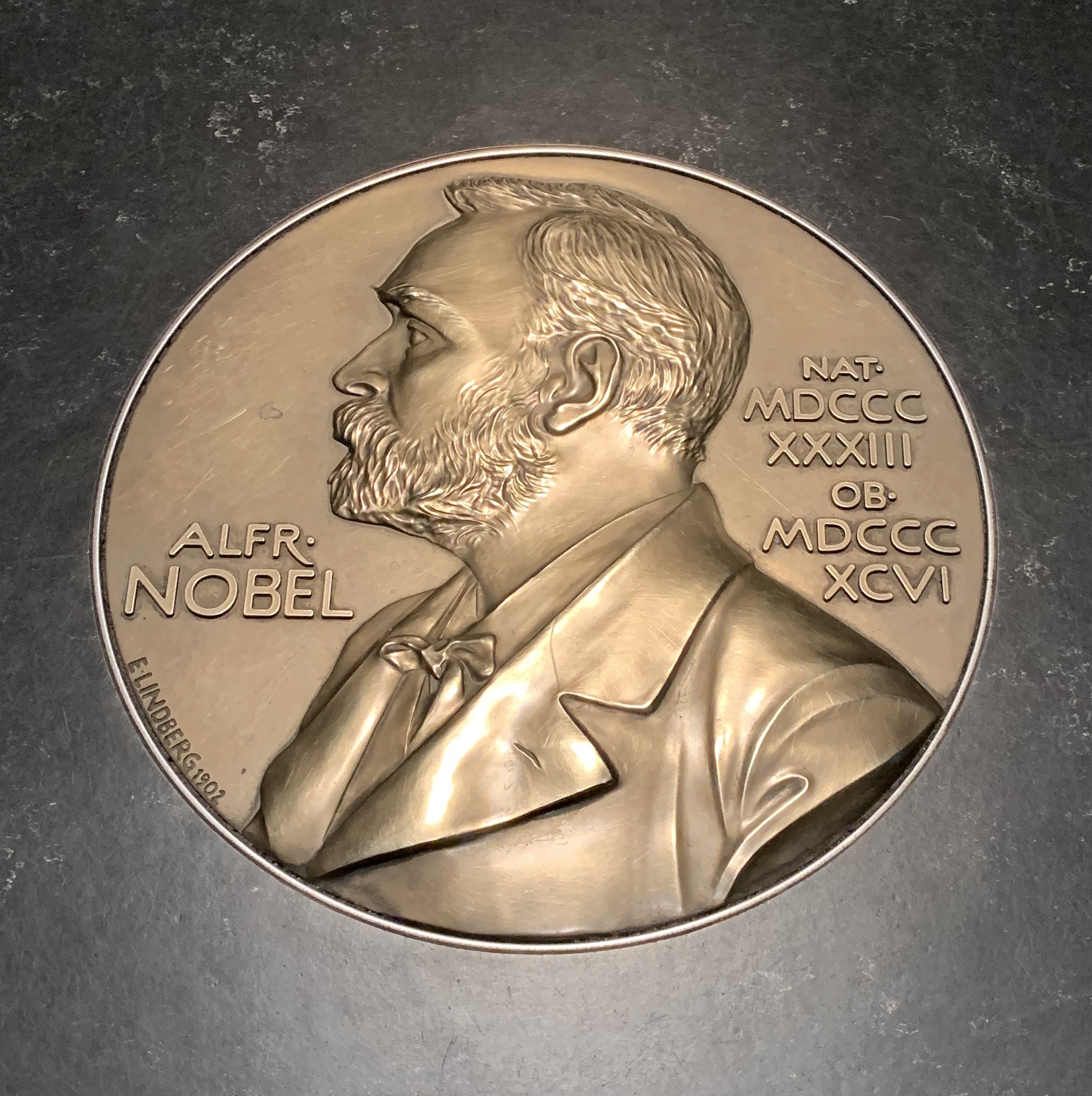
Nobel Museum: I visited the Nobel museum in Gamla Stan for the first time and would thoroughly recommend it. Really interesting stories and moving when you look at what some people have achieved and the impact it continues to have on our lives today. An inspirational place and also something that you can only do in Sweden. https://www.nobelprize.org/about/nobel-museum/


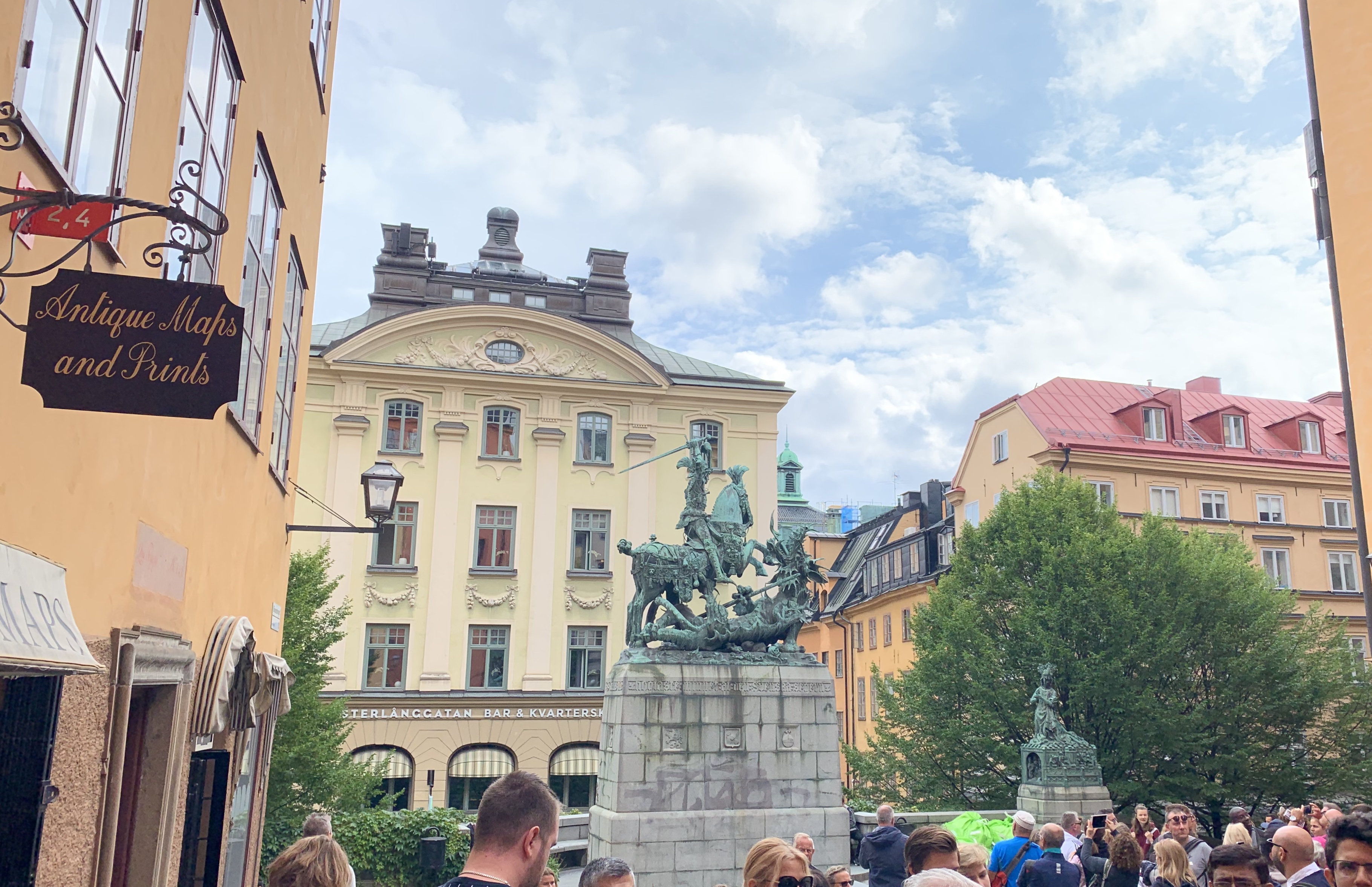
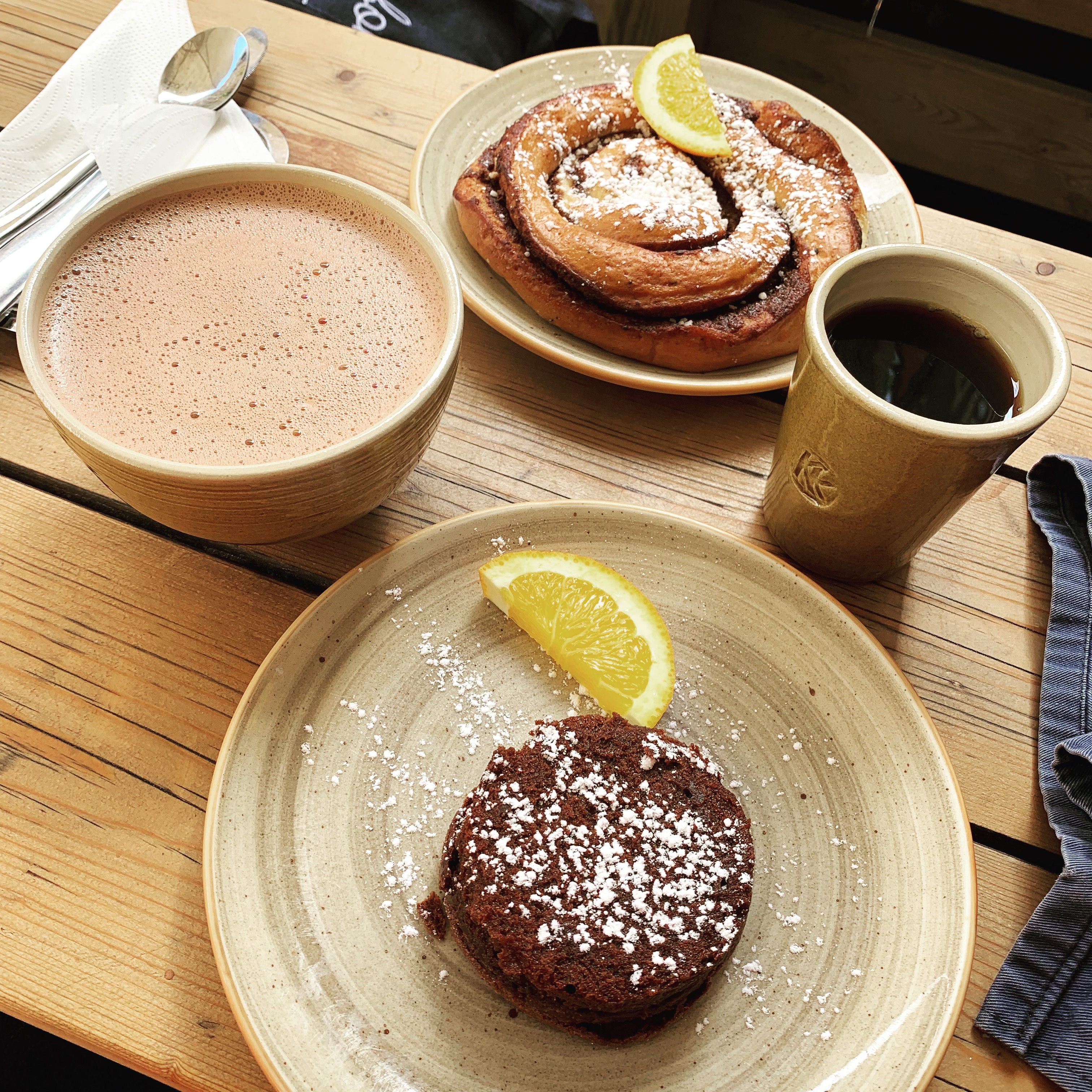
Gamla Stan: is a beautiful area and a short walk from Södermalm. A little bit too many tourists on occasion but a beautiful place with some stunning buildings and architecture. Still worth a walk around and plenty of places to stop for coffee and cake. Despite it being a little busy in some parts I think its still one of my favourite places to wander round in Stockholm. Fika is a huge part of Swedish life, basically it means going for a coffee. Swedes believe it is important to make time everyday for friends. Another important word is Tah-k, pronounced ‘Tack’, which means thank you.

We went to the photography museum – Fotografiska – nearest tube stop is Slussen. The collection from war photographer and photo journalist James Nachtwey who’s lost a number of friends in his line of work was impressive and thought provoking. His composition is striking and he focuses on injustice and violence. Some of the images were harrowing and really make you pause to think and regain some perspective on life. Mandy Barker’s ‘Sea of Artifacts’ also interesting and reinforces the impact plastic is having on the environment. On to something lighter and there is a great cafe and cocktail bar on the top floor with beautiful views. Definitely recommend a visit the exhibitions were outstanding. Note the exhibitions are temporary, on until mid September and late August respectively.

https://www.fotografiska.com/


There are so many museums and plenty of places that are good for children as well. Some free to get in and some at a cost. You can purchase a Stockholm pass giving free entry to a number of tours, attractions and museums, depending on how long you are visiting for and what you are interested in seeing and doing whilst visiting.

Boat trips: You can also get a boat to a different island easily from here. I visited Vaxholm on my first trip, beautiful island, easy to walk round, lots to see and plenty of spots to sit out in the sun with a great view. It has regular and frequent boats making it an easy trip. There’s also a 16th century fortress on the island you can visit which is now a museum.

Beaches: There are beaches everywhere and so much water so if going in summer definitely take a swimming costume! The water might be a little chilly but worth getting in for a swim!

Still on the list! I haven’t yet been but the Abba museum and the Vasa museum are two that are still on my list. The Abba museum speaks for itself! The Vasa museum is a preserved 17th century ship so a unique visit.

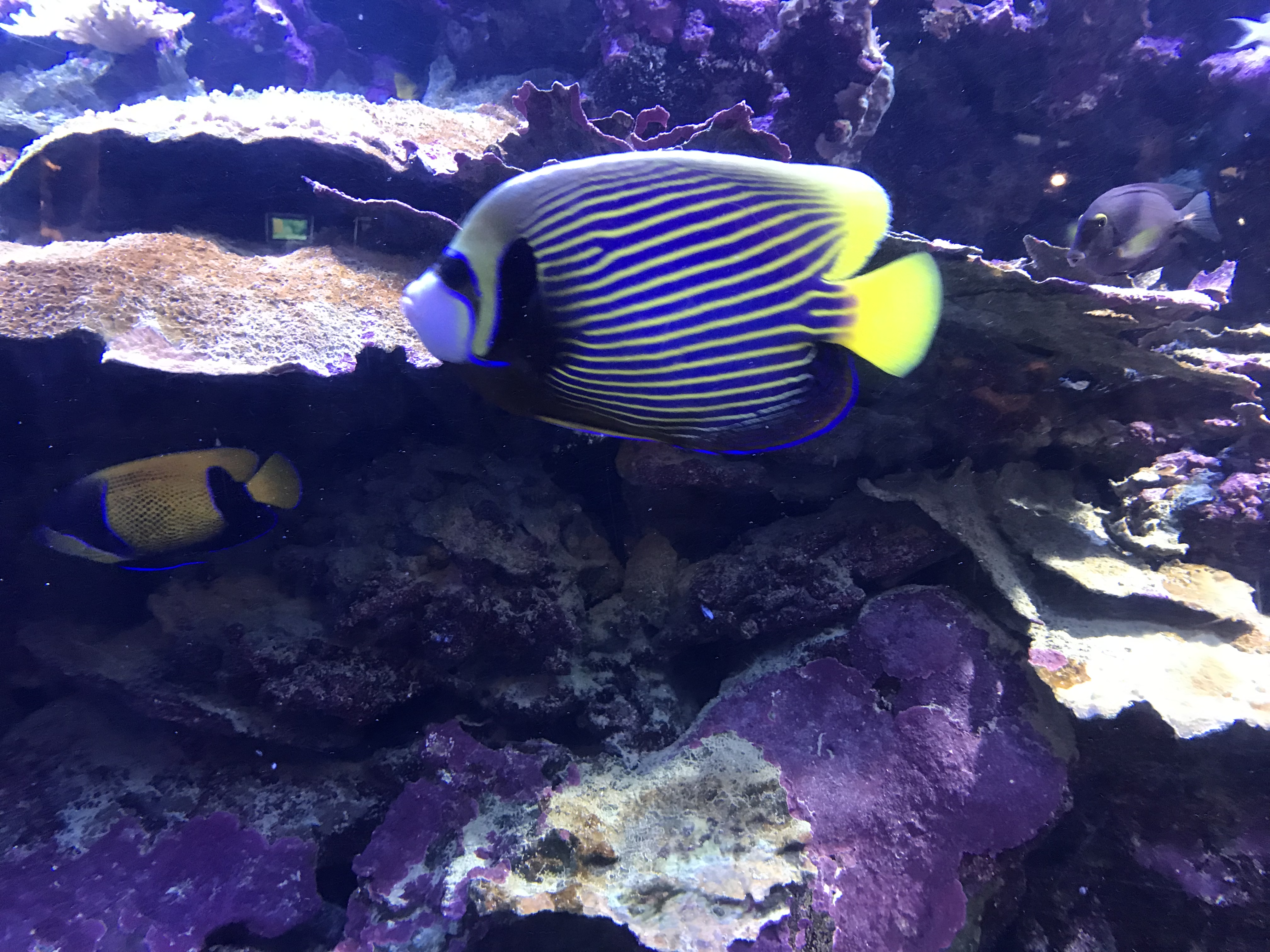
Skansen: is an outdoor village also great for children. I visited during my winter trip with Alex, her husband and the boys. It has a zoo and an aquarium; and a traditional Swedish village showing the way of life in Sweden before the industrial era. The food in the cafe was pretty good. Much needed for some warmth as it was December!

We made a brief visit to the Museum of Modern Art this time around, located on the island of Skeppsholmen. Some interesting work and as with most of Stockholm, great views. Some of the exhibitions were free to view as well. I was amused by people wandering around with there own fold up seats which are available at the entrance to stop and enjoy the art; and stopping wherever they wanted to view something. In some places they looked like part of the art installation. Jordan Wolfson’s exhibition was a little controversial, the elderly couple watching it were also amusing as the wife picked up her chair telling her husband to move on as she clearly didn’t approve, and he remained seated, laughing and very much enjoying it! https://www.modernamuseet.se/stockholm/en/

Spa’s: When I went in winter we also visited The Spa – Centralbadet – which I thoroughly recommend. Traditional wooden Swedish style created in 1904, located just off the busy Drottninggatan. Some great steam and sauna rooms, Jacuzzi’s and a beautiful swimming pool in the style of a ship. Looks really grand and reminded me of the Titanic. It also has a sun roof terrace and outdoor gym and yoga area. Though being December we didn’t try these out! Obviously followed up with a glass of bubbles in the garden cafe! https://www.centralbadet.se/english/


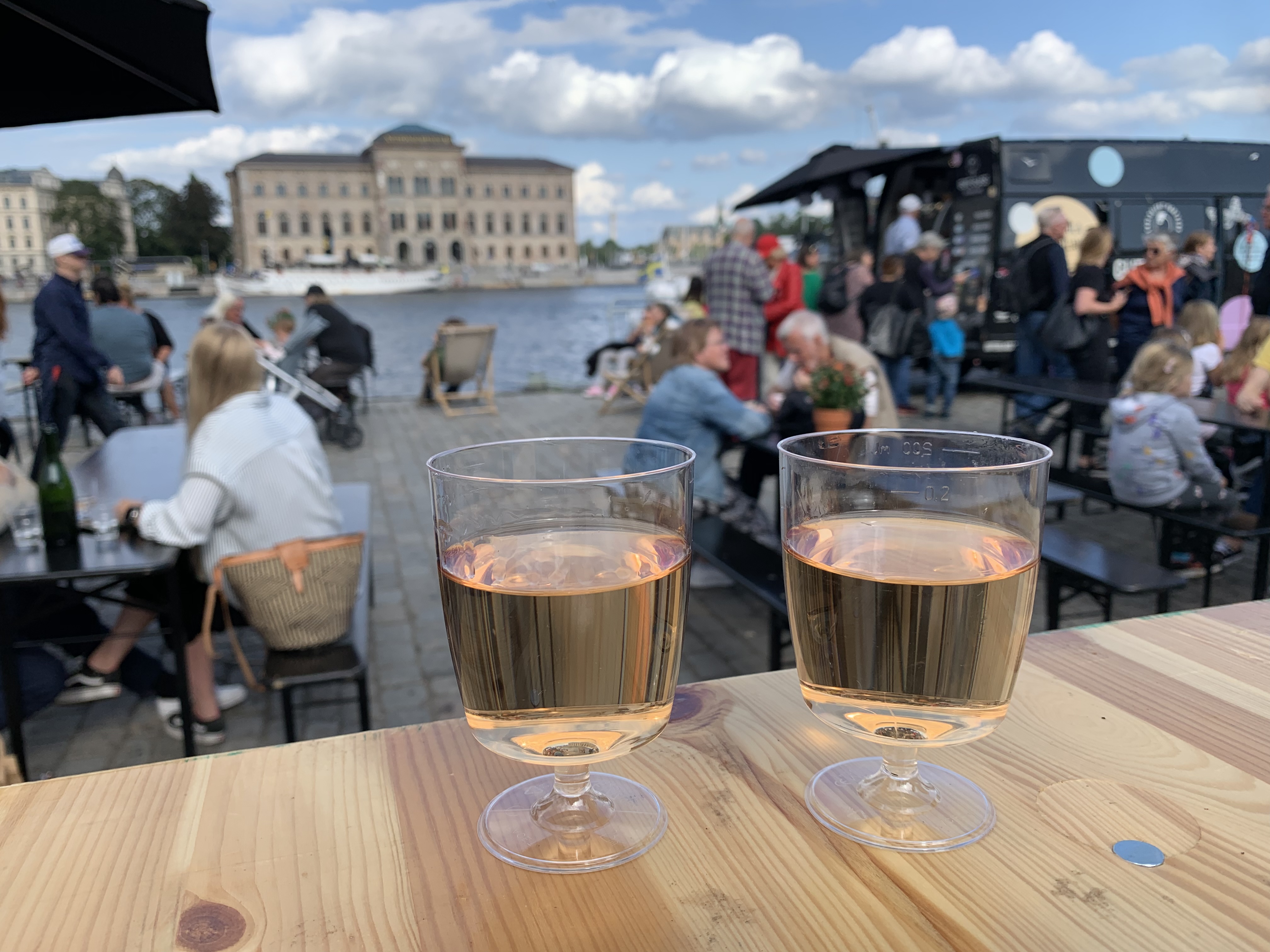
I’ve had some lovely food and great drinks and cocktails in various parts of the city. There was a little festival by the water on our walk from Gamla Stan back to Sodermalm and we stopped and had a very nice glass of wine (or two) sitting by the waters edge. Made even better when I posted a picture and everyone told me it was raining back home!


Transport: Stockholm is a very efficient city. Options to get to and from Arlanda airport include the Flygbussarna and the Arlanda Express train. The train is a little dearer but quicker, although it depends which part of the city you are heading for. The tube network is easy to navigate. I’d recommend purchasing an Access card which functions like an Oyster card in London, you simply top up and tap in, no need to tap out. https://www.flygbussarna.se/en/arlanda

The practical stuff: One more really important thing – hardly anywhere takes cash, in fact I’d say don’t bring any! I’ve paid for everything on my last 3 trips by card. I’d advise getting one that doesn’t charge you when abroad. Starling bank is particularly good. Revolut is another good one.

https://www.starlingbank.com/

https://www.revolut.com/

During my visit last Winter I also got a train down to Copenhagen, reasonably priced, easy to do and stunning views on the way. But that’s another post!

Stockholm is an easy place to wander round and navigate and is so full of things to do and see no matter what you are looking for. Alex I’m sure I’ll be back again soon!