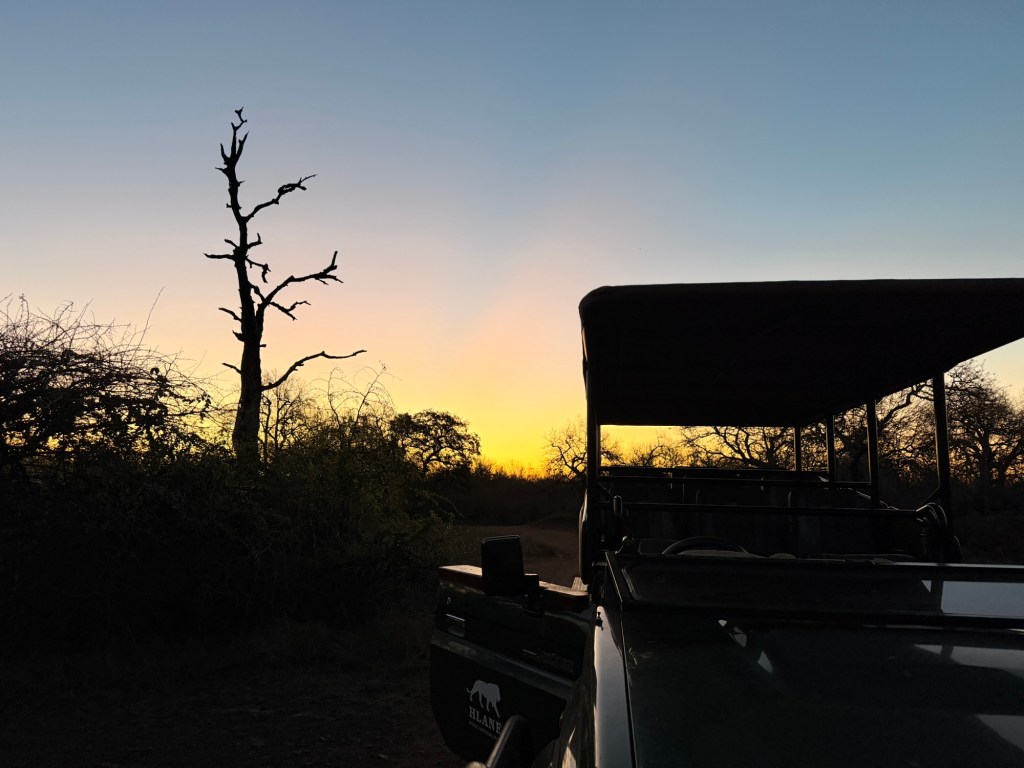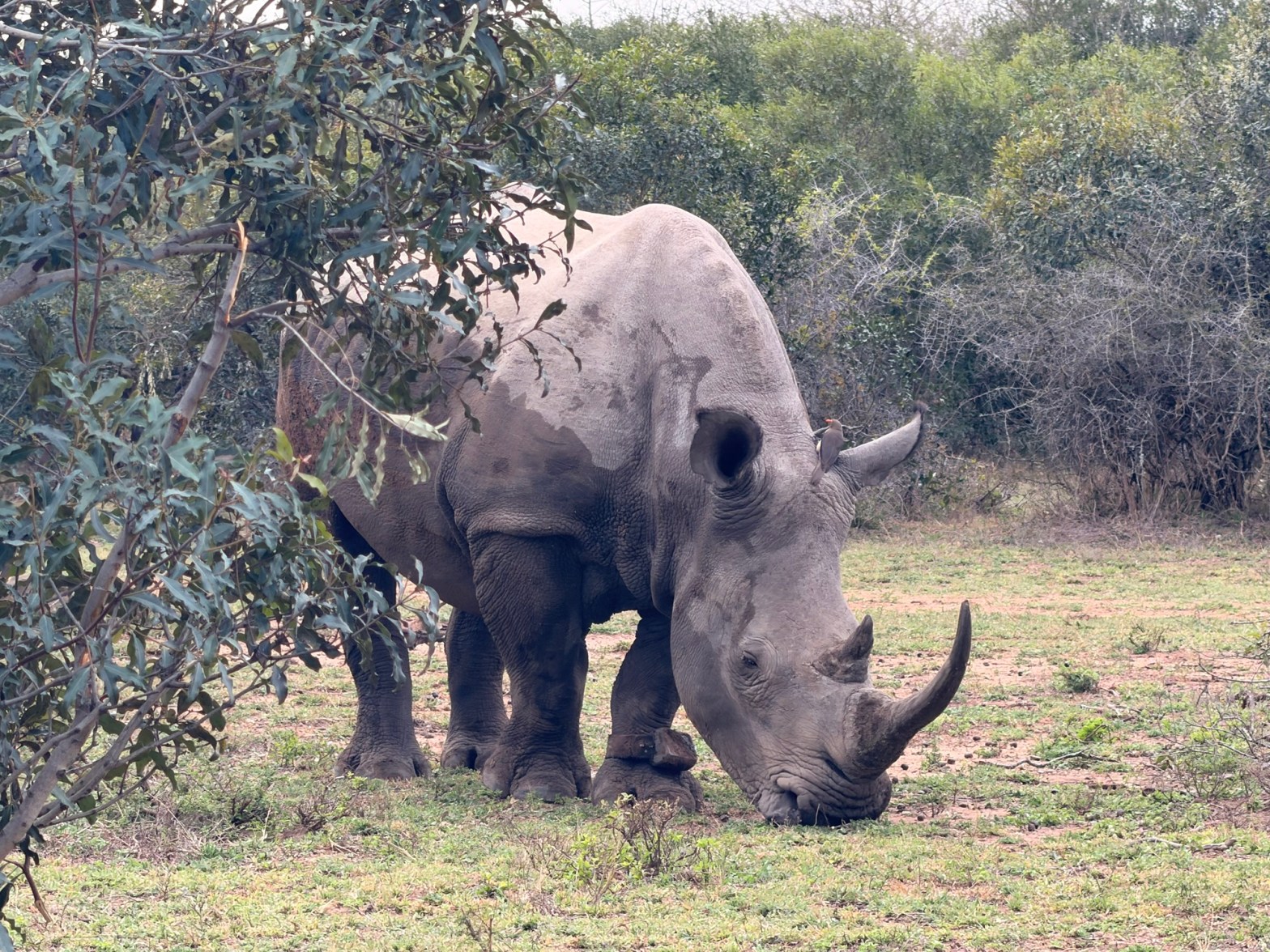
Discover Eswatini on a cycling and wildlife adventure, from mountain biking and rhino encounters to sleeping in rustic bush camps at Mkhaya and Hlane.
If you’re looking for somewhere a little different for a cycling and wildlife adventure, put Eswatini on your list. A cycling safari like no other.
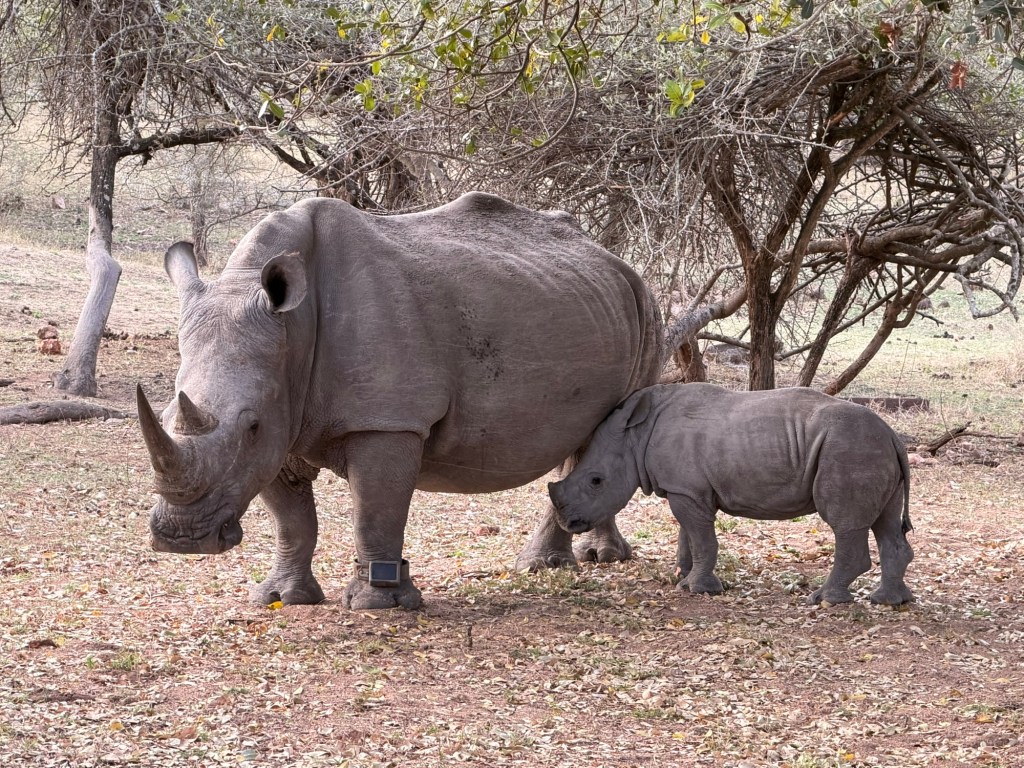
This small kingdom, tucked between South Africa and Mozambique, was somewhere I knew relatively little about before this trip. I’d been attracted by the combination of cycling and safari, and it did not disappoint with the variety and experiences on offer. Formerly known as Swaziland. It might be relatively tiny, but the scenery changes dramatically as you travel across it, and the local people are warm and friendly.
We started in the highlands, where the landscape is green, mountainous and often surprisingly cool. We gradually headed East, towards the warmer Lowveld, cycling through forests, dirt tracks and countryside, staying in some wonderfully unusual places and seeing an incredible amount of wildlife.
We travelled with Saddle Skedaddle https://www.skedaddle.com/uk/search?eswatini and local partner Escape Cycle Tours https://www.escapecycletours.com/ , and the trip was a brilliant mix of cycling, wildlife, culture and plenty of time to enjoy where we were.
One of the things I particularly liked was that Eswatini doesn’t feel overrun with tourists. It has a much quieter feel than some of the more well known safari destinations. Each accomodation was unique and all offering something special, in some cases outstanding.
Cycling in Eswatini involved an amazing amount of moving through different landscapes and experiencing a completely different side of the country each time we arrived somewhere new.
Some of the places we stayed were epic!
Hawane Resort
After arriving in Johannesburg, we had a long transfer into Eswatini, with a stop along the way before crossing the border and continuing into the mountains. All credit here and throughout the trip to Sendile our driver. A beautiful human being, always on hand with the van for when I struggled with some of the more difficult cycling. Sendile also has incredible local and wildlife knowledge, as well as a great sense of humour!
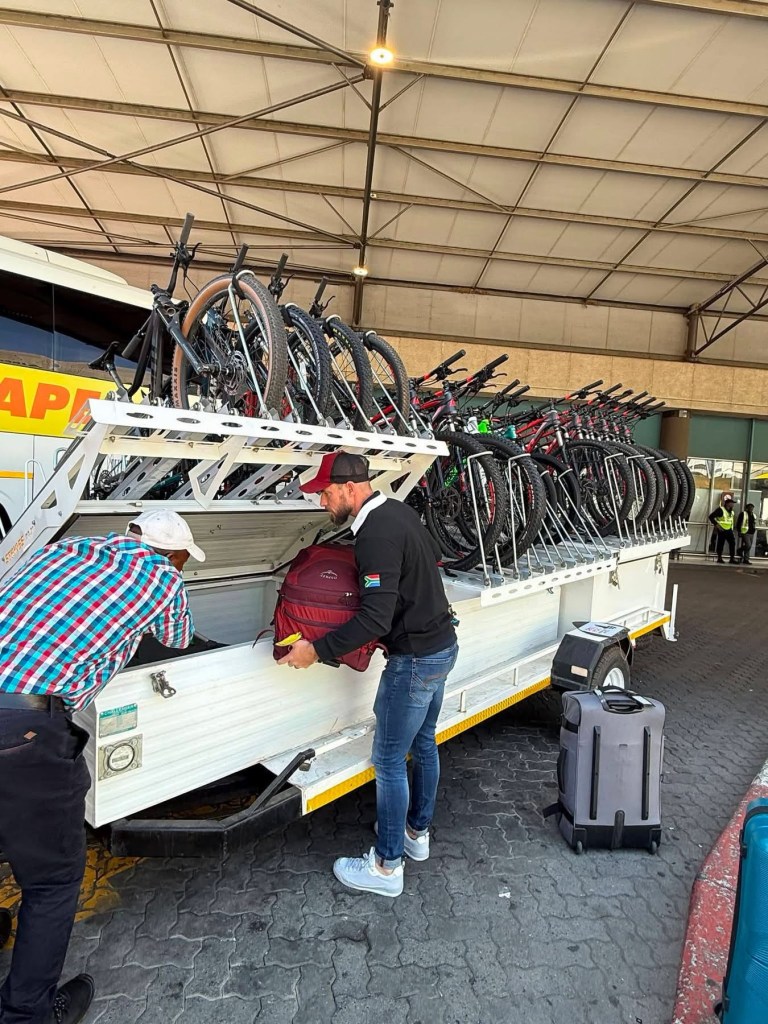
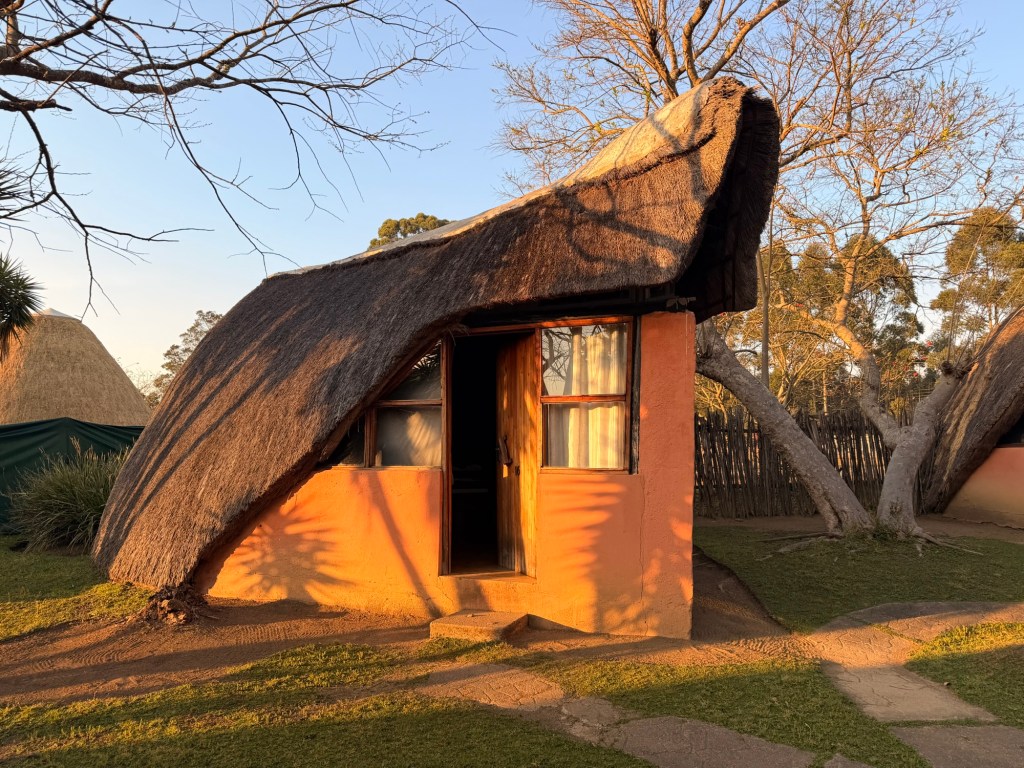
The accommodation here was made up of little thatched cottages which immediately made me think of hobbit houses. They were tucked into the landscape and a great way to start the trip.
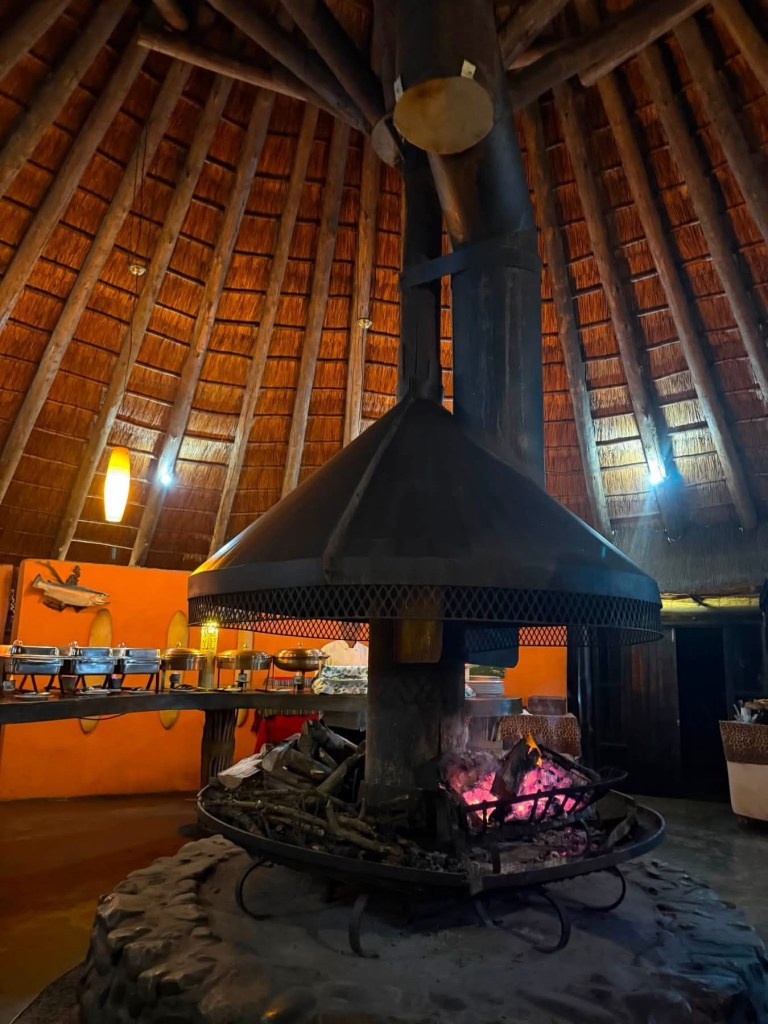
Dinner was a highlight, in the centre and around a fireplace. Also with a bar where we met an interesting mix of people, including some locals that we ended up having some fascinating exchanges with!
The following morning marked the start of our Eswatini cycling safari. We headed to Ngwenya Glass, no glass blowing today but some amazing local crafts and glasswear. We were due to pass back through on the return to the airport so I refrained from purchasing today, assessing the risk of smashing it whilst moving from place to place! Though I eyed up a few things for later and they were very well packaged and safely made it home!
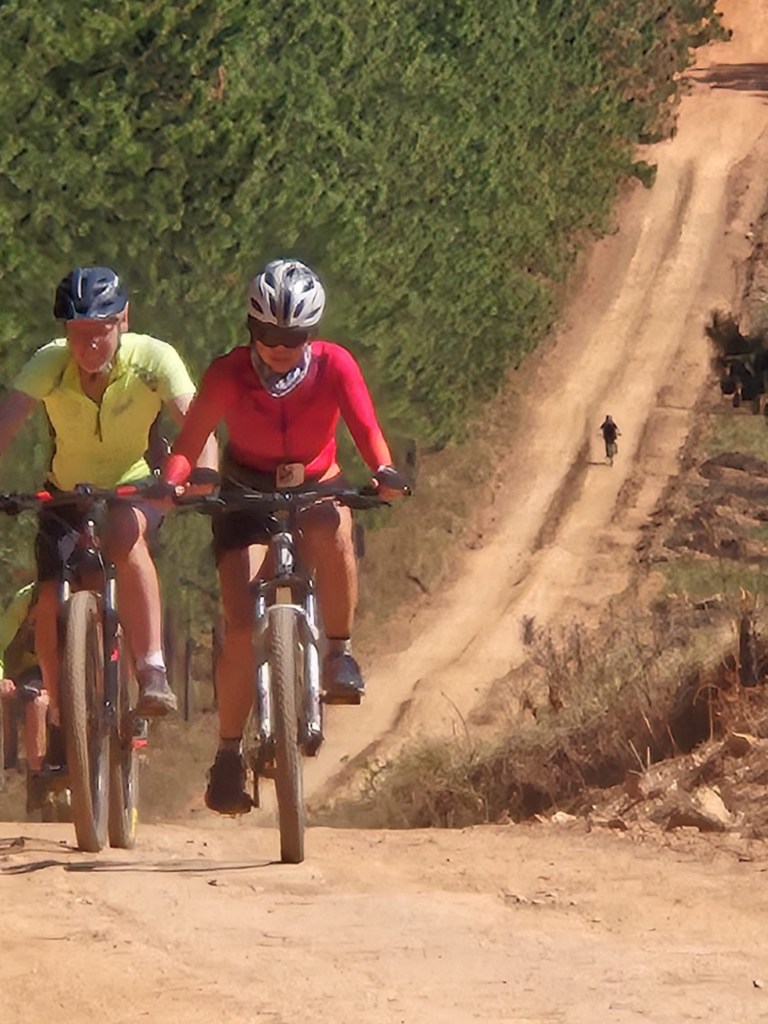
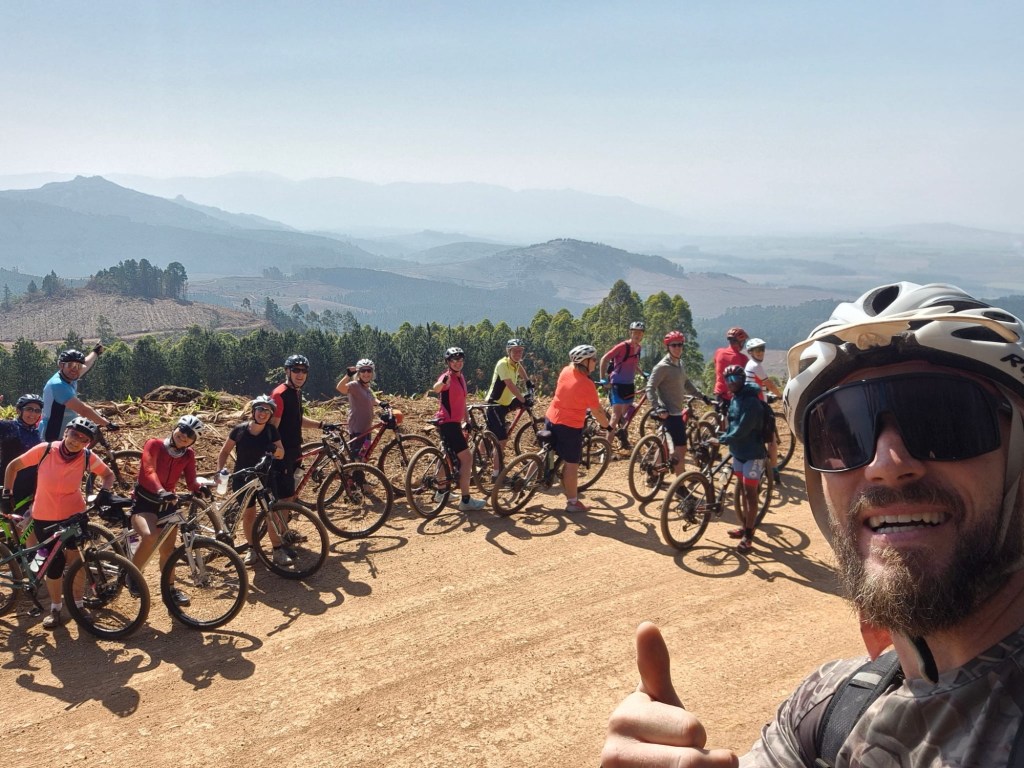
From there the route took us through valleys, along gravel tracks and cattle paths, past local homesteads and into the surrounding forests. This was mountain biking rather than simply cycling on a road. There was a real mixture of surfaces, including forest tracks and narrower trails, with some technical and challenging sections thrown in. Very challenging in my opinion but I’m a road cyclist! Some people were fine with it, it made for some interesting cycling and always a good story to tell!
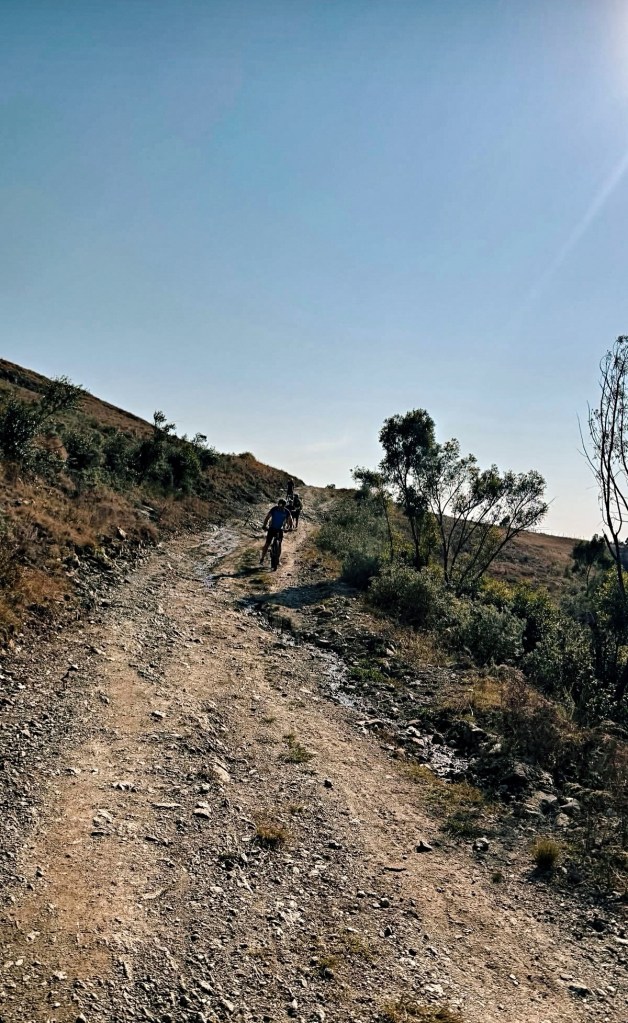
Si Hau our local guide, a very strong cyclist, who kept up the back of the group with me, is my absolute hero. Always offering advice on the best lines to take. Supporting me up the steepest hills and slowing down to go at my snail pace on the tougher hills and surfaces. Even singing to us when we needed a bit of encouragement. Somehow his beautiful voice singing ‘Lean on me’ as I struggled up a hill made it a little easier to get to the top! He always seemed to have an appropriate African proverb too. Another beautiful human being that made my trip.
The Foresters Arms
After a long day’s riding – and multiple hills (van available for those who require it!) we arrived at Foresters Arms, a lovely hotel tucked away in the mountains. The hotel has loads of character, with beautiful surroundings and a cosy bar that was perfect for relaxing in after a day on the bikes. It felt very different to some of the more rustic accommodation we experienced throughout the trip.
The owner was a wonderful lady in her 80’s. The menu made up of several options for each course you can choose to be served at the table in the dining room. And some nice wine choices from the bar!

Sunday lunch at Foresters is something special, a fantastic buffet where all the locals arrive on time in there Sunday finest.
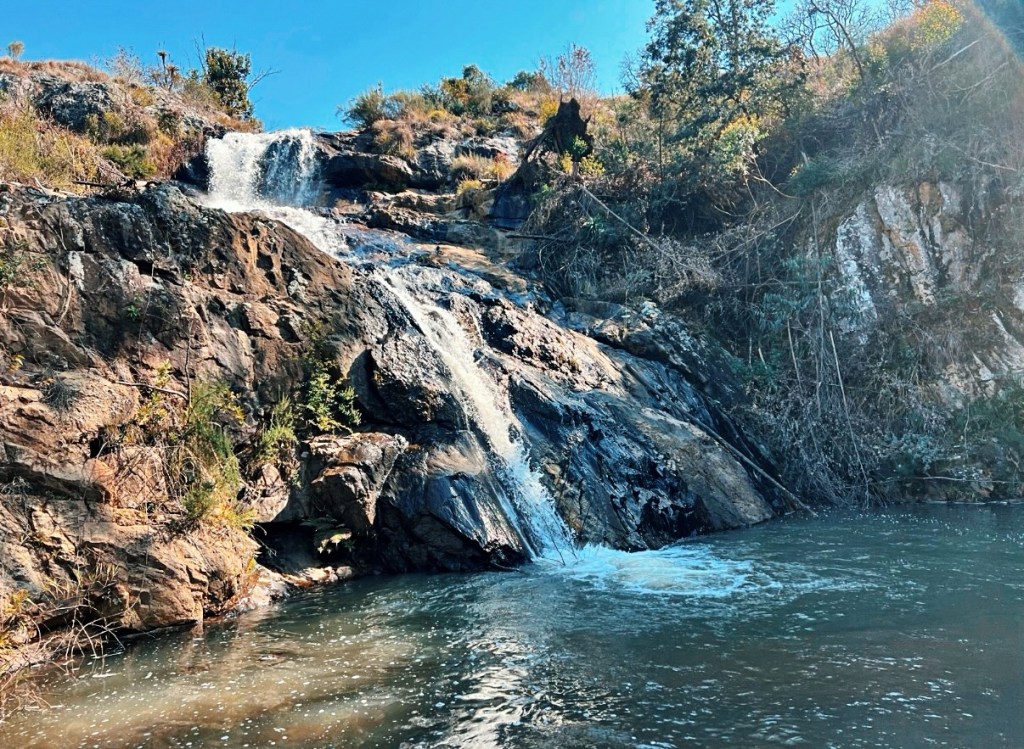
We were here a couple of nights so enjoyed a ride out to a waterfall giving us a chance to enjoy some of the local scenery. The accommodation itself is also a lovely place to pass the time with its original pub, the gardens and pool. I did go for a brief swim but it was very cold!
Mlilwane Wildlife Sanctuary
Our next stop was Mlilwane Wildlife Sanctuary, and this was where the wildlife really started to become part of everyday life. We stayed in the famous thatched beehive-style cottages, which were very different from Hawane and Foresters Arms.
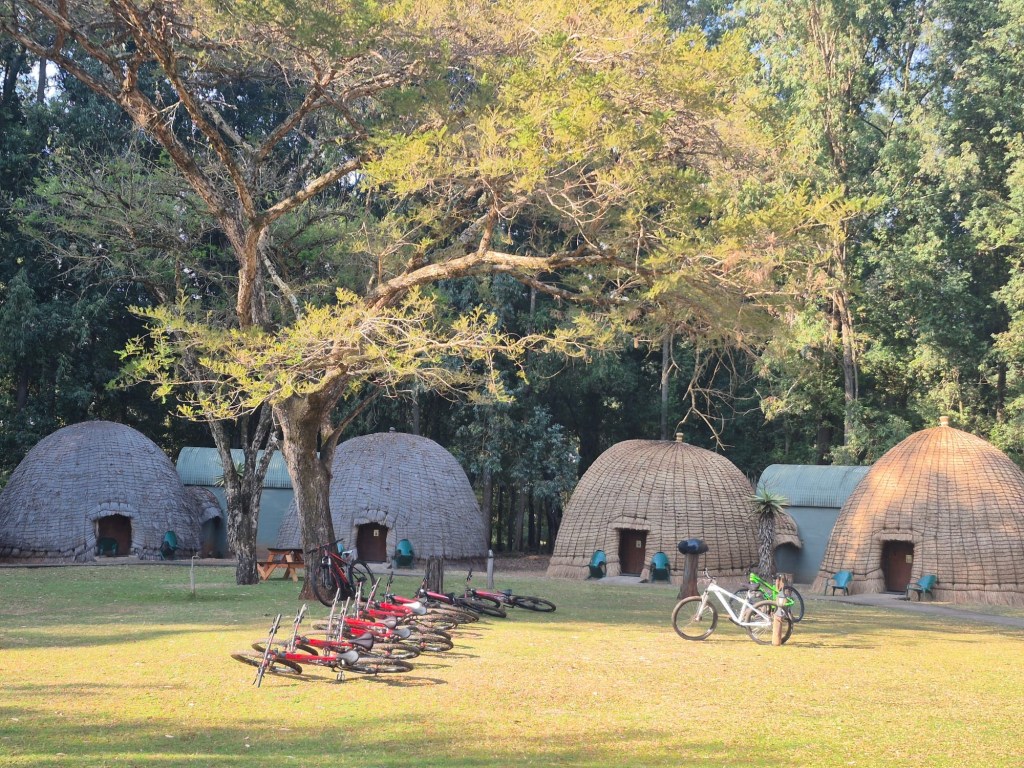
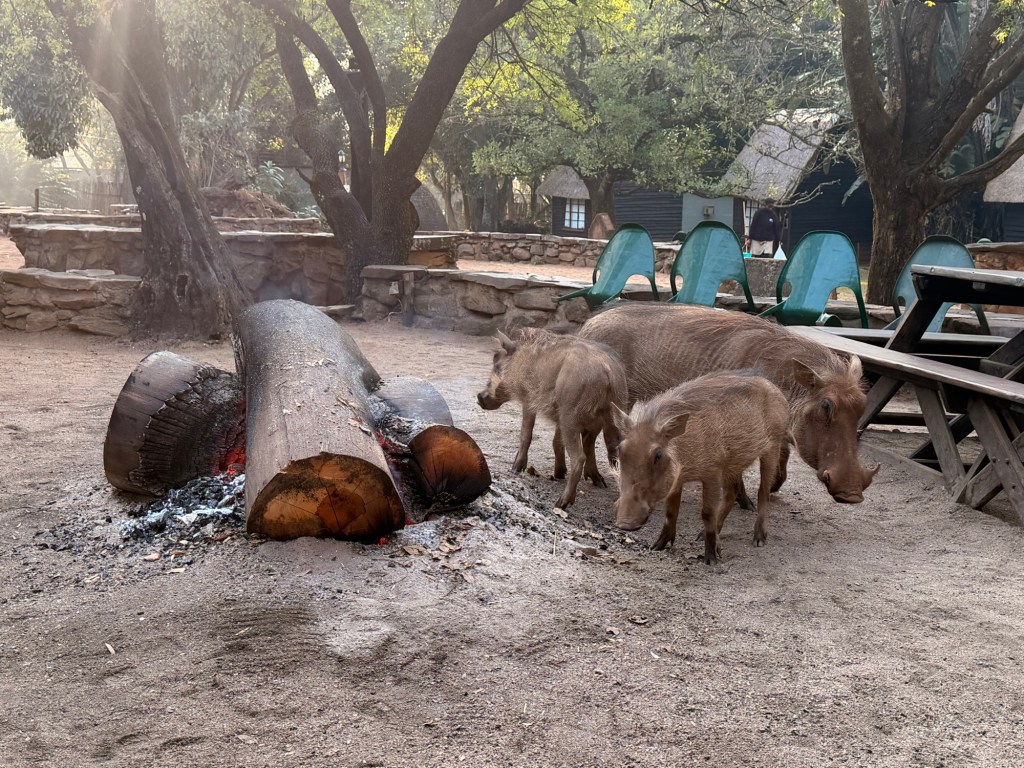
Animals roam around the camp, and you quickly get used to keeping an eye out to see what’s wandering past.
We cycled through the reserve itself, following dirt roads and trails with the possibility of wildlife appearing at any point. It’s important to be respectful of the animals and there space. But on a bike you’re not too loud or too large so can comfortably watch and enjoy the animals.
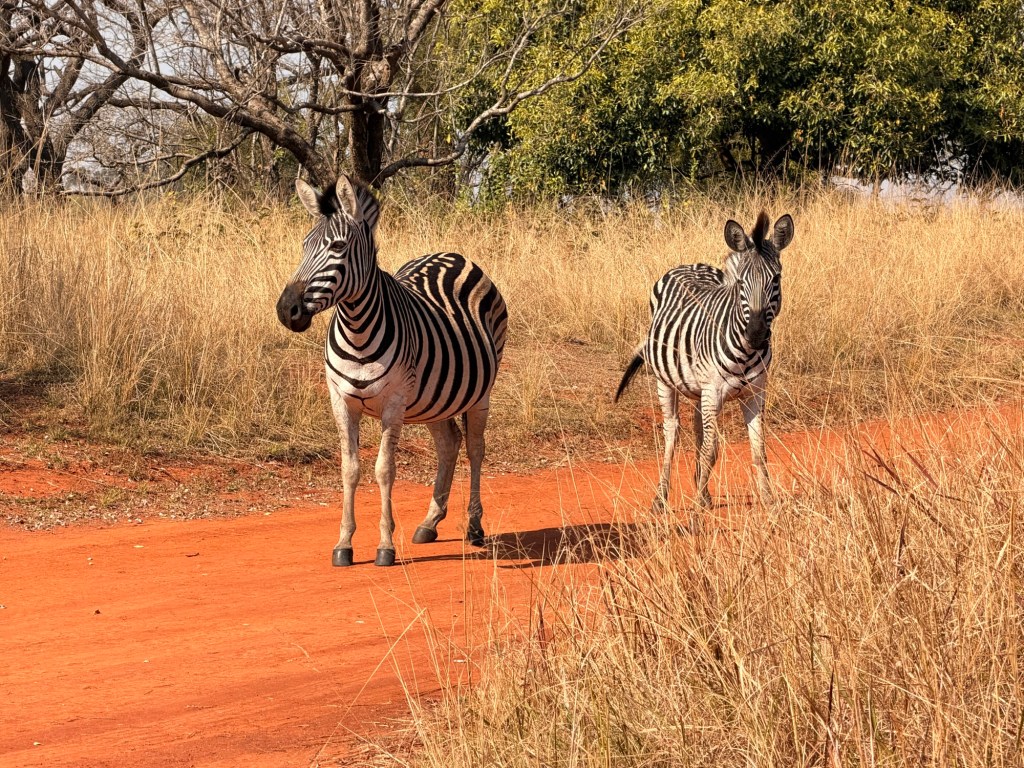
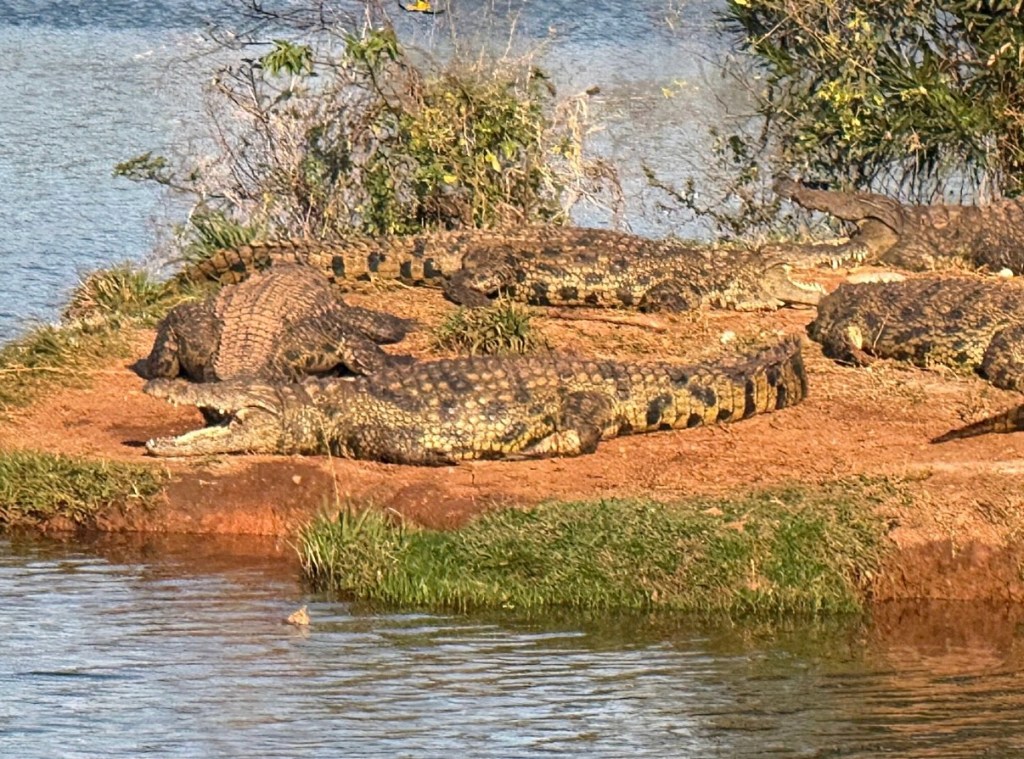
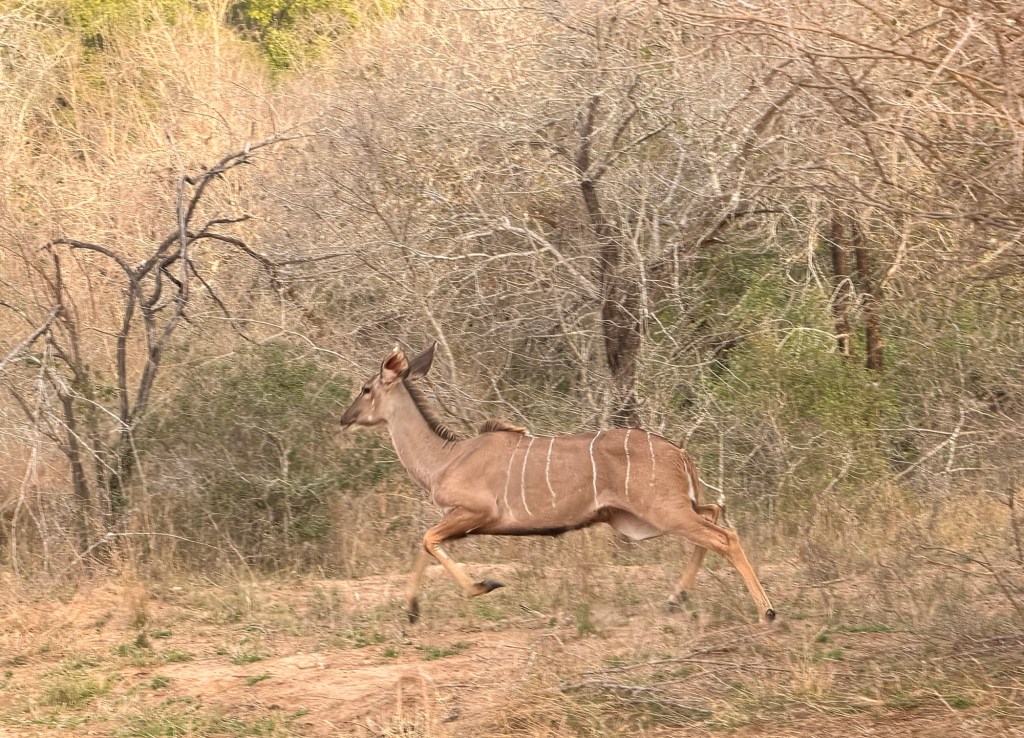
We saw plenty of animals including zebra, impala, warthogs, nyala and crocodiles and there were opportunities to stop for photographs along the way.
One of my favourite things about Mlilwane was the atmosphere in the evening. After dinner there was a lovely campfire, and we also had the chance to experience traditional Swazi dancing and a cultural show.
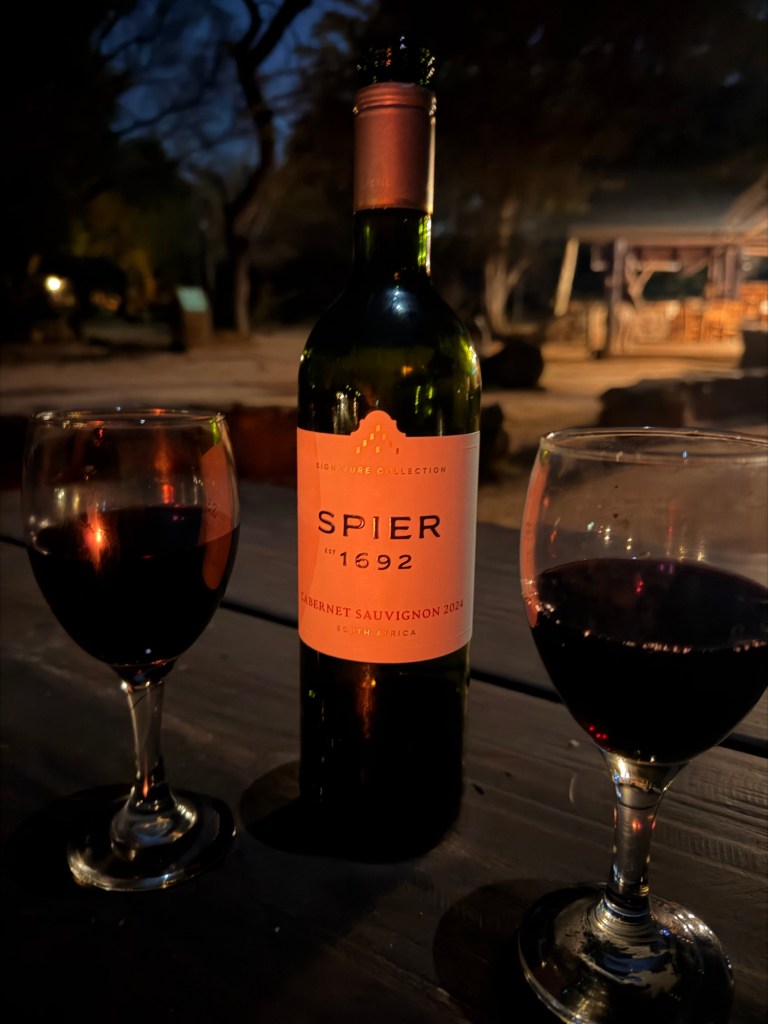
It was one of those evenings where you sit outside in the darkness and realise you’re a very long way from home, and there is an amazing world out there.
Then came Mkhaya…
Mkhaya Game Reserve
If I had to choose my favourite part of the whole trip, it would be Mkhaya Game Reserve.
There was something completely different about staying here. Mkhaya isn’t about luxury in the conventional sense. It’s about being immersed in the bush.
Our accommodation was in beautiful stone cottages with no walls on the sides, so you were effectively sleeping in the middle of the reserve.
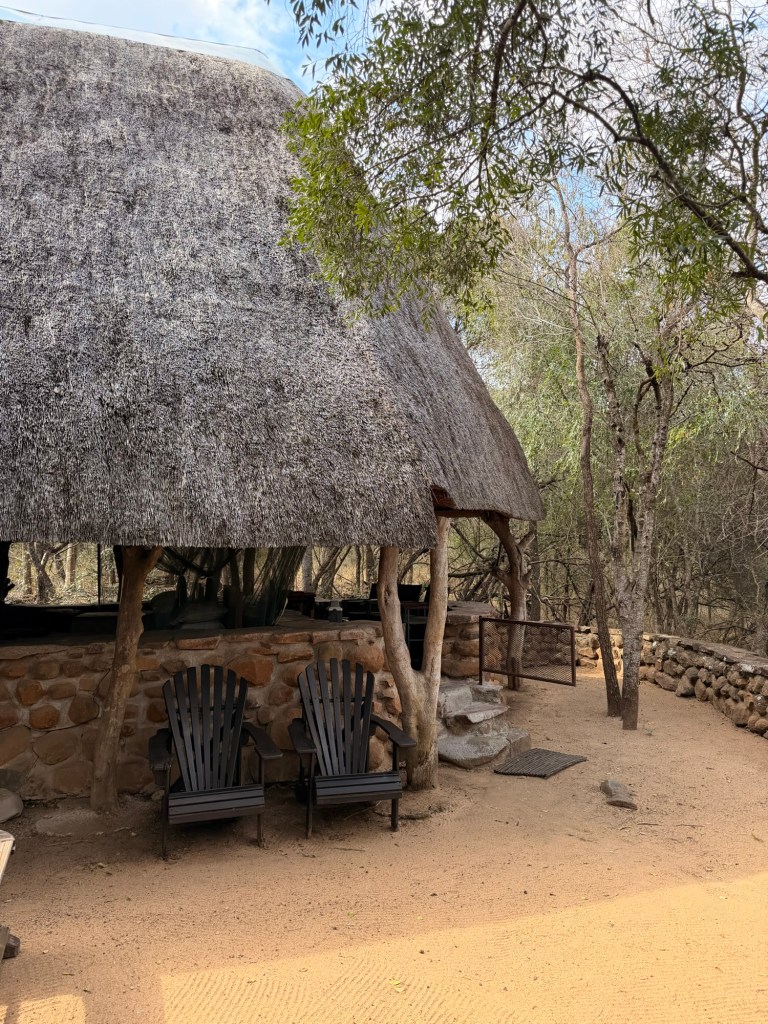
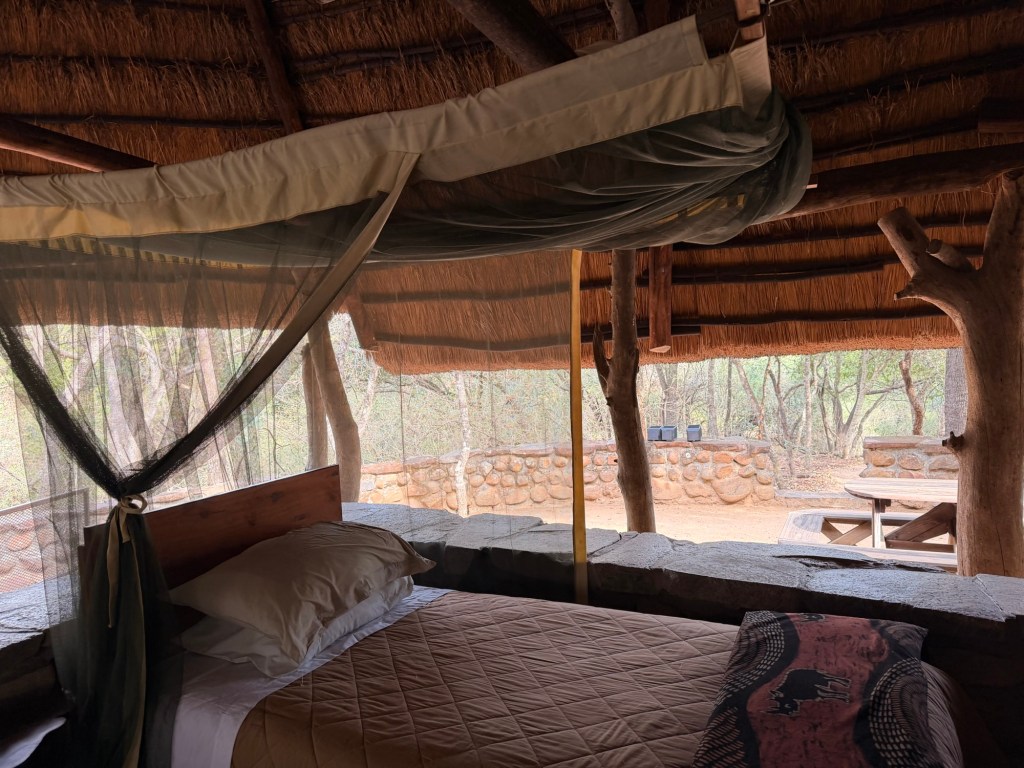
There was no electricity in the accommodation either. Instead, our rooms were lit with paraffin and solar lamps, while the main base camp and communal areas where we ate had electricity.
And yet, despite being so wonderfully basic, the cottages were comfortable. We had proper beds with mosquito nets, a modern toilet and a working shower.
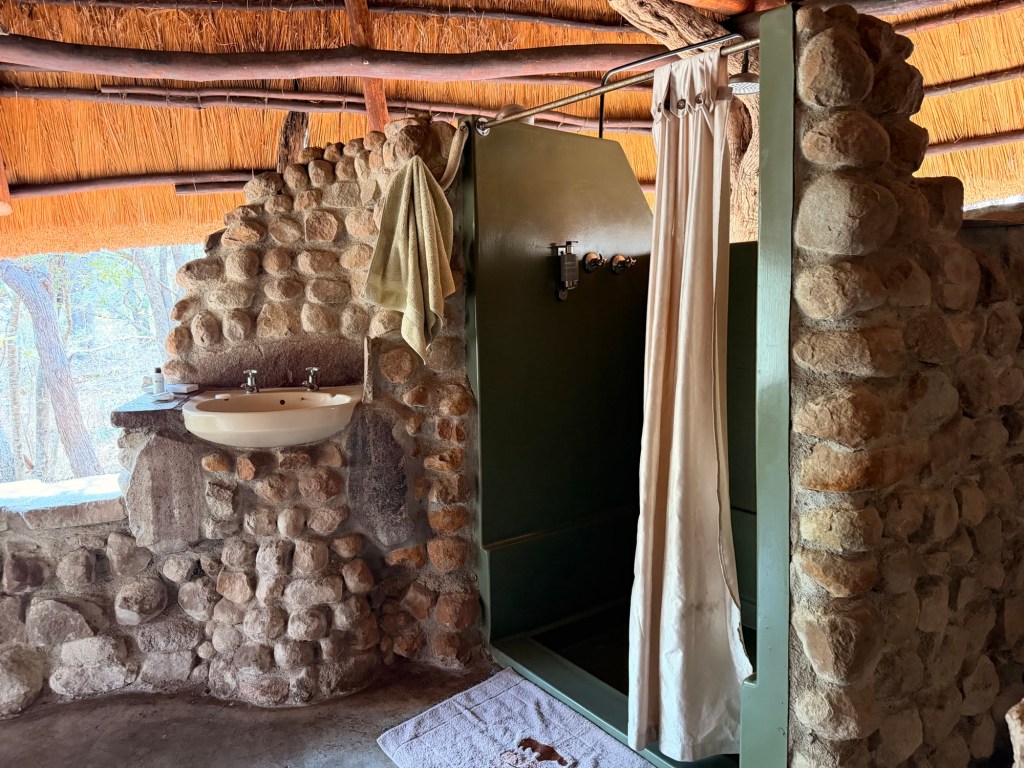
There was even a little gate to keep the hyenas out. You also quickly learnt that food needed to be kept safely shut away. Leave snacks lying around and the baboons would happily help themselves. Not just snacks either, anything of interest. Leave your sunglasses around too long and you may see a baboon running off wearing them!
Wildlife at Mkhaya
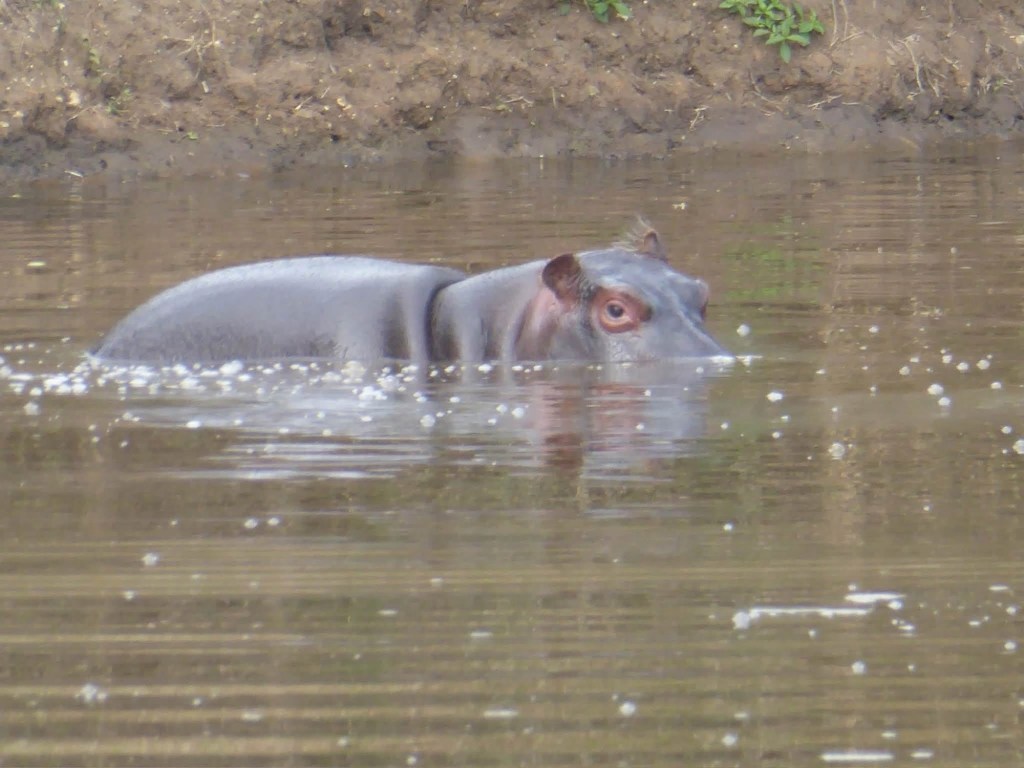
Mkhaya is famous for its rhinos, and seeing them here was incredible.
We had the opportunity to explore the reserve by open Land Rover and on foot with our guides, getting much closer to the wildlife than you would on a typical safari. We had the whole park to ourselves too, just our group split across two jeeps. Its a huge wildlife reserve to be so private.
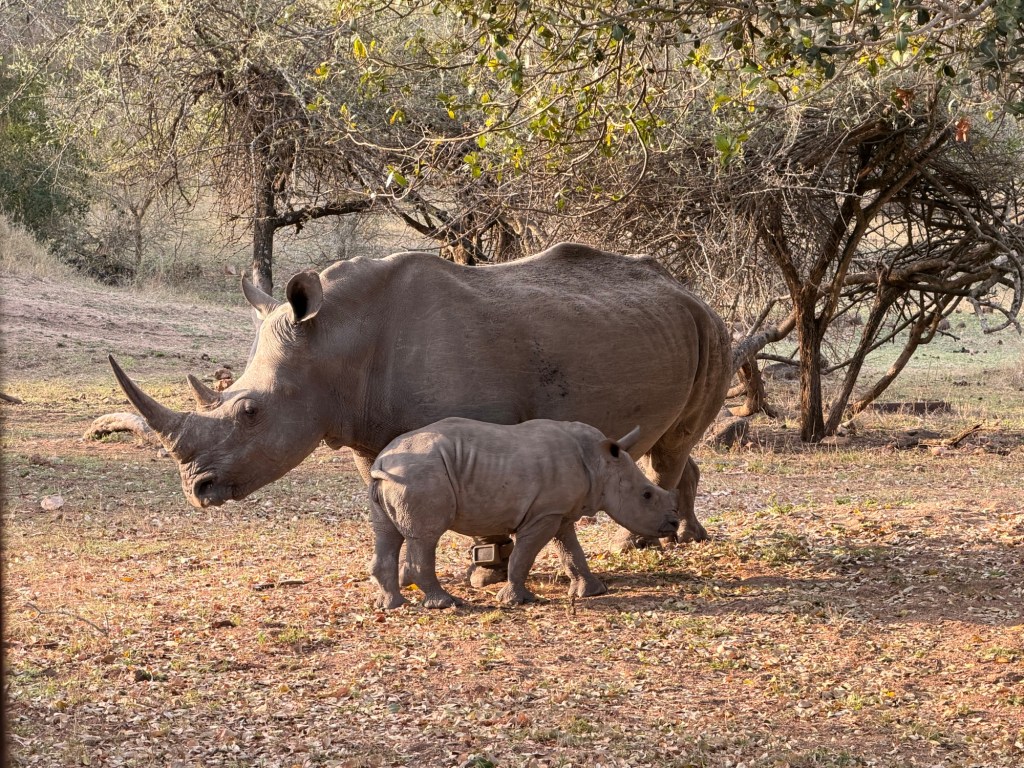
The guides were brilliant. Their knowledge of the animals and the bush made the experience so much more than simply driving around hoping to spot something.
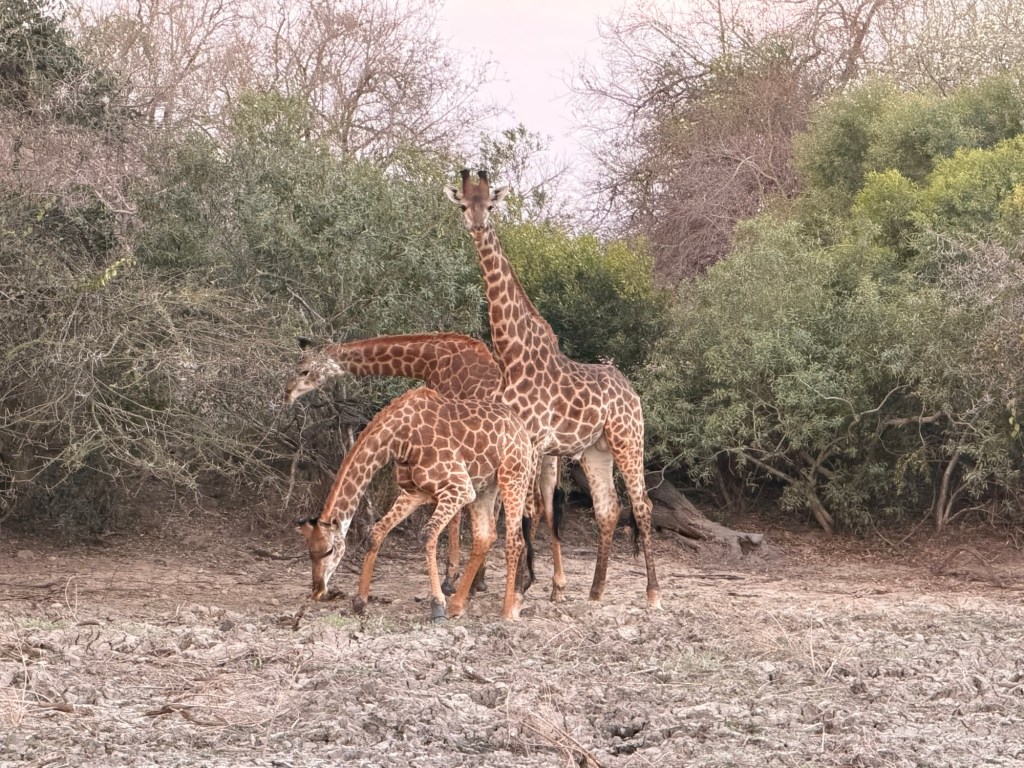
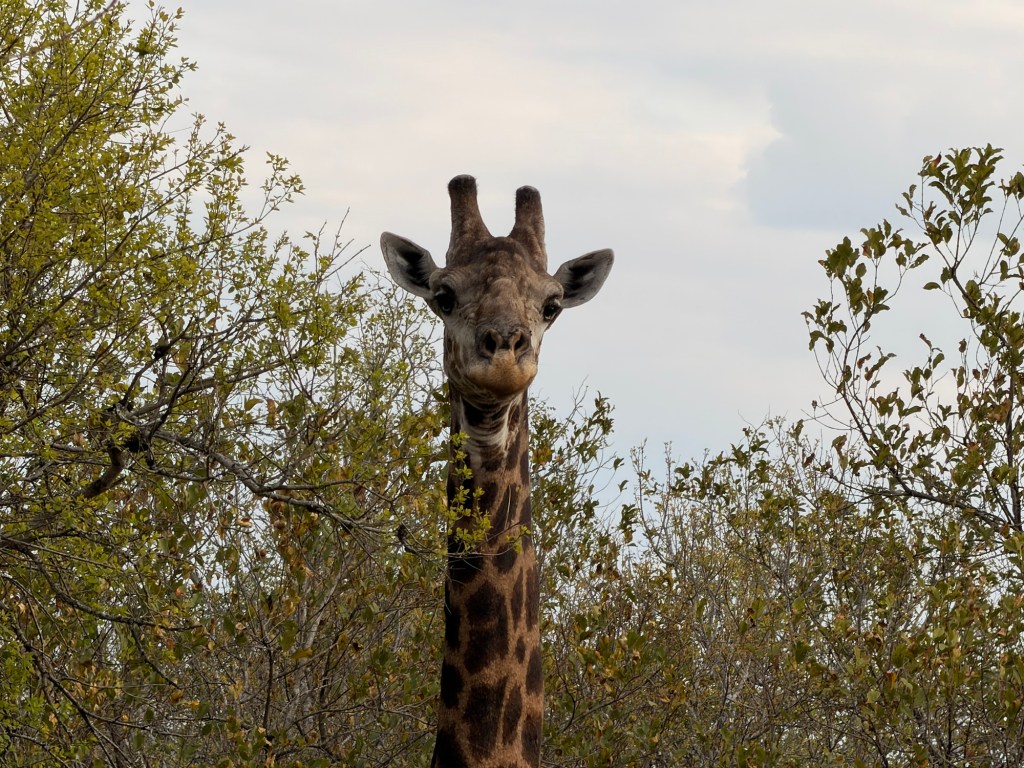
We saw several rhinos, as well as hippos, giraffe, nyala, impala and other wildlife, and being out in such an open environment made every sighting feel special.
But it was the whole experience of Mkhaya that made it stand out for me.
At night, you’re lying in bed with the sides of your room open to the bush. There’s no television, no bright lights and no electricity buzzing away in the background.
Instead, you hear the sounds of Africa around you. Including the hyenas screaming. Its a really special experience.
The central dining area was underneath a huge old sausage tree, and we ate together there in the evenings.
It’s difficult to describe quite how special it feels to sit down for dinner under a tree in the middle of a game reserve, knowing that the darkness beyond the dining area is full of wildlife.
Mkhaya was one of those places that I knew I’d remember long after I’d gone home.
Mbuluzi Game Reserve
From Mkhaya we continued east towards Mbuluzi Game Reserve. Into the Lowveld.
By now the landscape had changed again, with warmer temperatures and a very different feel from the mountains we’d started in.
We stayed in varying accomodation within the reserve. Whilst some of the group were in comfortable tents and some in chalets with electricity, we lucked out with a relatively new house, that won awards for its design! Featuring its own pool, bbq, terrace, view of the river as well as both indoor and outdoor bathrooms. Fair to say this exceeded expectations!
You normally do all your own cooking here, though Cameron our lovely leader from Escape tours had organised our own personal chef. So once again we had a delicious feast to choose from. And some wine we picked up at the supermarket on the way to see us through a couple of nights here.
We were still firmly in the wildlife environment. We cycled through the reserve on jeep tracks and singletrack, keeping an eye out for animals as we went. It’s quite surreal cycling through somewhere where you know wildlife is around you.
We also cycled through the sugar cane towards the Tambankulu sugar cane estate. Finishing with an interesting exhibition full of local history.
This was another reminder of how varied Eswatini is. We weren’t just cycling through wildlife reserves. The route took us through forest trails, dirt roads and agricultural areas, giving us a glimpse of another important part of life in the country.
After days of forests and game reserves, riding through the sugar cane plantations was a completely different experience.
And then it was time for our final stop.
Hlane Royal National Park
We finished the trip at Hlane Royal National Park, home to some of the largest concentrations of game in Eswatini.
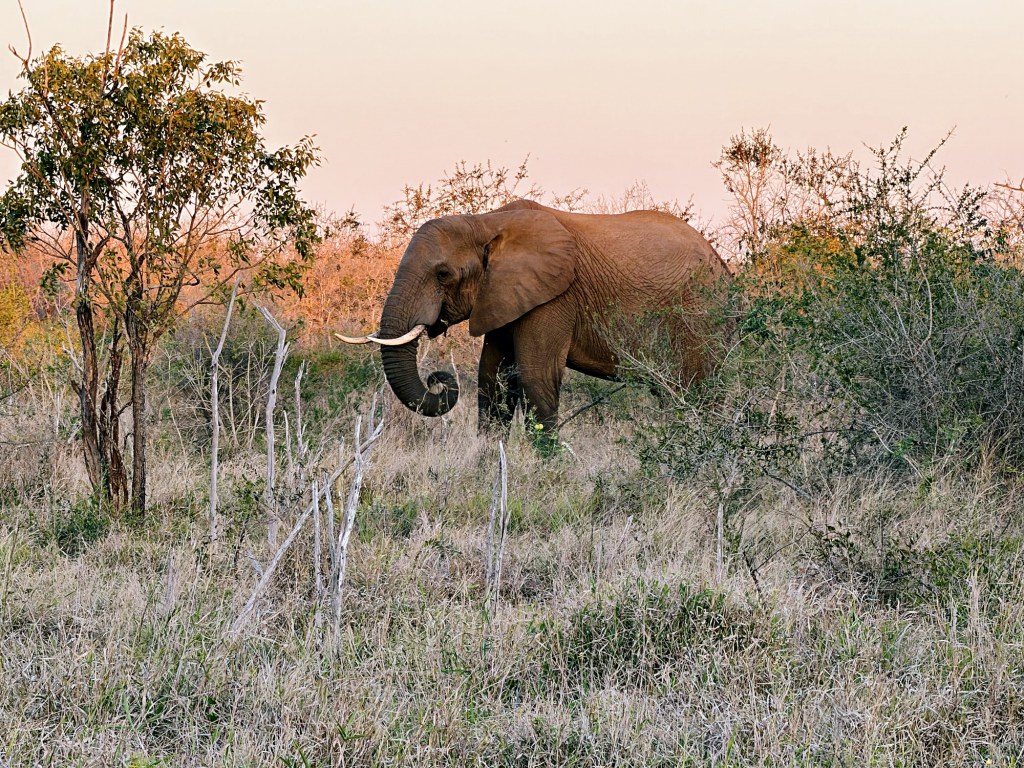
Once again, our accommodation was wonderfully rustic. We stayed in thatched beehive-style lodges with four-poster beds, and there was no conventional electricity – just paraffin lamps and a candle.
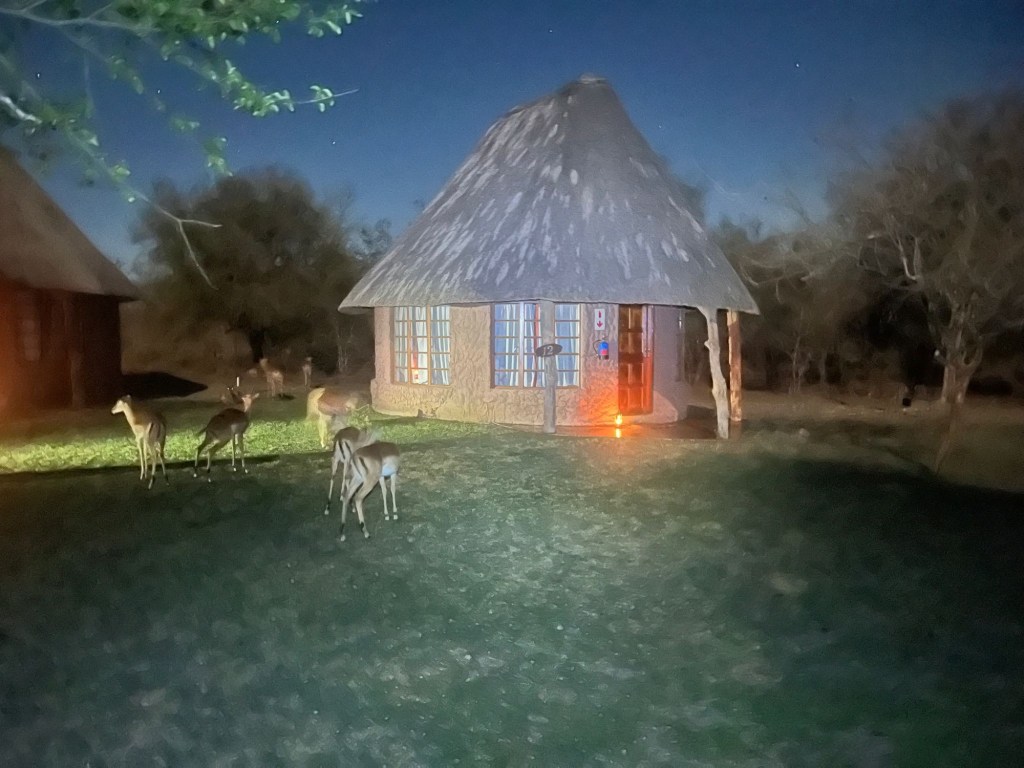
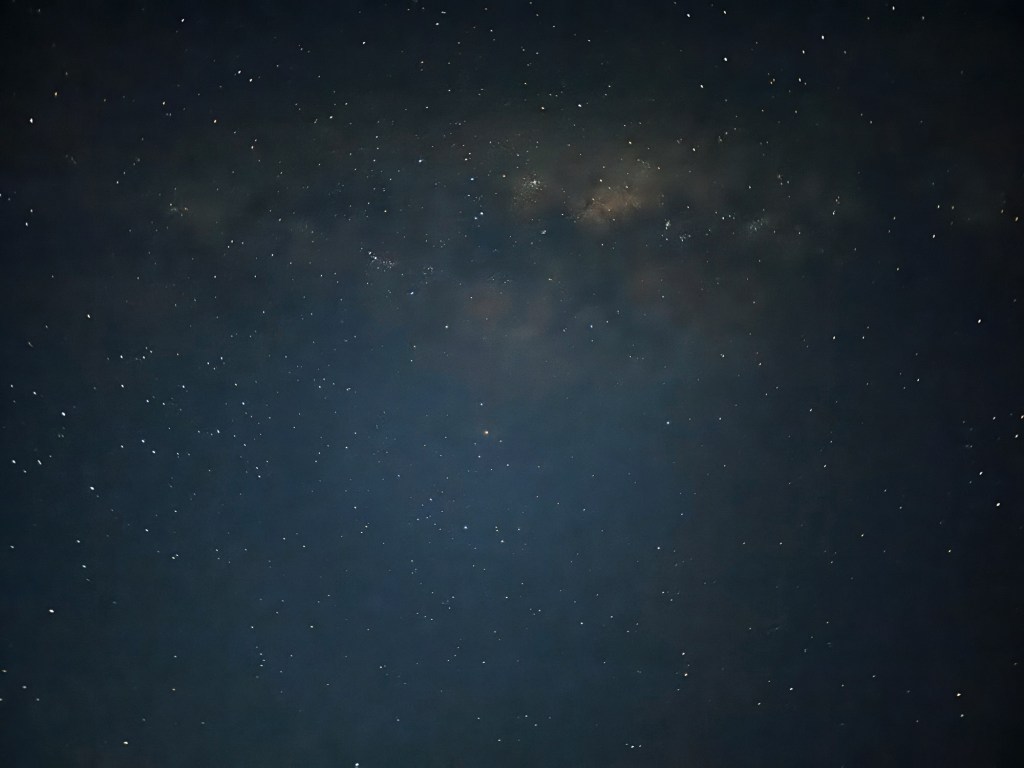
After dark, the atmosphere was fantastic. As was the view of the stars. Living in London with all the uplight I am always in awe when I look up in places like this.
We had the chance to see elephants and lions, and the evening game drive gave us one final opportunity to experience the wildlife before the long journey back towards Johannesburg.
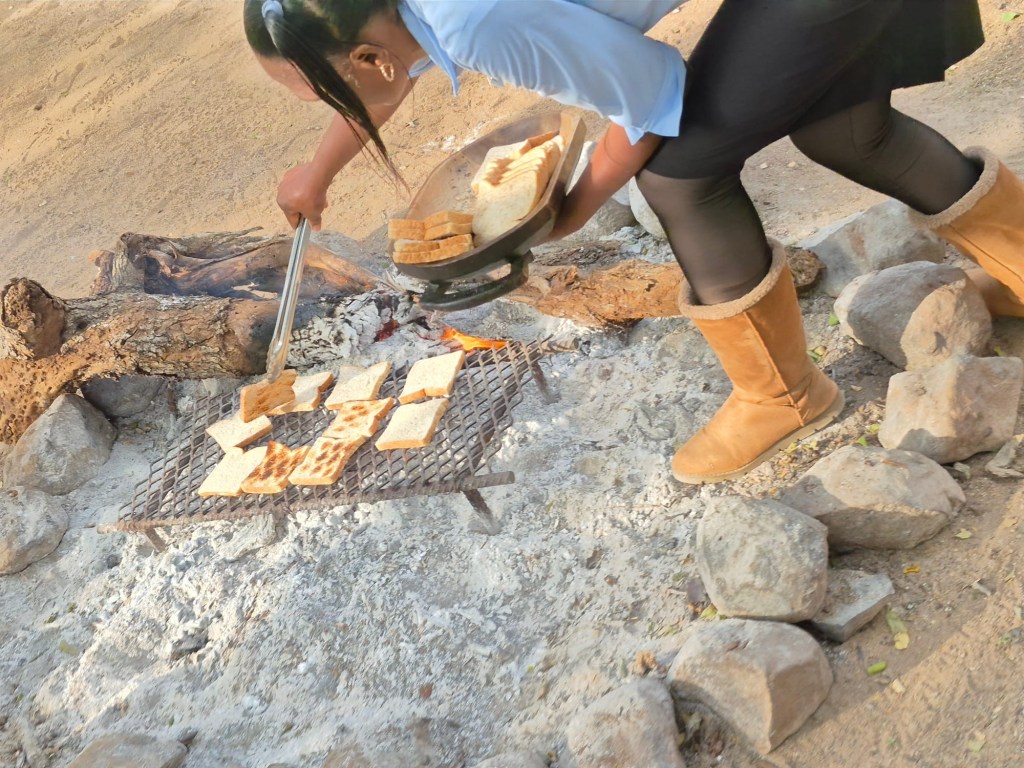
The real star of Hlane was the watering hole. Our restaurant looked straight out over it, so wildlife watching didn’t necessarily require a game drive. You could simply sit down for lunch or breakfast and look across the water. Before breakfast two rhinos calmly approached us and it really is a mesmerizing experience.
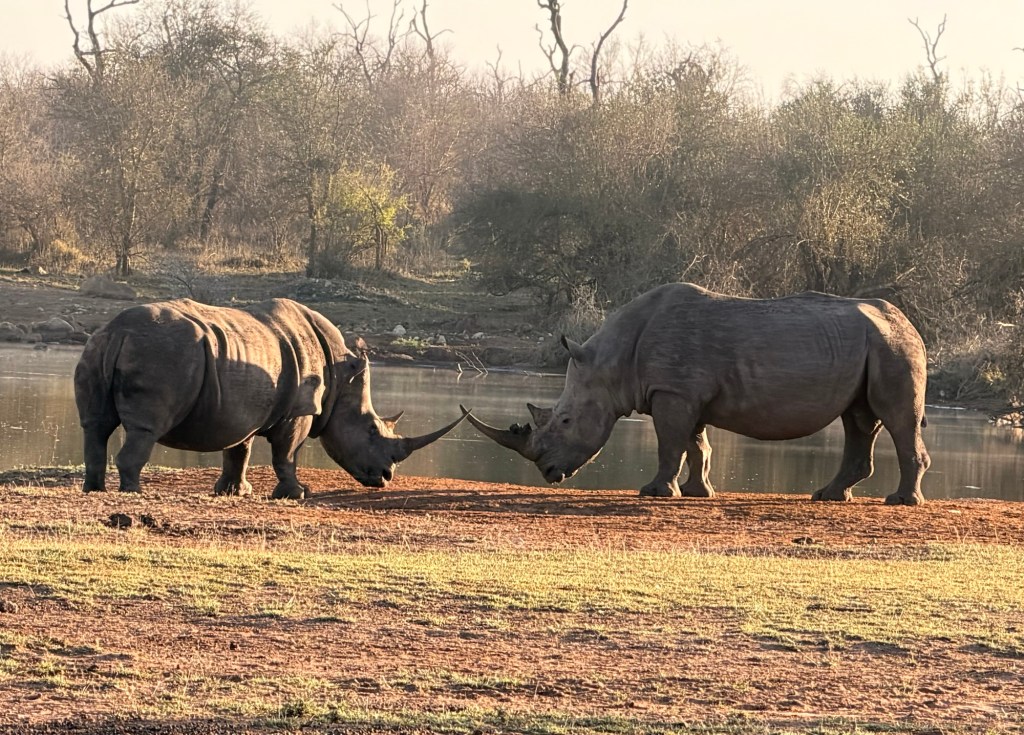
It doesn’t get much better than that. Not a bad way to finish a trip.
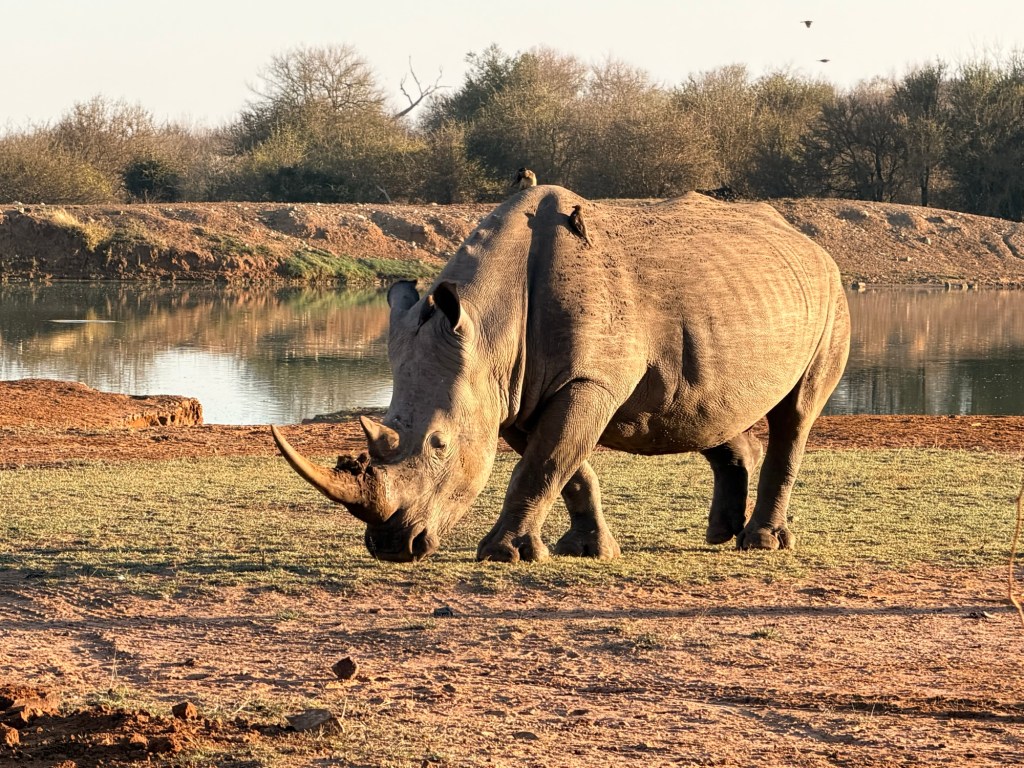
For me, one of the things I love about a cycling holiday is the way you experience the country in a different way. You’re actually riding through the landscape, mixing with the locals, noticing things you wouldn’t see from a car or a bus. What’s special about this trip is that it also provides a way of travelling through Eswatini that allows you to get so close to wildlife.
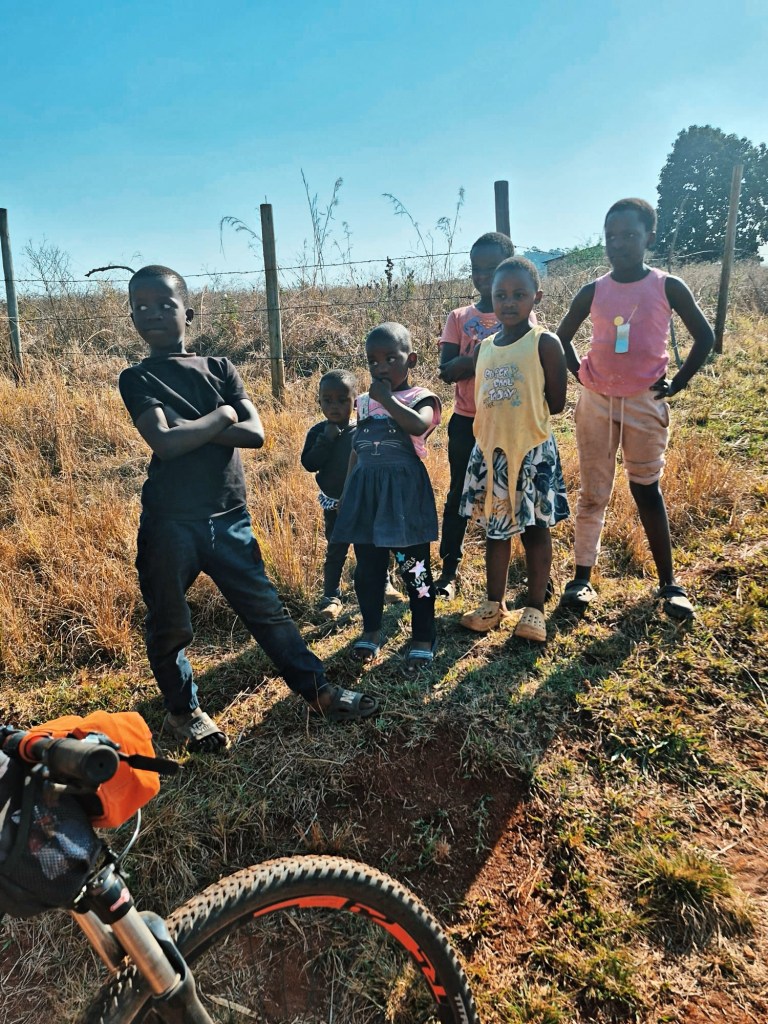
Eswatini – little in size, but a country with so much to offer – its punching well above its weight!
We cycled through it rather than simply travelling between it, which made the journey feel much more connected to the landscape.
We had stunning scenery, mountains, forests, valleys, waterfalls, villages, agricultural land and huge wildlife reserves.
And then there was the wildlife.
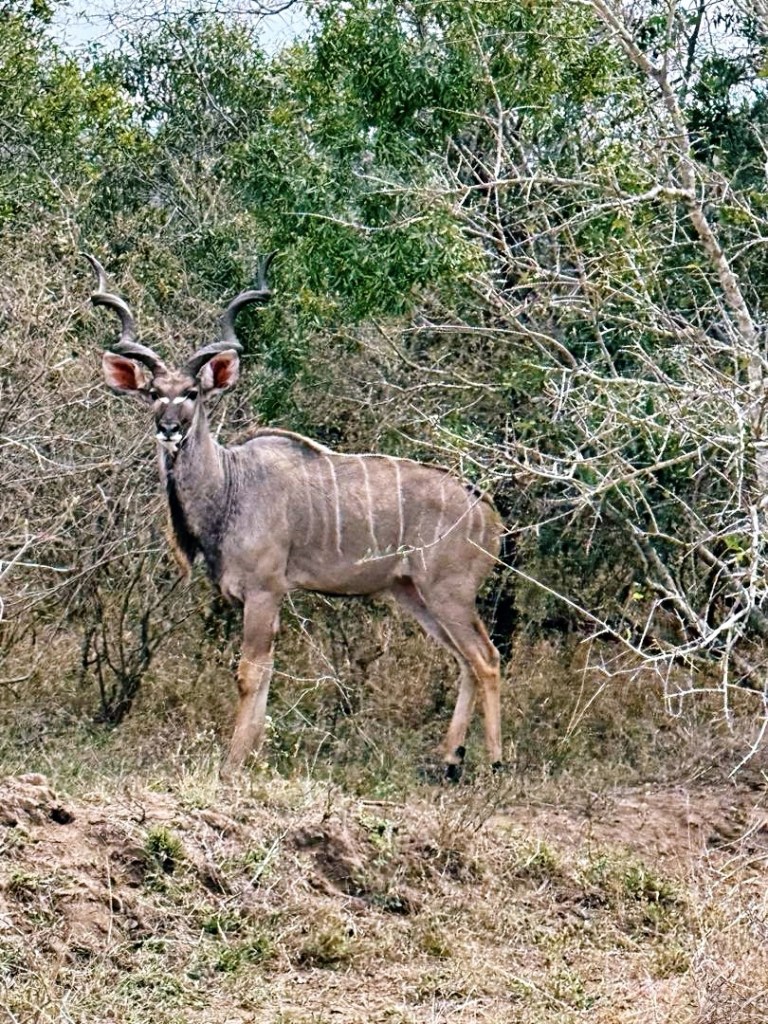
Rhinos. Elephants. Giraffe. Lions. Nyala. Impala. Zebras. Warthogs. Crocodiles.
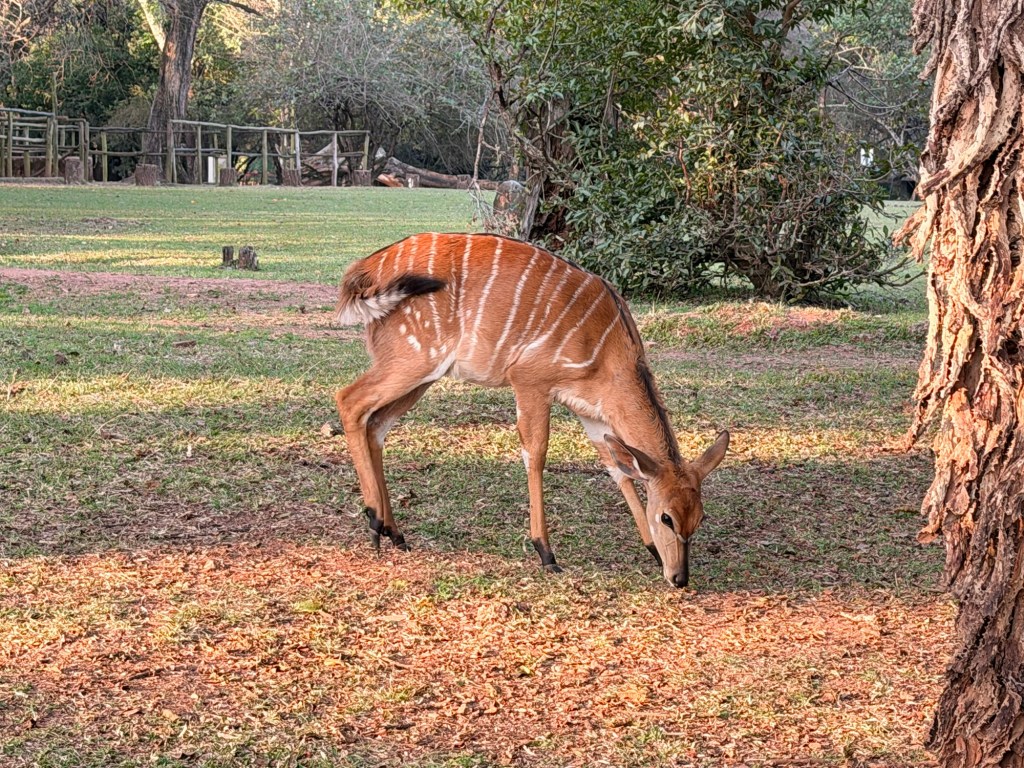
There were so many memorable sightings that by the end of the trip it almost became normal to see an animal while having breakfast or cycling down a track – although I’m not sure you ever really get used to seeing a rhino!
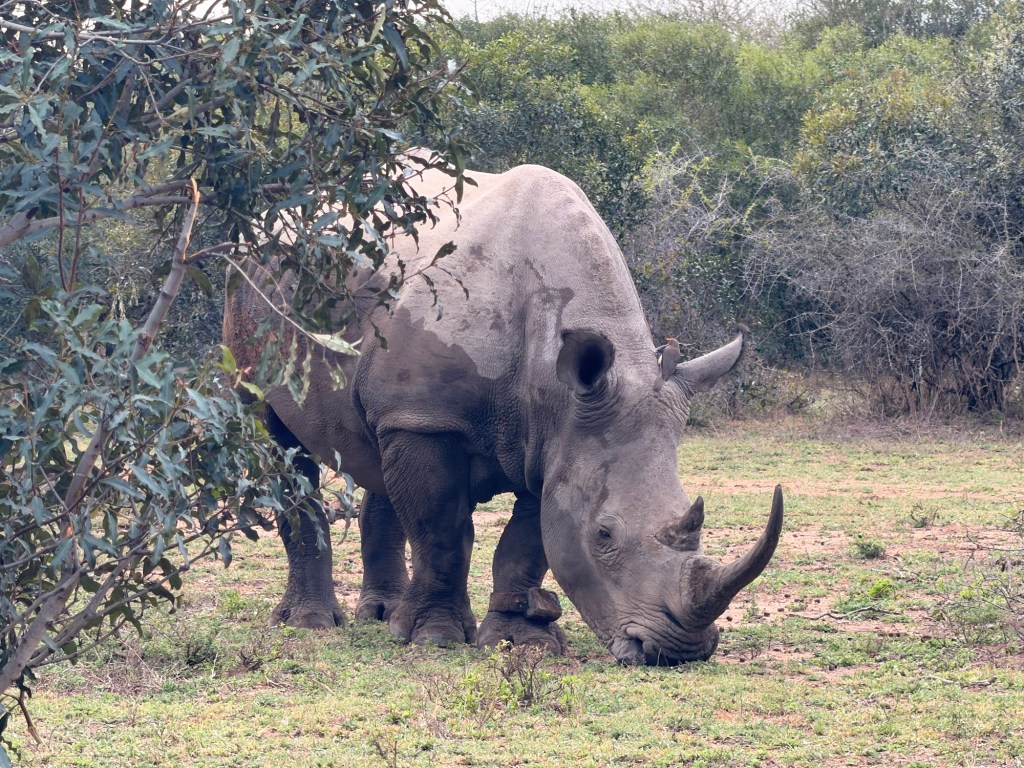
For me, though, Mkhaya was the highlight.
There’s something very special about staying somewhere that strips everything back. No electricity in the room, no walls on one side, a mosquito net over the bed and the sounds of the bush outside. It was comfortable, but it still felt wild.
And that’s probably the best way to sum up Eswatini. It felt like an adventure. Not just a safari. Not just a cycling holiday. And not just a trip through another country. It was a bit of all three – with some seriously good wildlife thrown in.
I’d arrived in Eswatini expecting a good cycling trip with some safari experiences along the way. Fair to say it surpassed expectations in every way.
A few tips
🔦 Take a torch or headtorch
🦟 Take mosquito repellent
📷 You’ll want your camera close by
I found my iPhone more than adequate for a lot of the trip, although a proper camera with a decent zoom would obviously be useful for wildlife photography.
Final words: Eswatini isn’t just somewhere I went on safari. It’s somewhere I actually travelled through – on two wheels.